Most of Africa’s biggest problems won’t be solved by hope alone. They’ll be solved by people willing to build.
That was the spirit behind the Miva AI Hackathon 2026, where students from across Nigeria came together for three days to turn bold ideas into practical AI solutions. Guided by this year’s theme, AI for Africa’s Real Challenges, participants tackled problems that affect millions every day, from access to healthcare and food security to career development and agricultural productivity.
The event wasn’t simply about writing code or training AI models. It was about understanding people. Finding meaningful problems. Building solutions that could create real impact.
Over three days, participants attended a keynote session, learnt from industry experts, worked alongside mentors, refined their ideas through multiple build sprints, and finally presented their solutions before a panel of judges. Every stage challenged them to think bigger than technology and focus on creating products that people would genuinely use.
In This Post
A Challenge Bigger than Technology
The Miva AI Hackathon 2026 opened with a challenge that set the tone for everything that followed.
Artificial intelligence is changing the world, but Africa needs builders who understand its realities.
In his keynote address, Dr Obadare Peter Adewale, founder and Chief Visionary Officer of Digital Encode and professor of practice at Miva Open University, encouraged participants to stop seeing AI as only a productivity tool. Instead, he challenged them to build solutions for critical problems.
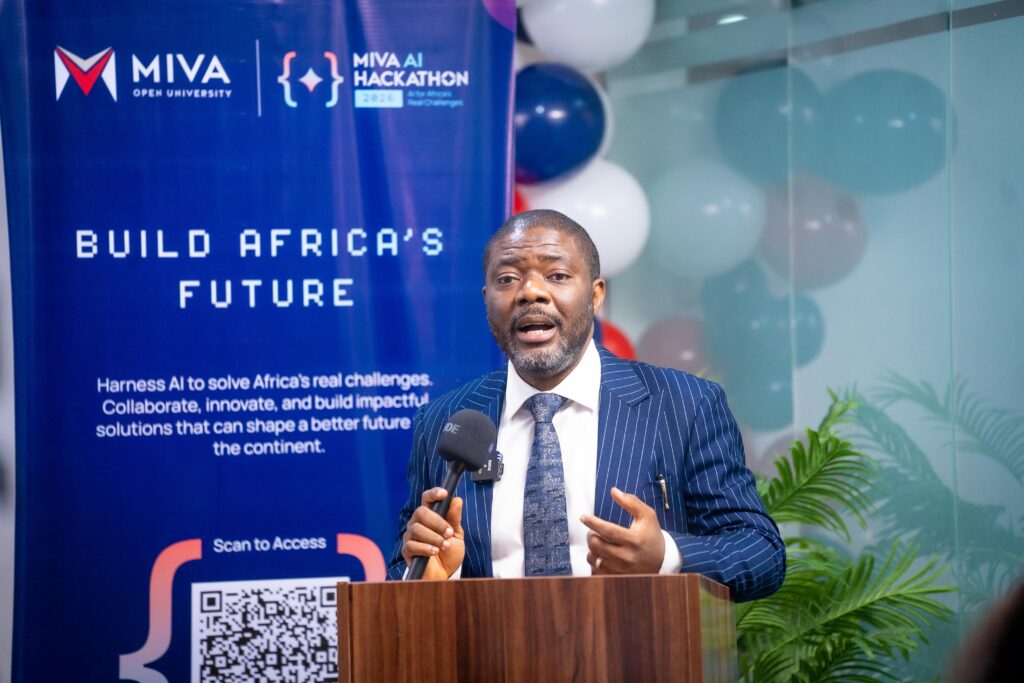
“When you’re thinking about what you need to build, think about what is dangerous, what is dull, what is dirty, and what is difficult.
“We have started with the hackathon, but guess what? We can introduce an AI-lympics—an AI startup competition in Africa—to really bring about the next generation of innovation. Because we start to attract innovators from across.”
Drawing from years of experience in technology and innovation, he pointed participants towards sectors where AI can make the greatest difference. Agriculture. Healthcare. Finance. Transportation. Manufacturing. Energy.
He explained that these industries present enormous opportunities for African innovators who are willing to solve practical problems rather than chase trends.
Dr Adewale also reminded participants that successful AI begins with good data. No matter how sophisticated a model becomes, poor-quality data almost always produces poor outcomes.
“You need to understand the structure of AI capabilities. Data is very important to AI. Data is king. And I used to say, when data is king, of course, training data is also king.”
He urged participants to think carefully about the information their systems rely on and to build trustworthy AI that values fairness, transparency, accountability, privacy, and security.
Looking beyond technology, he reflected on lessons from innovation ecosystems such as Silicon Valley and Israel. Strong ideas flourish when talent, research, infrastructure, and industry partnerships come together. His message was clear: Nigeria has the talent. The opportunity is now.
Preparing for an AI-powered Future
The conversation continued during a fireside chat between David Timis, AI policy expert, and Udochi Obiukwu, Chief Academic Officer at the uLesson Group.
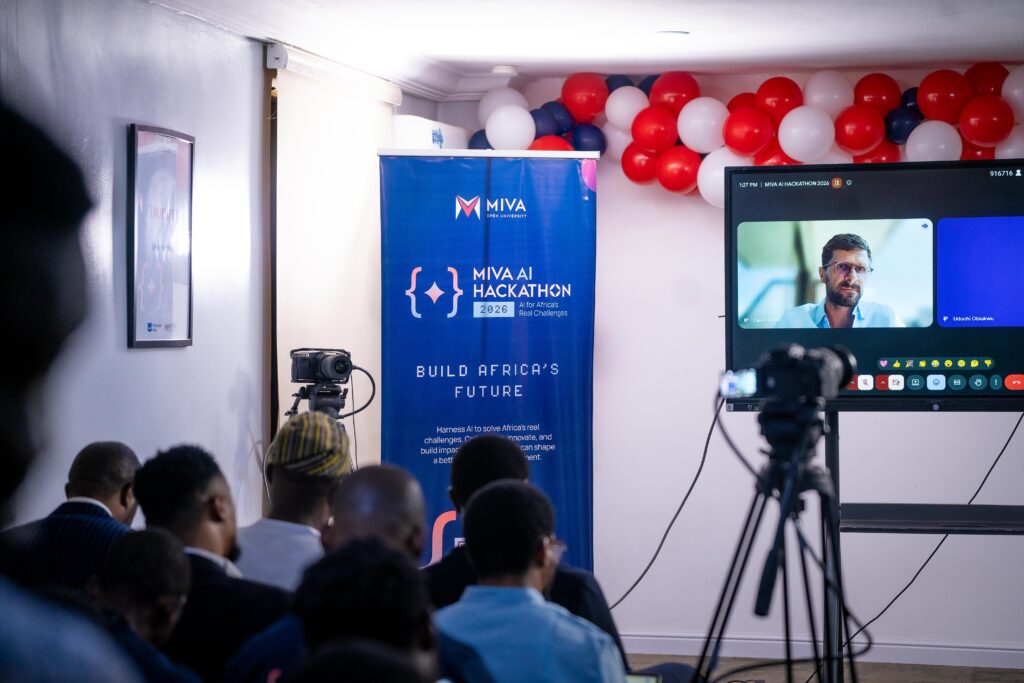
Rather than focusing on hype, the discussion centred on a question many people are asking.
What does AI mean for the future of work?
Timis acknowledged that concerns about job displacement are real. Some industries are already changing rapidly because of artificial intelligence. But he argued that fear should become preparation, not paralysis.
He said, “It’s important to use these moments of transition, while we still have time, to position ourselves as individuals and as a society on the path that would better insulate both individuals and society from the more negative scenarios that you hear about in the media or read in the press.”
Instead of trying to predict every change that AI will bring, individuals should focus on developing skills that remain valuable regardless of how technology evolves. Adaptability, curiosity, and continuous learning will matter more than trying to guess exactly what the future looks like.
The discussion also explored AI’s growing influence on education.
Timis warned that students risk weakening their critical thinking when they allow AI to do all the thinking for them. Research, writing, reflection, and questioning remain essential parts of learning. Artificial intelligence should support those habits, not replace them.
His message was critical for the participants who were preparing to spend the next two days building AI products of their own.
Can AI Solve Africa’s Biggest Challenges?
The panel was moderated by Binta Gali, Senior Manager of the Career Advancement Centre at Miva Open University, and featured Davidson Amedu, CEO of Upportune International; Paul Ehiagbonare, Chief Technology & Innovation Officer at The uLesson Group; Yemisi Ajeojo, Founder of Zenith Social Enterprise Limited; Olaoluwa Adewusi, Communications and Community Manager at NASENI; and Chisom Nwokwu, Software Engineer and Executive-in-Residence (EIR) at Miva Open University. Together, they explored the topic, “Can AI Solve Africa’s Biggest Challenges?”, sharing insights on building practical, locally relevant AI solutions for the continent.
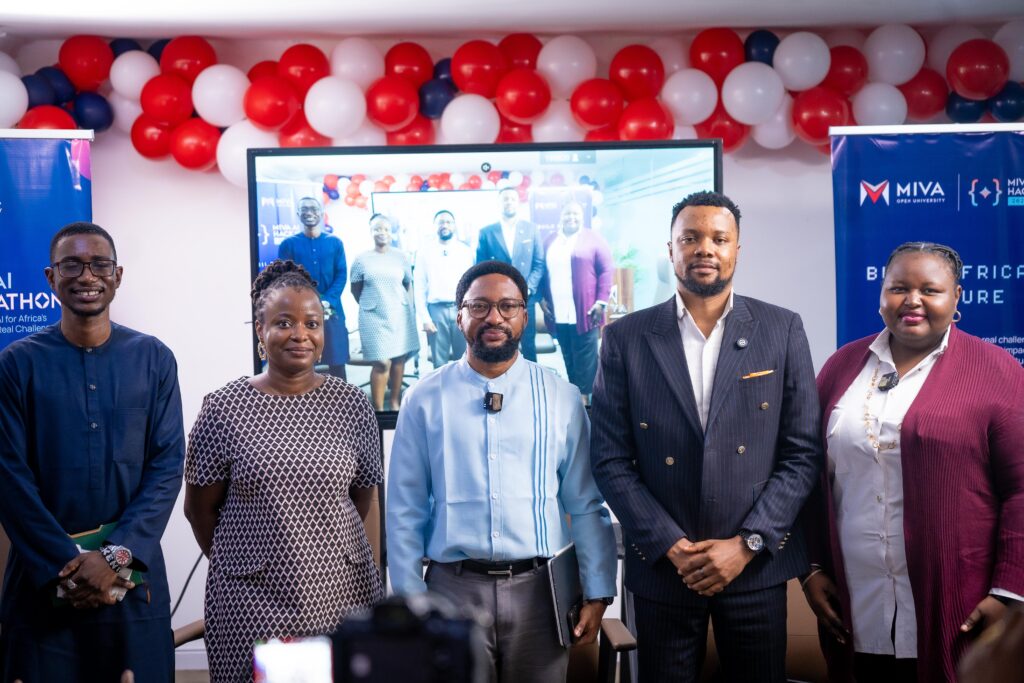
The panel discussion centred on one key message: successful AI solutions start with solving real problems, not using AI simply because it’s a trend. The speakers stressed that founders should first understand the needs of the people they are building for before deciding whether AI is the right tool.
They also highlighted the importance of designing products for Africa’s realities, including limited internet access, infrastructure gaps, and affordability, rather than copying solutions from other regions. Instead of competing to build large AI models, the panel encouraged developers to focus on creating practical applications that address local challenges while investing in better African data infrastructure.
The conversation also explored what it will take for Africa’s AI ecosystem to grow sustainably. The panellists noted that leadership, transparency, and responsible AI use are just as important as funding and technology. They emphasised that AI should enhance human expertise rather than replace critical thinking and warned against overhyping its capabilities or relying on poorly representative datasets.
The discussion concluded with a call for universities to prioritise problem-solving, fieldwork, and AI literacy, ensuring graduates develop solutions rooted in real-world African experiences while meeting global standards.
Three Days of Building Solutions
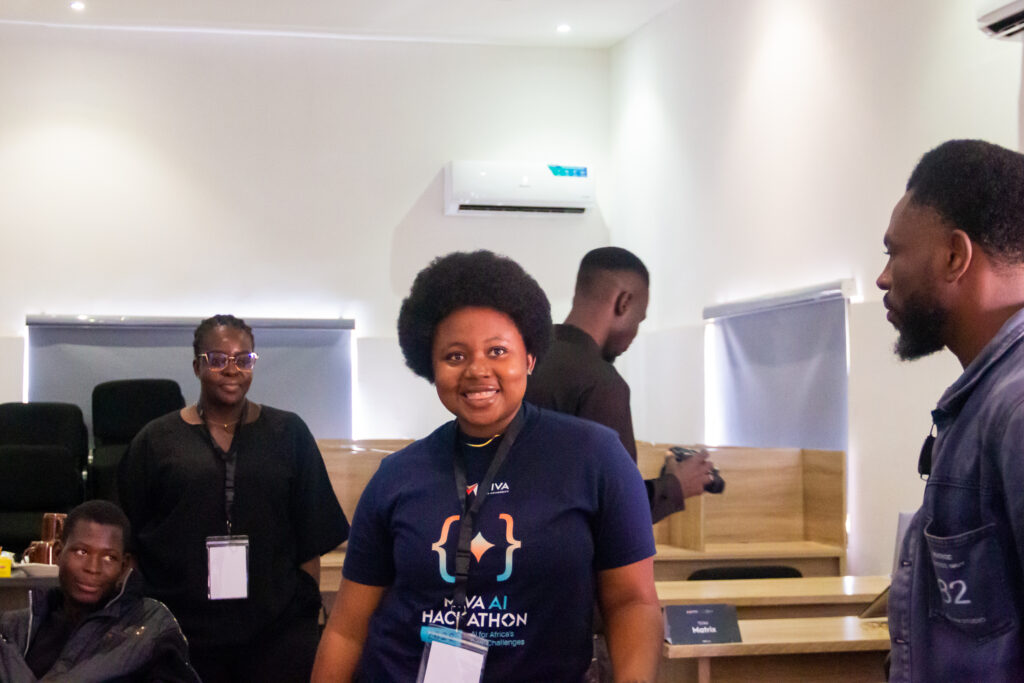
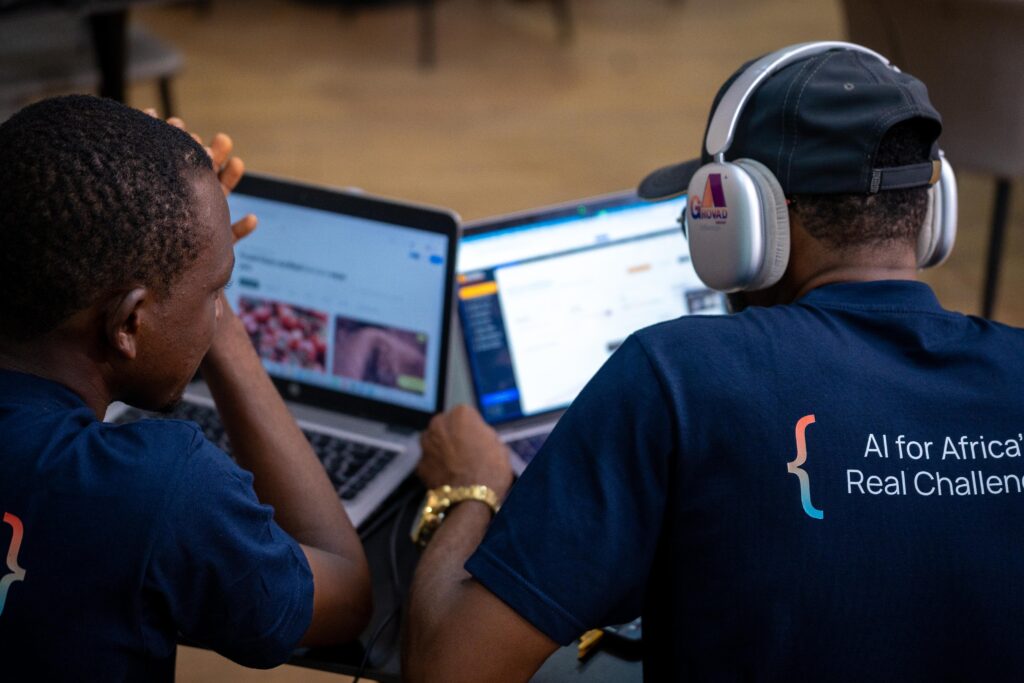
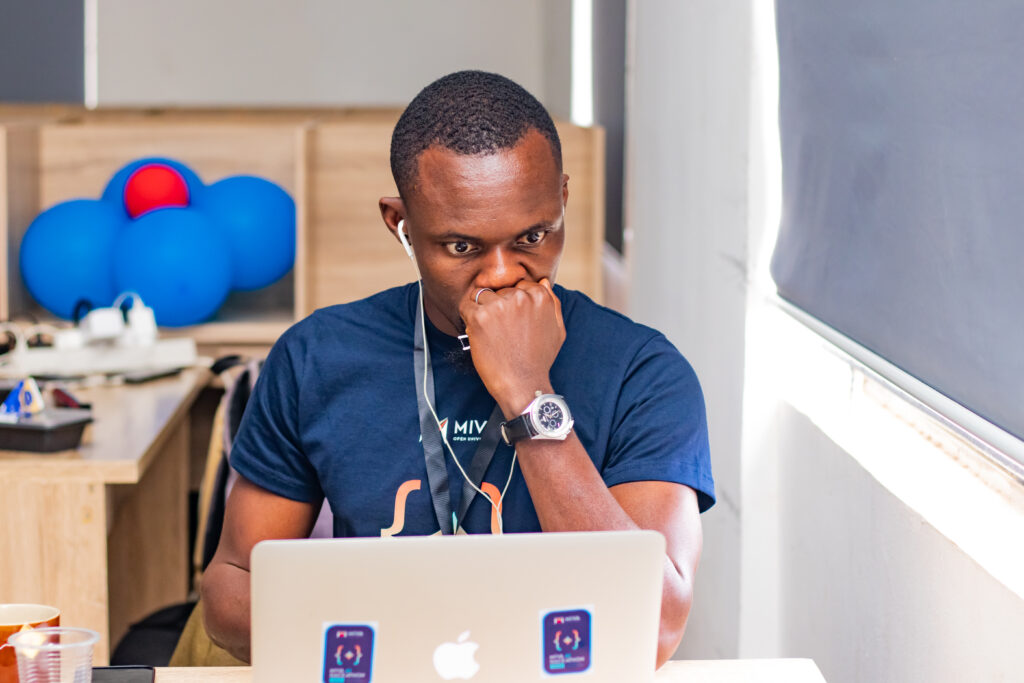
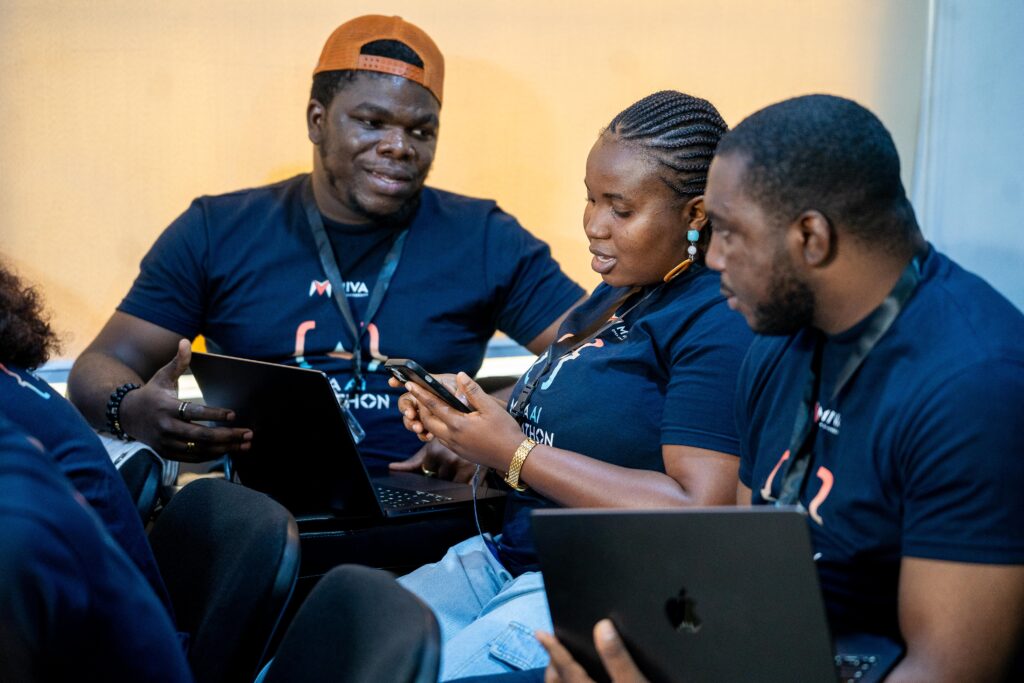
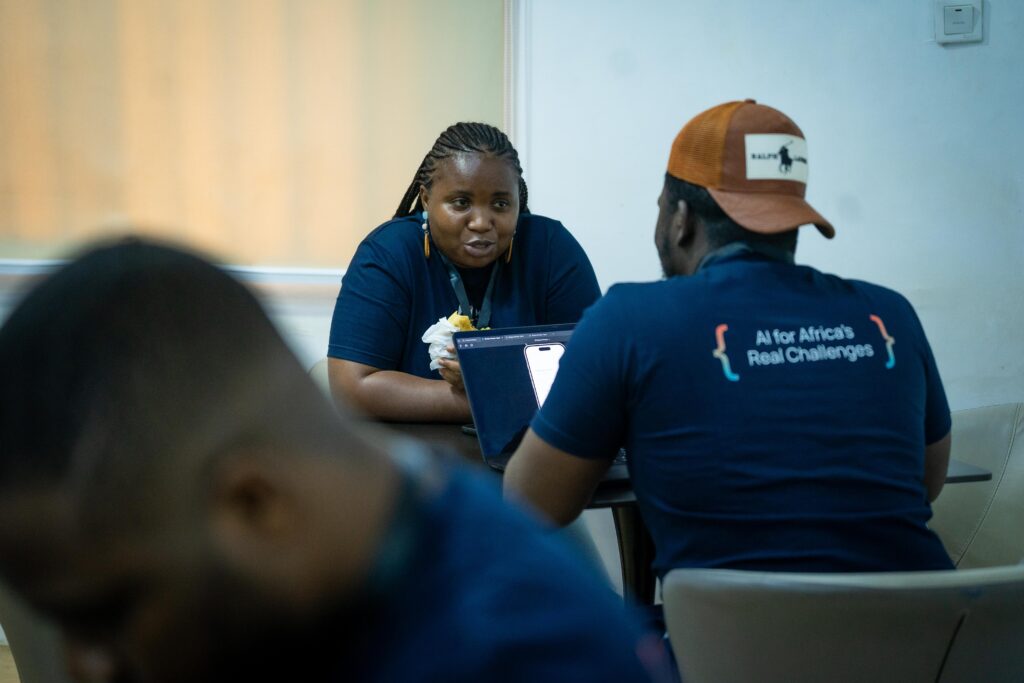
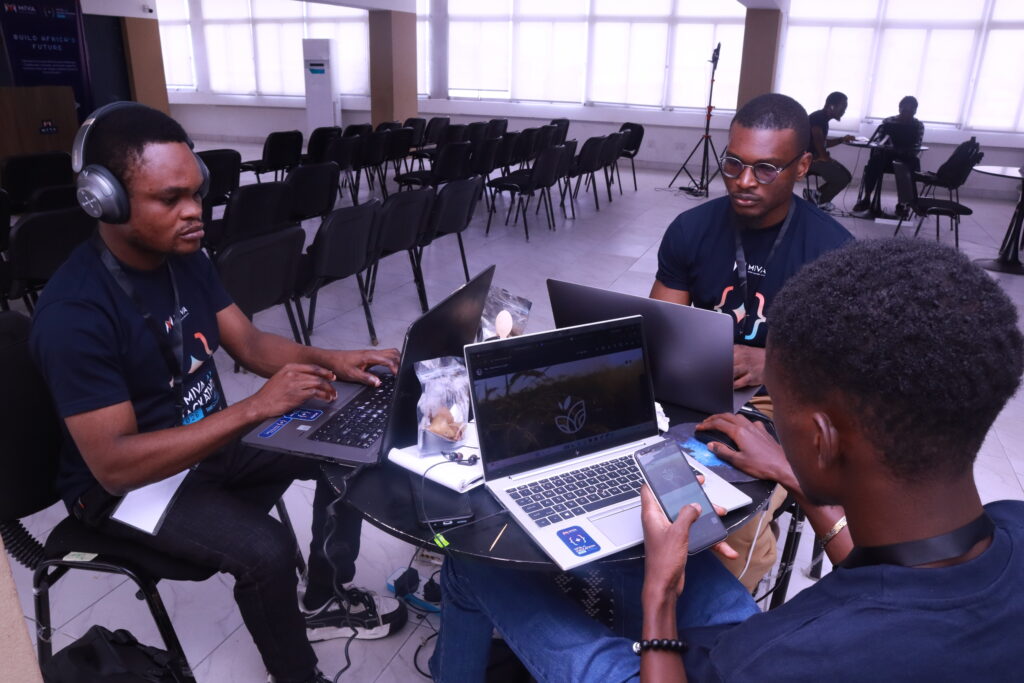
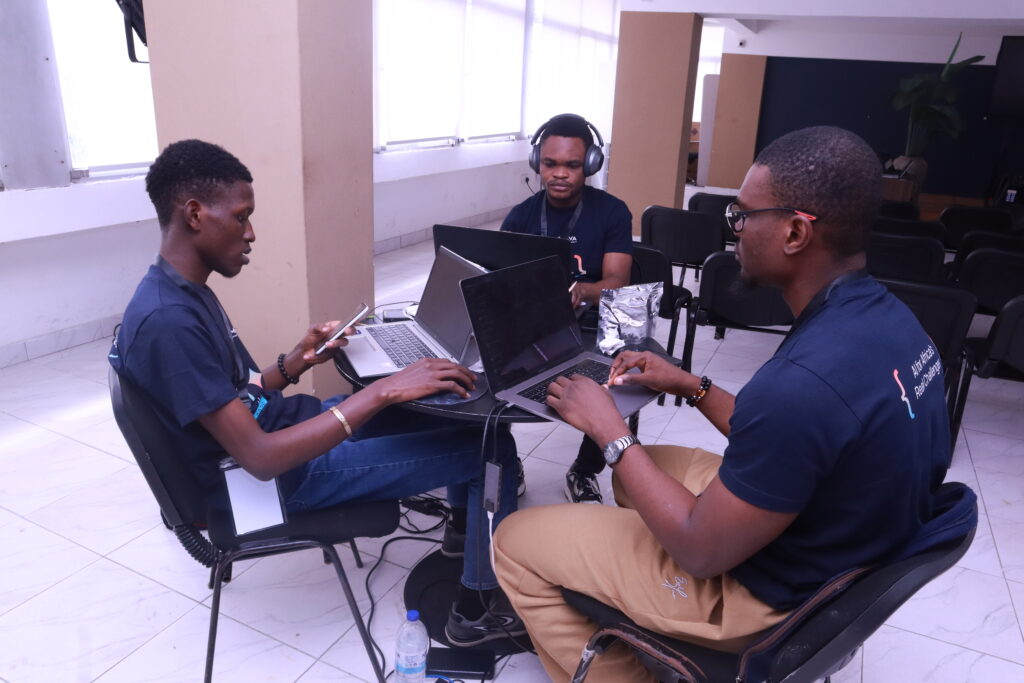
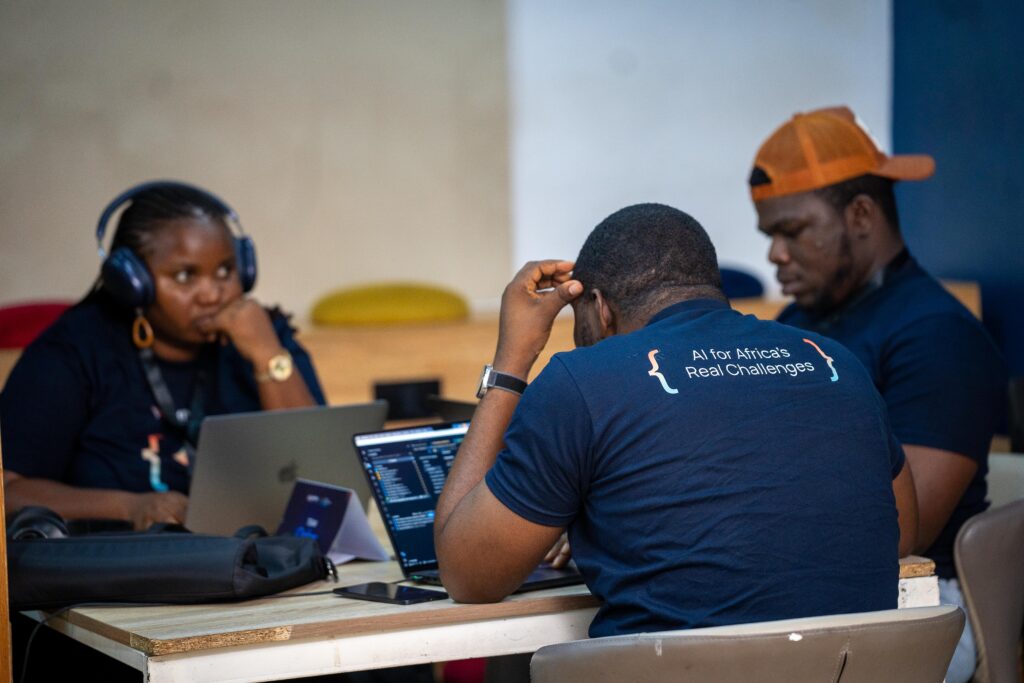
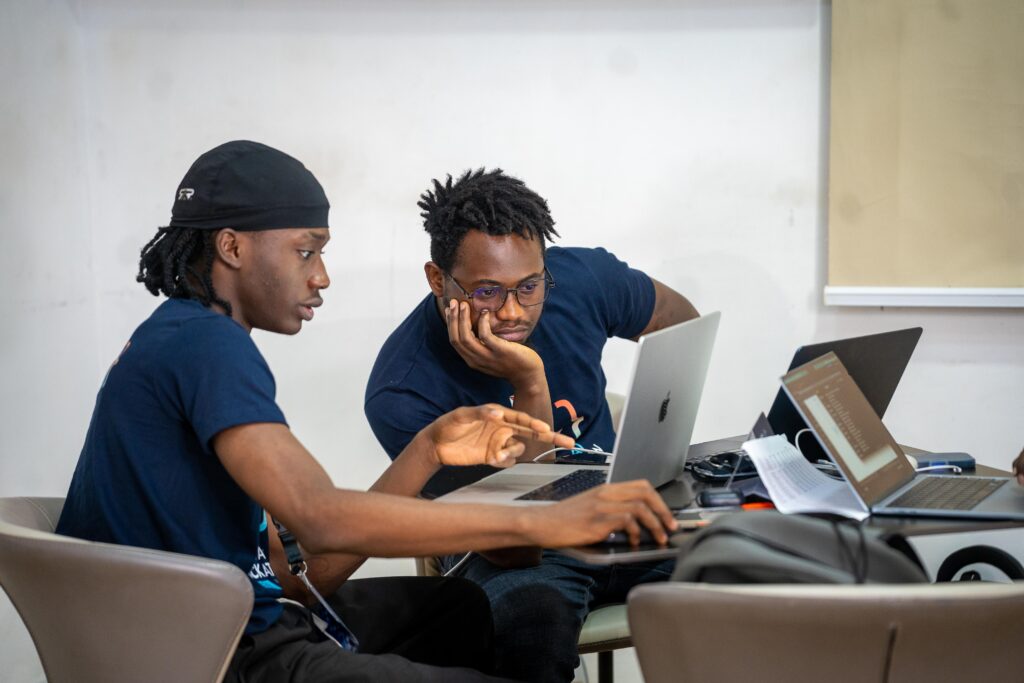
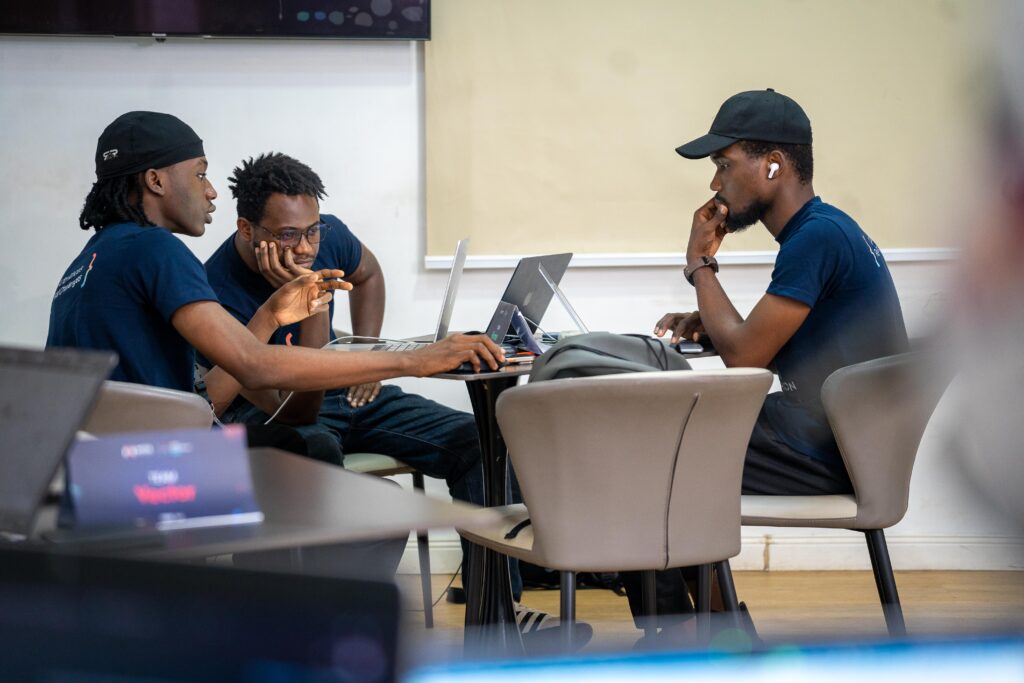
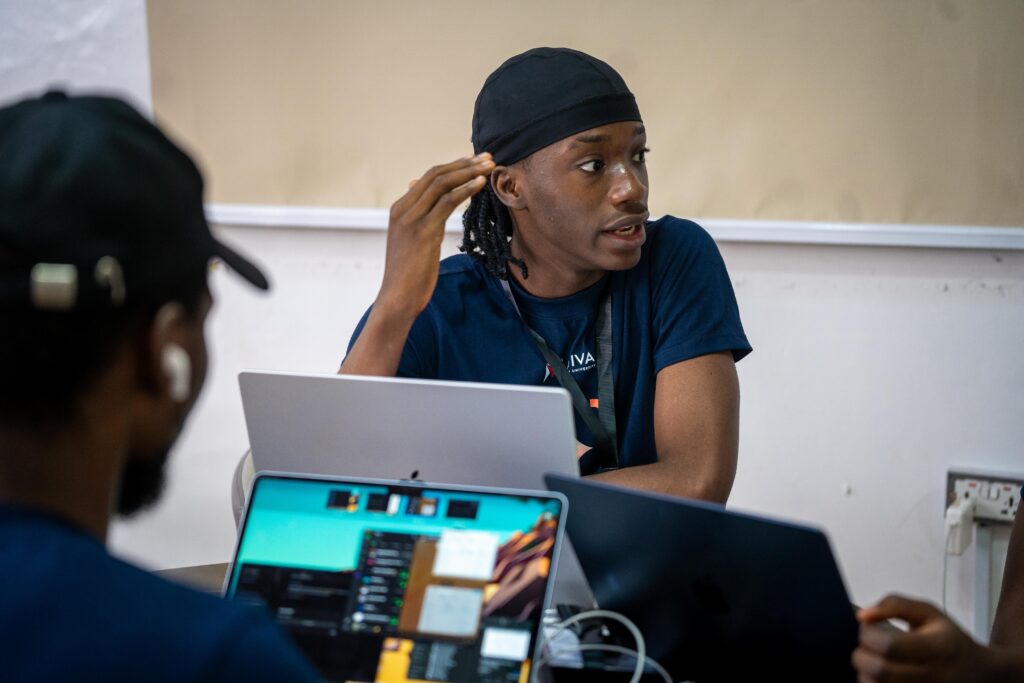
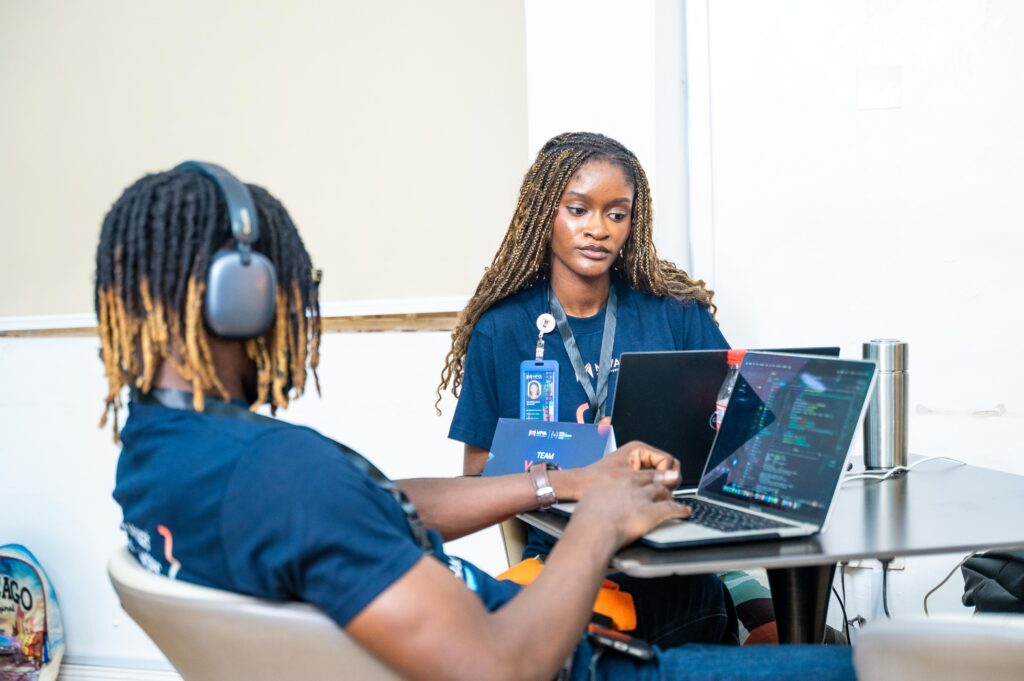
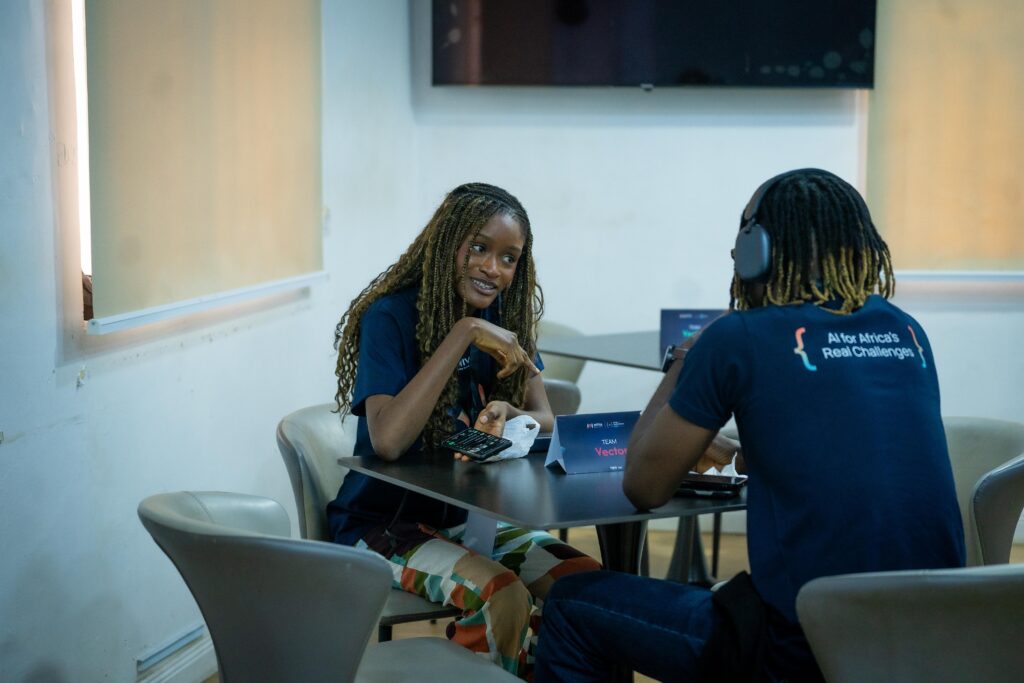
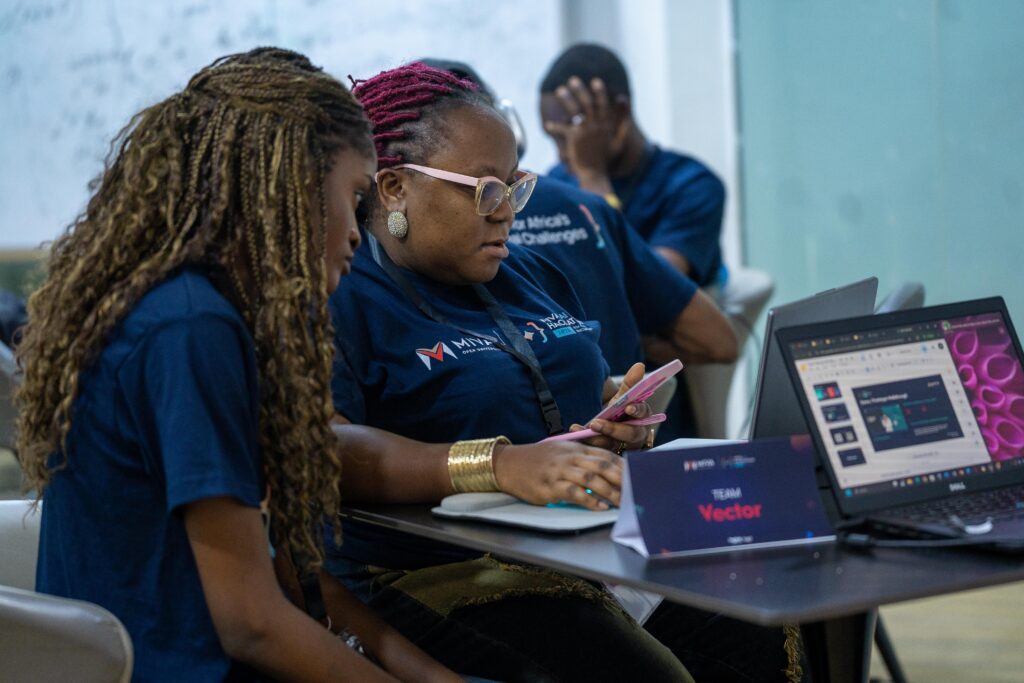
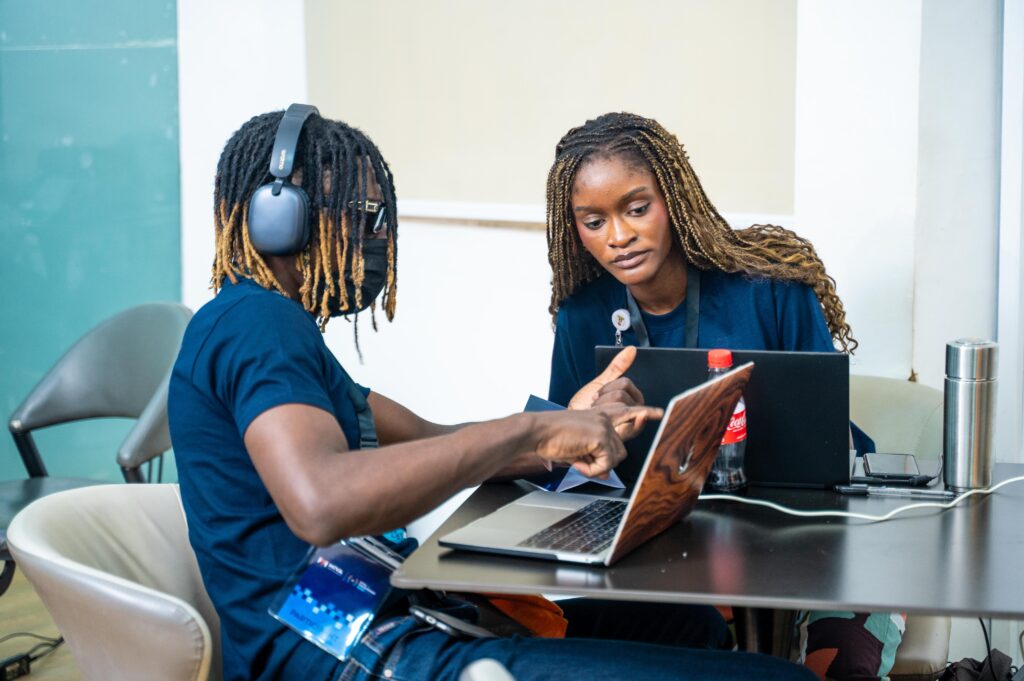
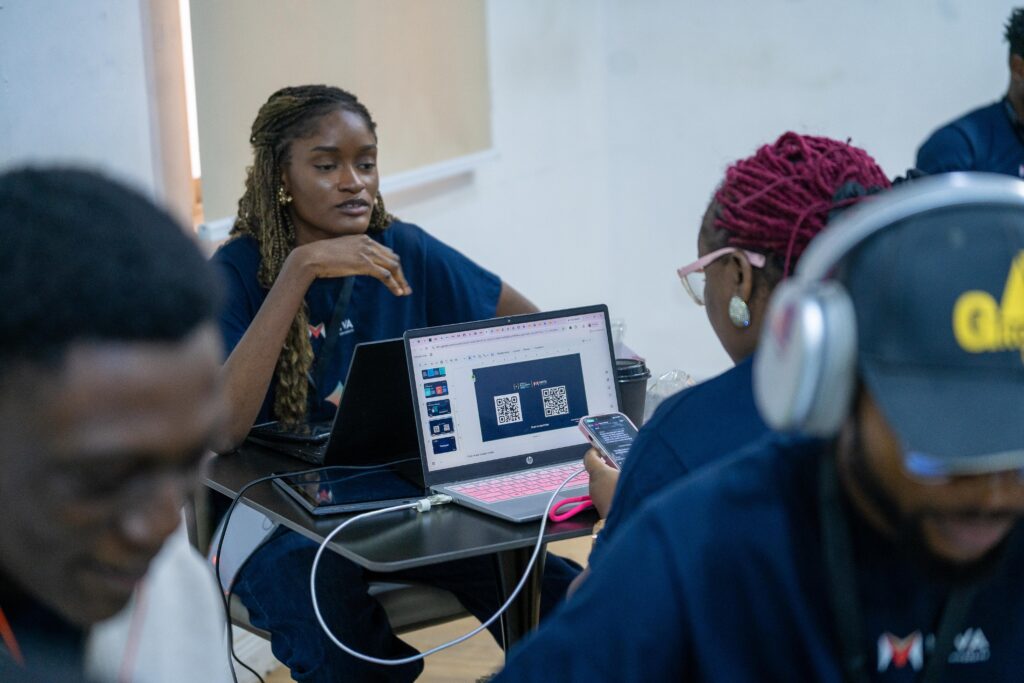
After the talks, the real work began. In person in Abuja, Lagos, Port Harcourt, and Jos, and virtually, Miva students brainstormed real problems in Africa and how to solve them. Conversations stretched late into the evening. Mentors joined meetings, challenged assumptions, answered questions, and helped participants sharpen both their products and presentations.
Every idea, feedback, point of view, and code brought them one step closer to Demo Day.
Great Products Need a Story and Need to Sell
On the last day of the hackathon, digital transformation leader Akanni Isaac reminded participants that building a great product is only half the journey. The other half is telling a story that convinces the right people to care.
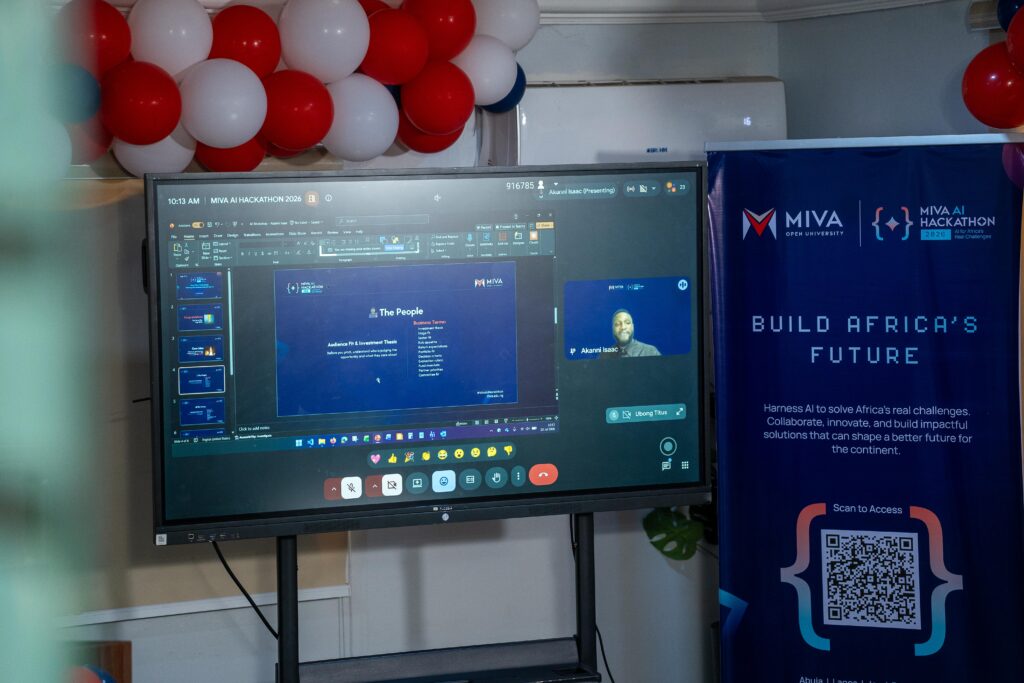
Speaking during a workshop on pitching AI solutions, he encouraged teams to tailor their message to their audience, whether investors, customers, partners, or judges, and focus on the real problem they are solving. He also stressed that ideas should be validated in the market, not through compliments or likes, but by finding people who are willing to pay for the solution.
Through an interactive question-and-answer session, Isaac challenged participants to think commercially from the start. He explained that every successful product helps people do at least one of three things: make money, save money, or save time.
He encouraged the teams to communicate that value clearly, test their assumptions early, and gather honest feedback from paying customers. He implored them to keep building, keep learning, and let the market determine whether an idea is truly worth pursuing.
AI Solutions for Africa’s Problems
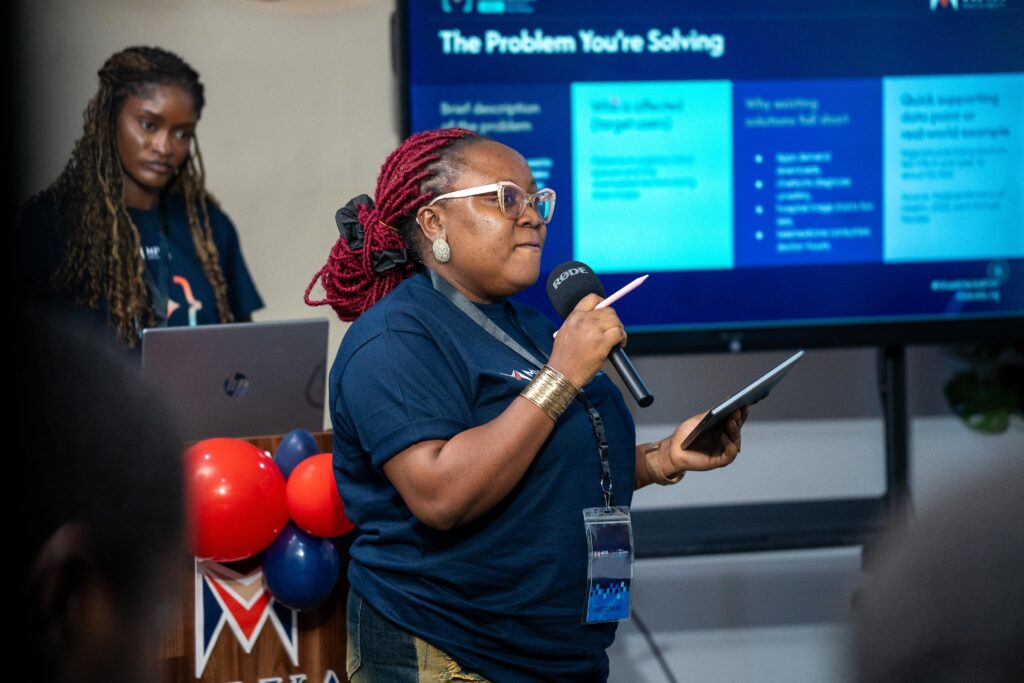
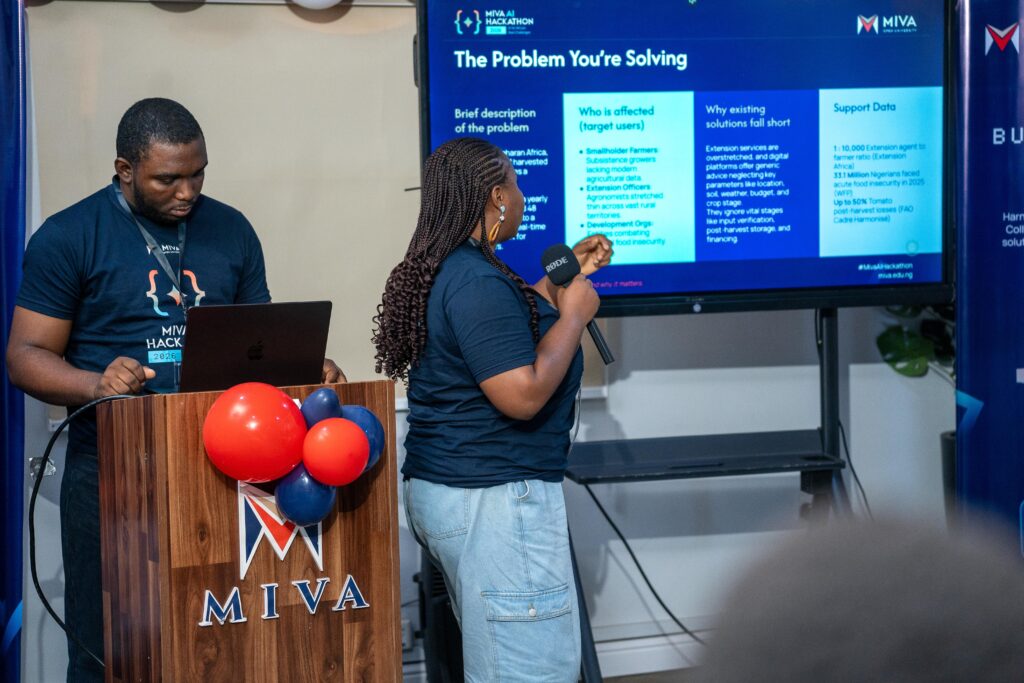
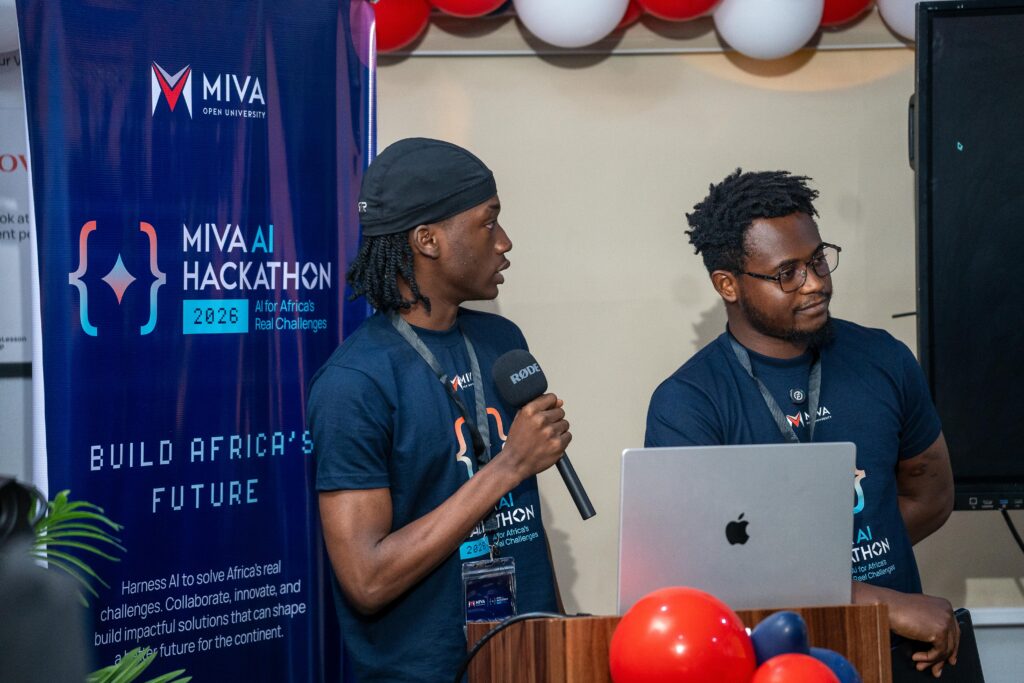
When it was finally time to present, every team had transformed an idea into a working solution. Each project reflected this year’s theme in different ways.
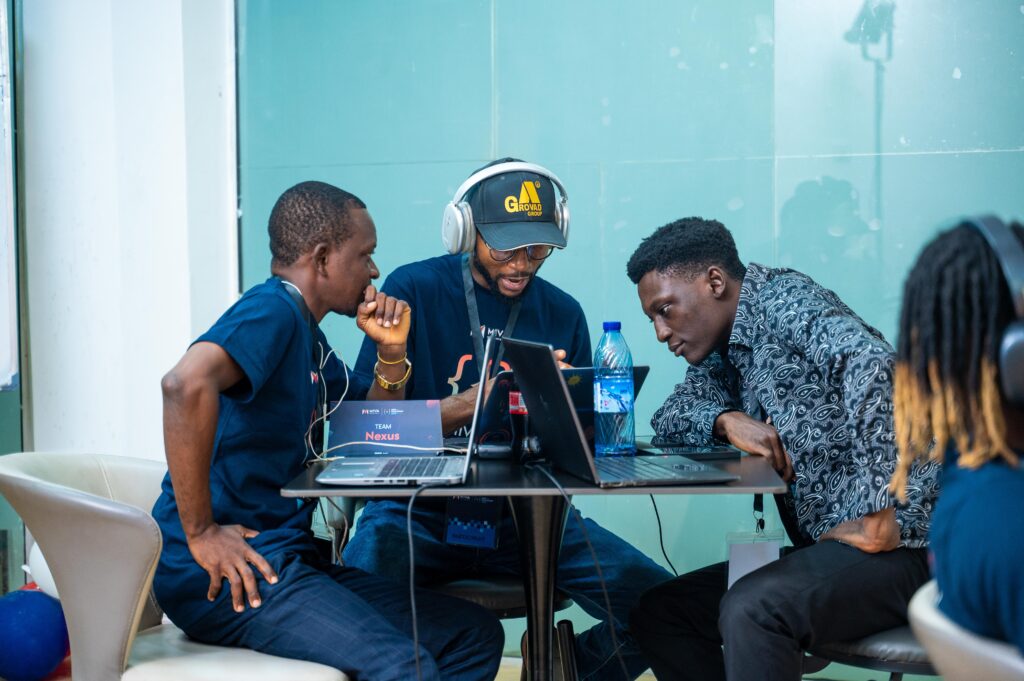
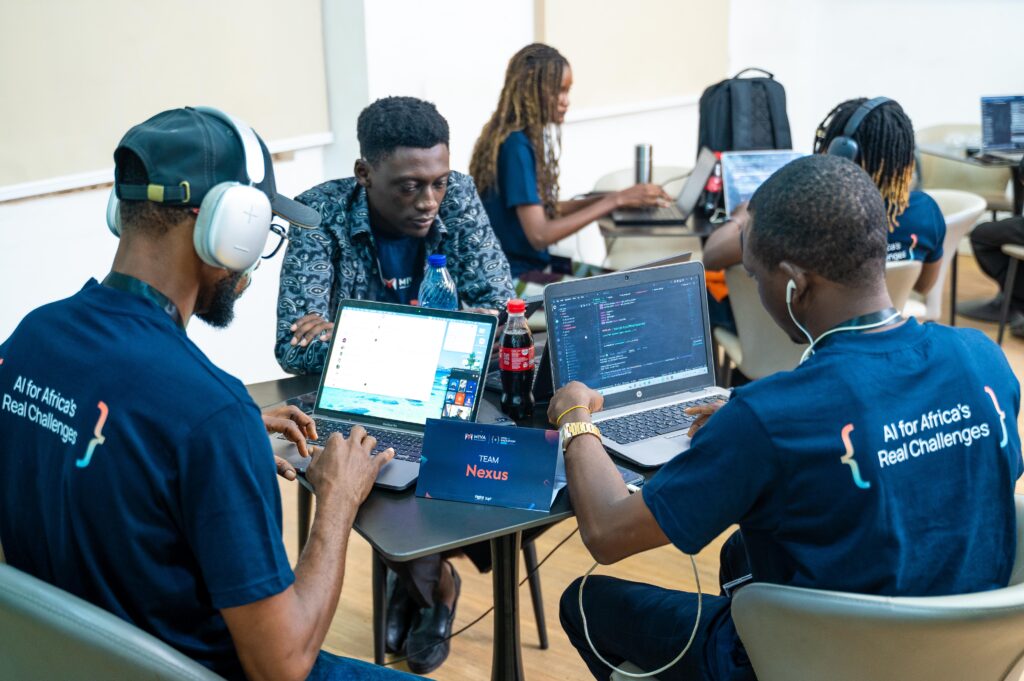
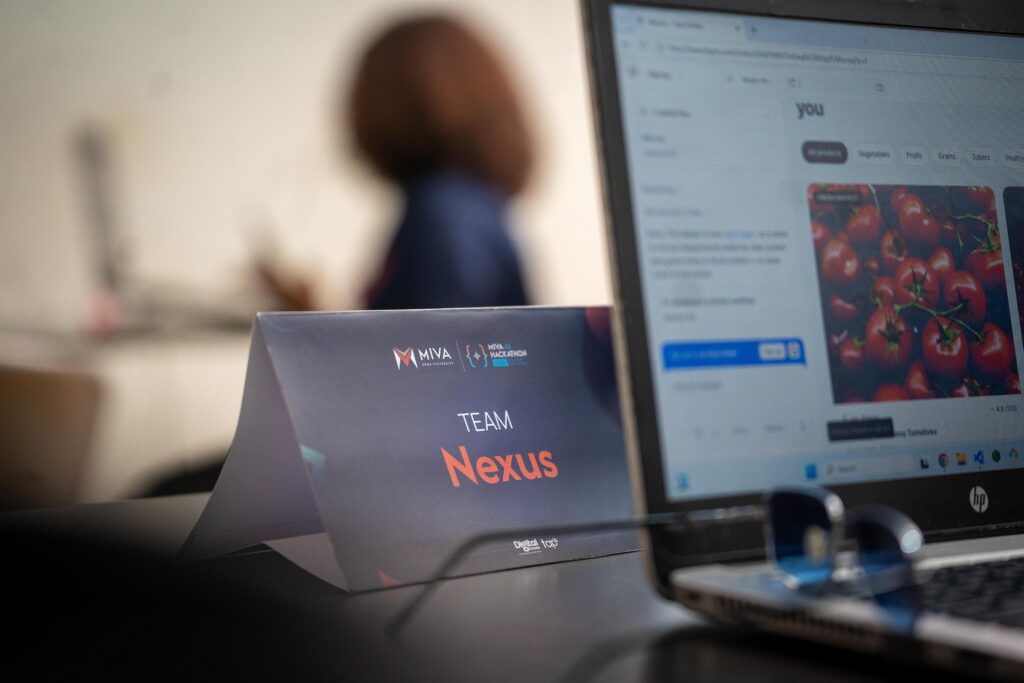
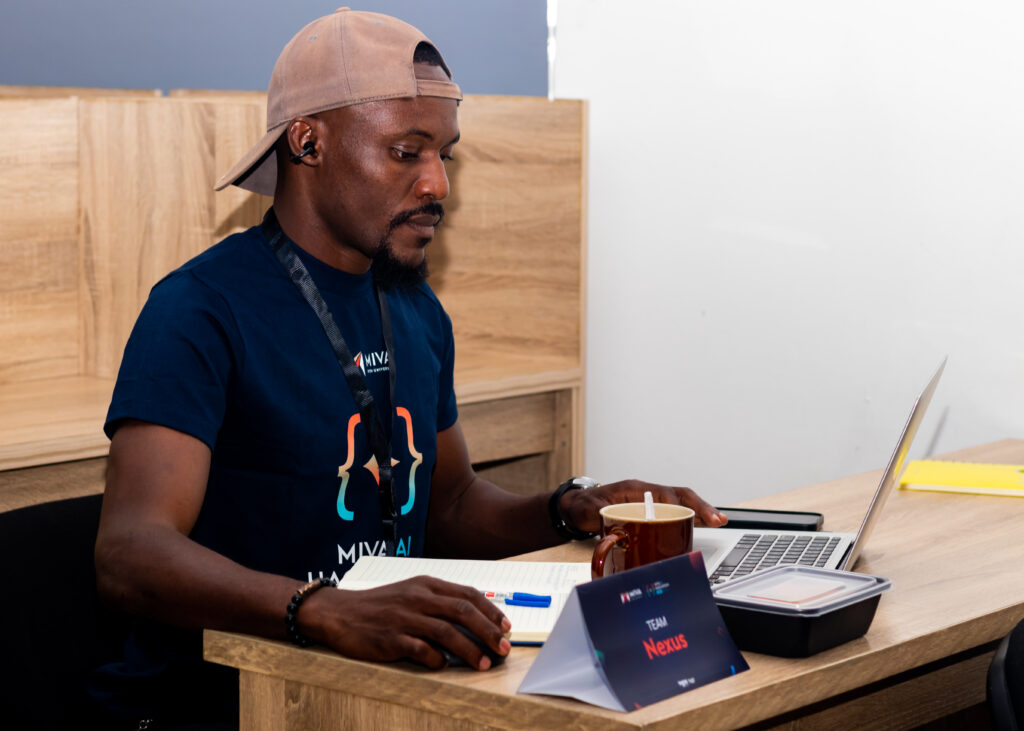
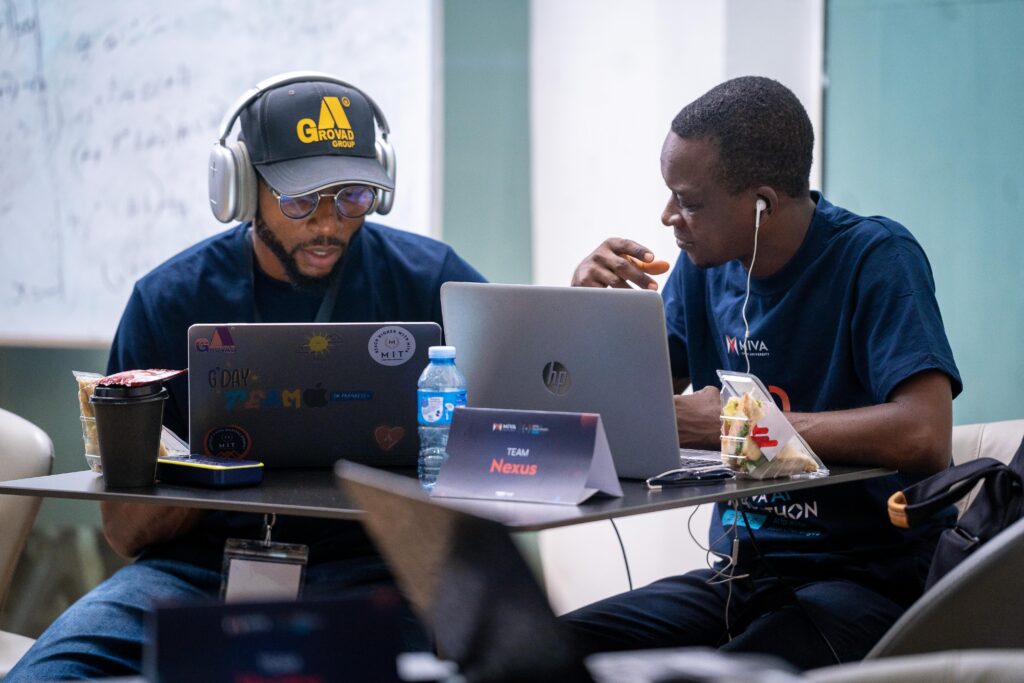
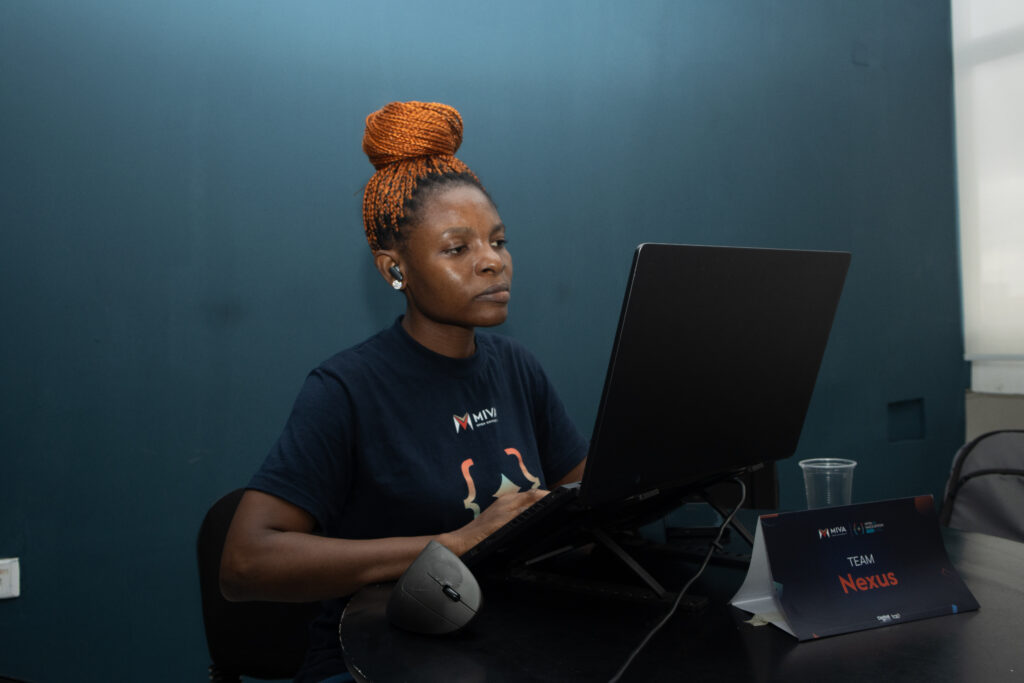
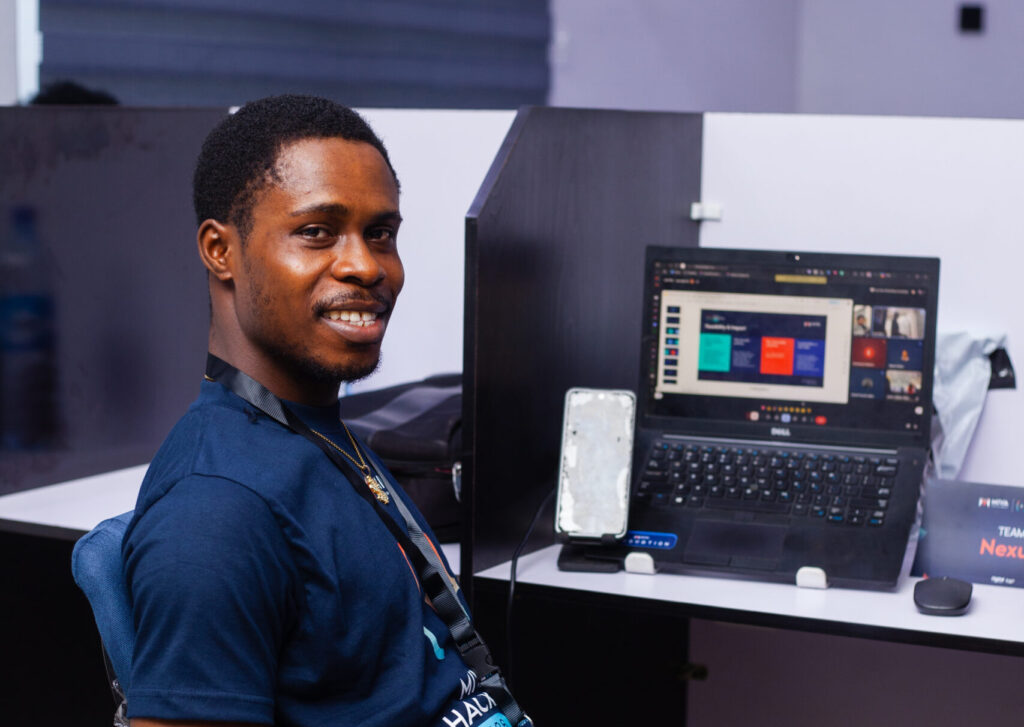
Team Nexus: Murraq
Team Nexus introduced Murraq, an intelligence platform connecting local farmers with quality buyers. The solution aims to reduce one of agriculture’s biggest challenges by helping farmers find trusted markets for their produce while improving access for verified buyers.
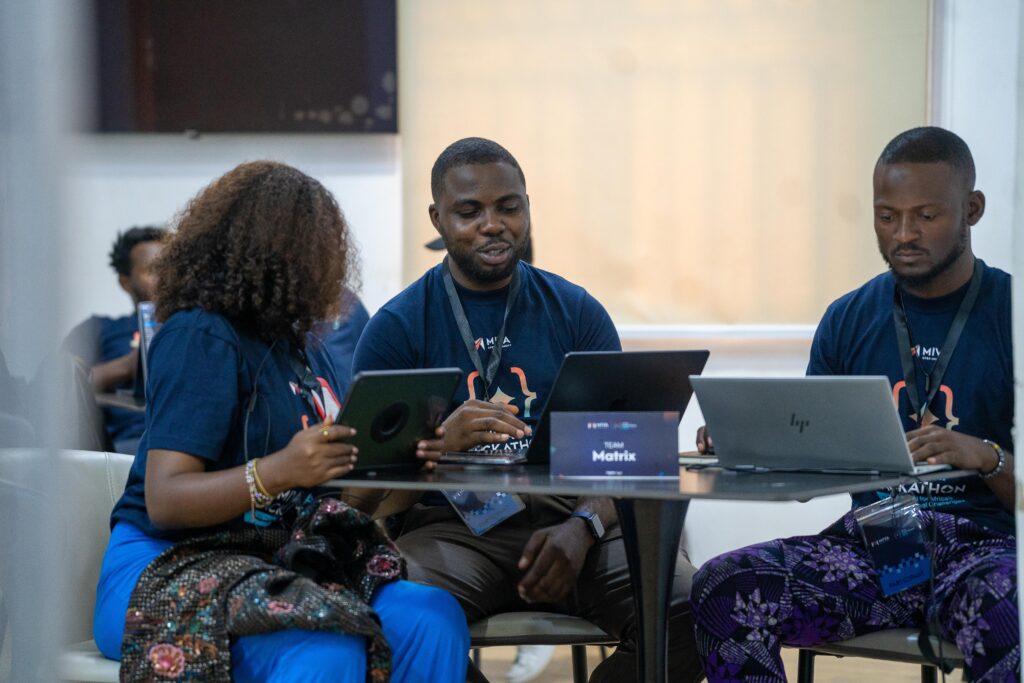
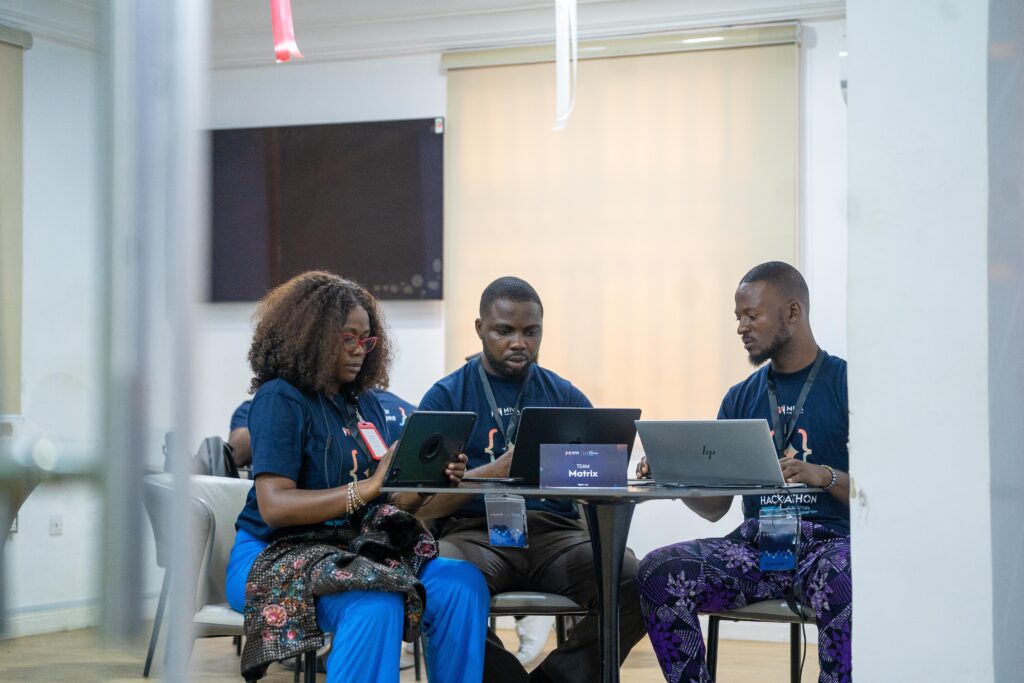
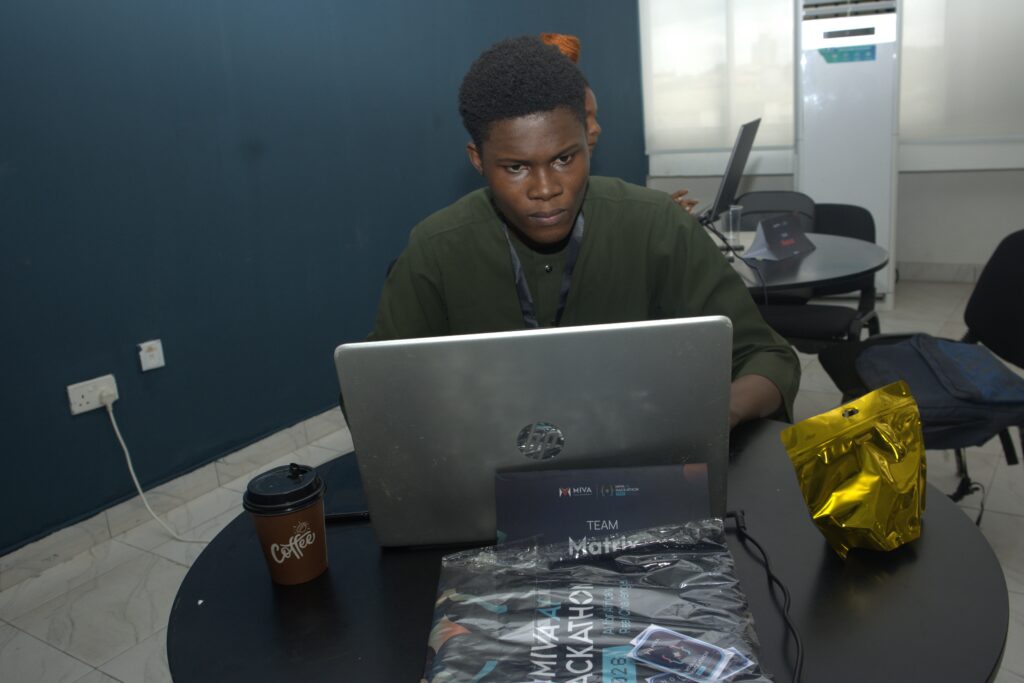
Team Matrix: SpatialCare
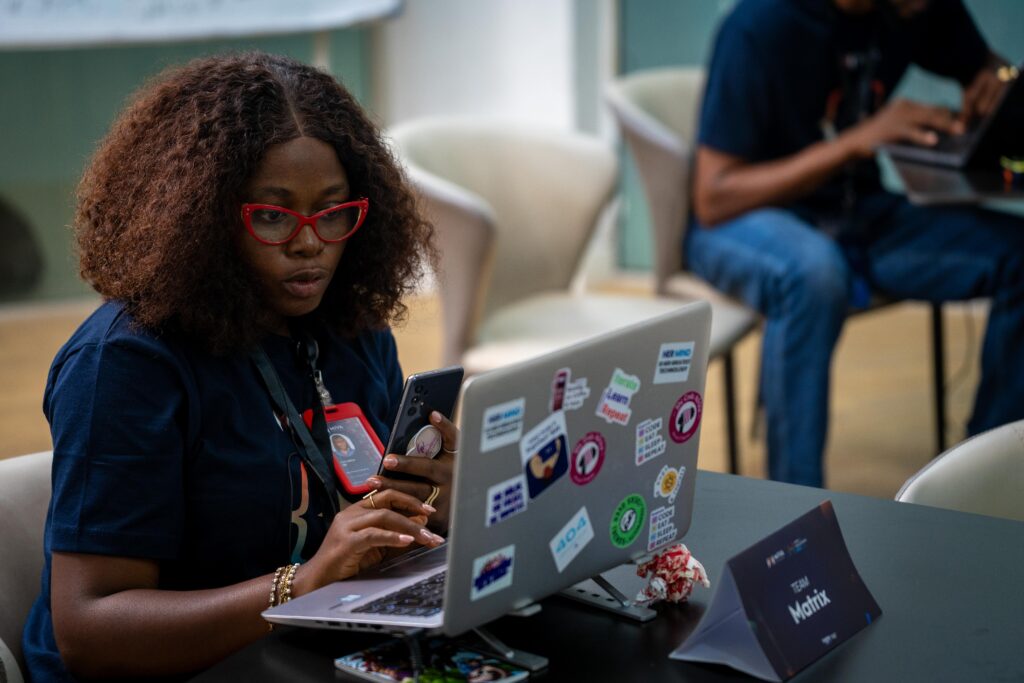
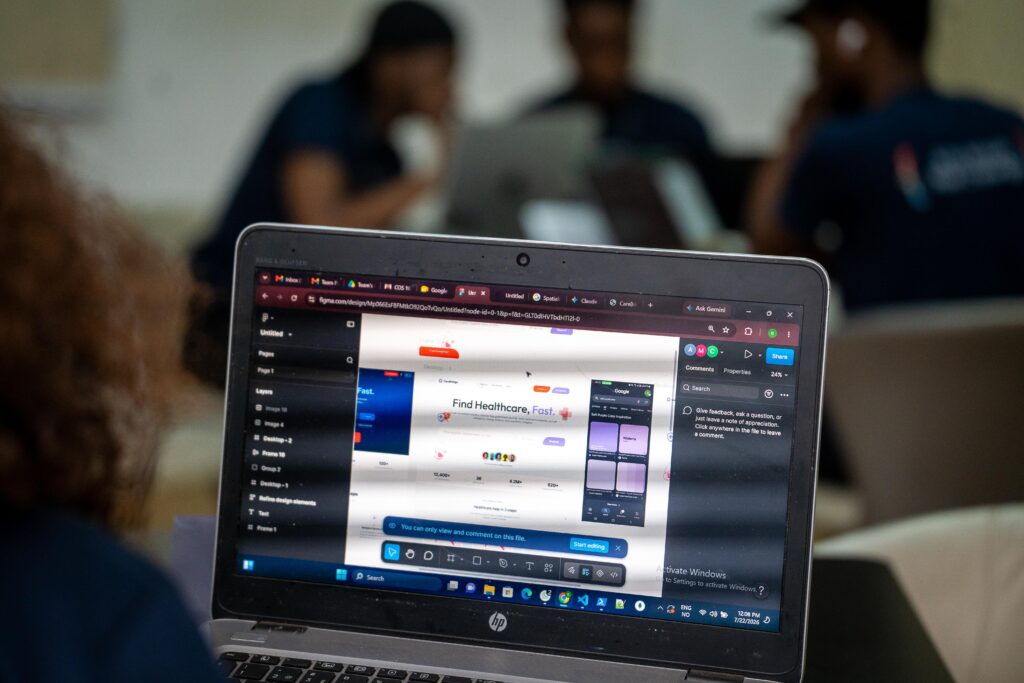
Team Matrix tackled healthcare accessibility through SpatialCare. Their platform helps vulnerable people understand available healthcare services while improving awareness of existing free healthcare policies that many citizens are not aware of.


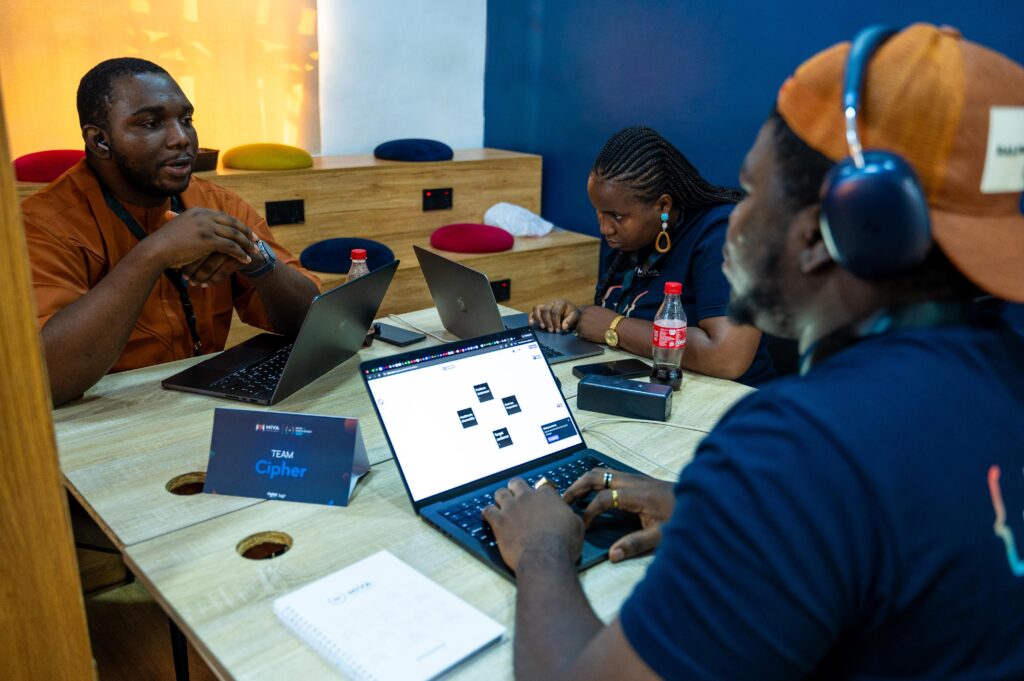
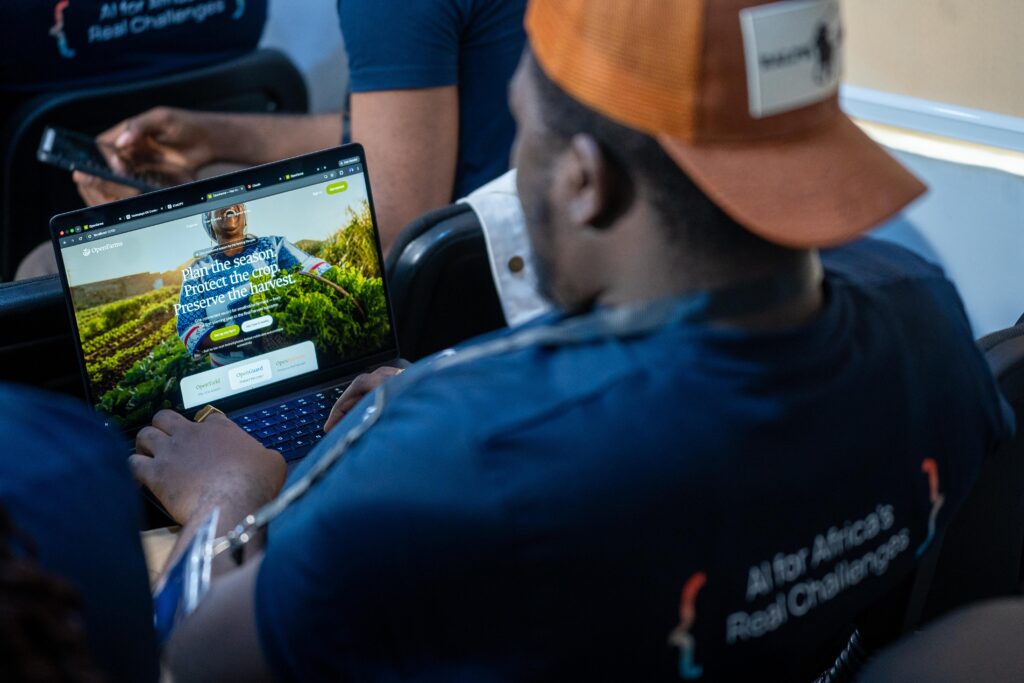
Team Cipher: OpenFarm
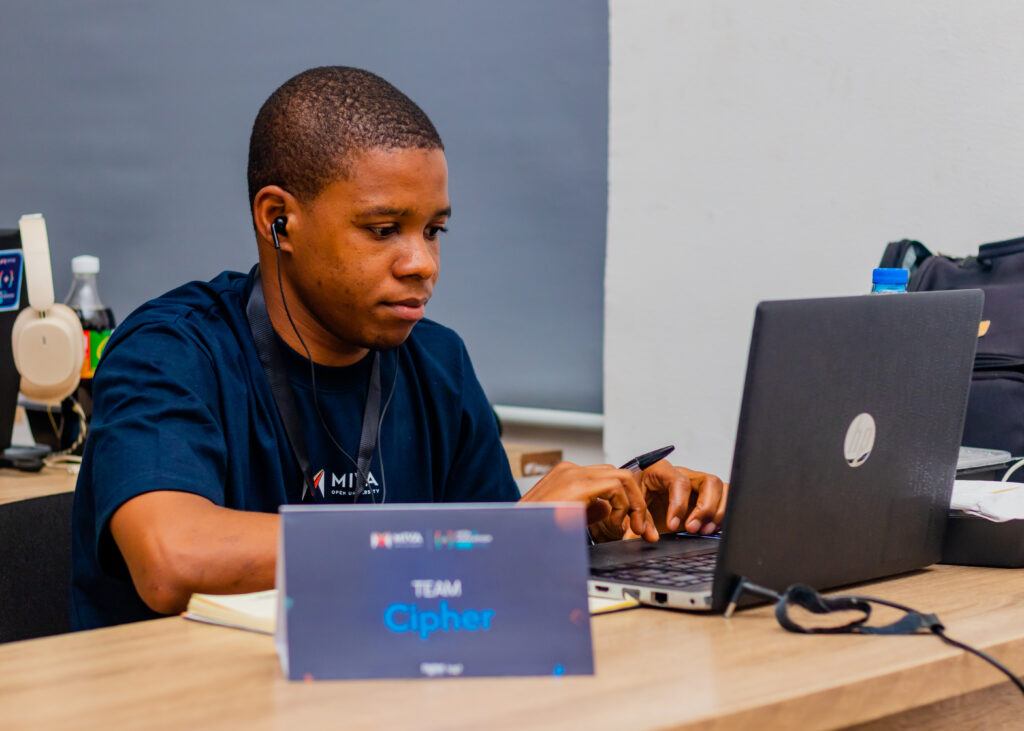
Team Cipher developed OpenFarm, an AI-powered farming assistant that helps farmers make smarter decisions throughout the farming cycle. Farmers can receive guidance on planting, crop management, and harvesting and even diagnose crop diseases simply by uploading photographs for AI analysis.

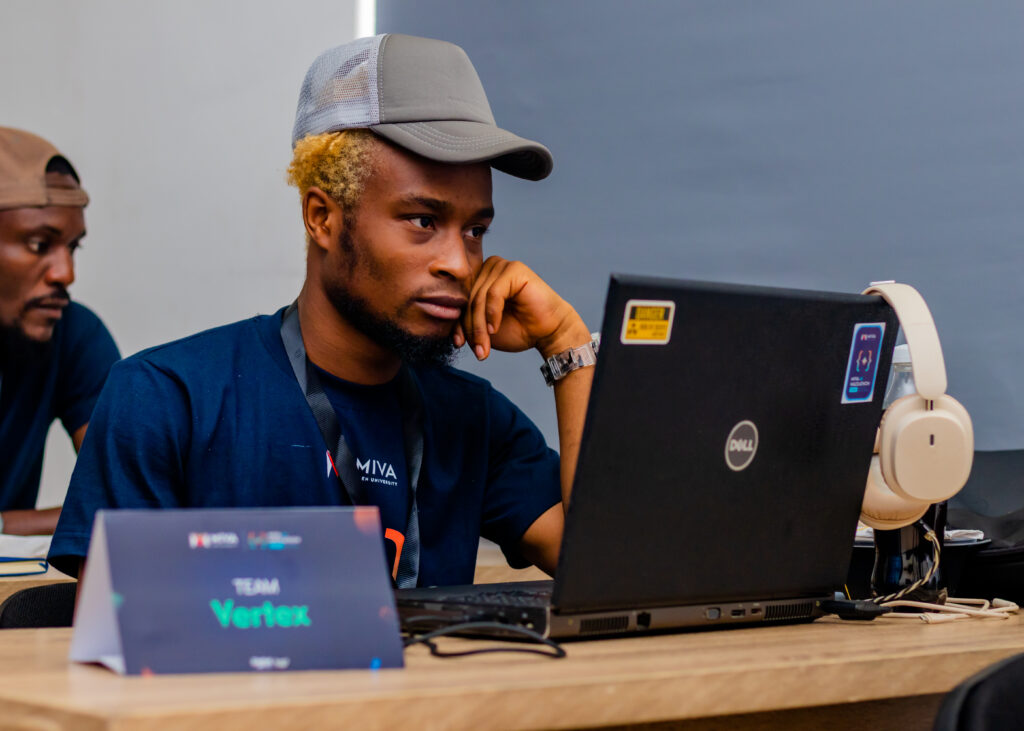
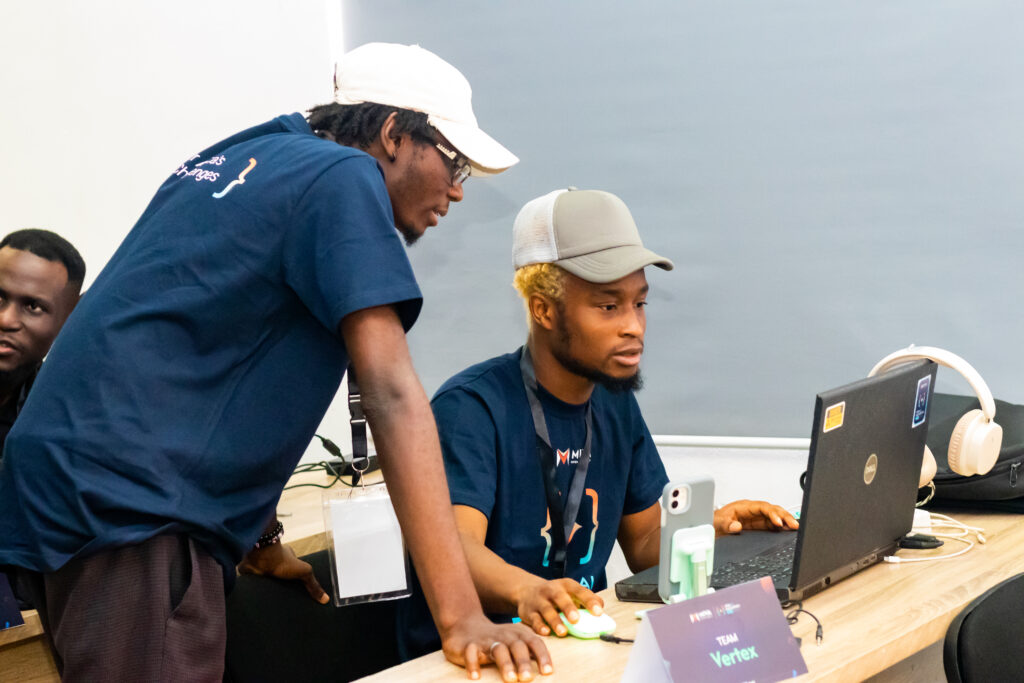
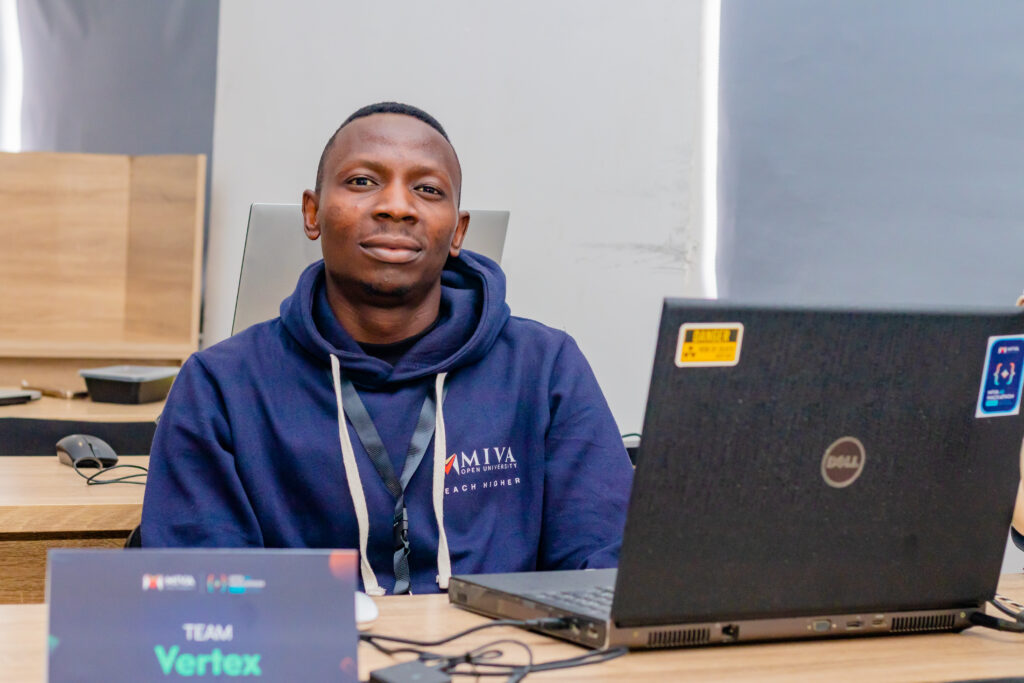
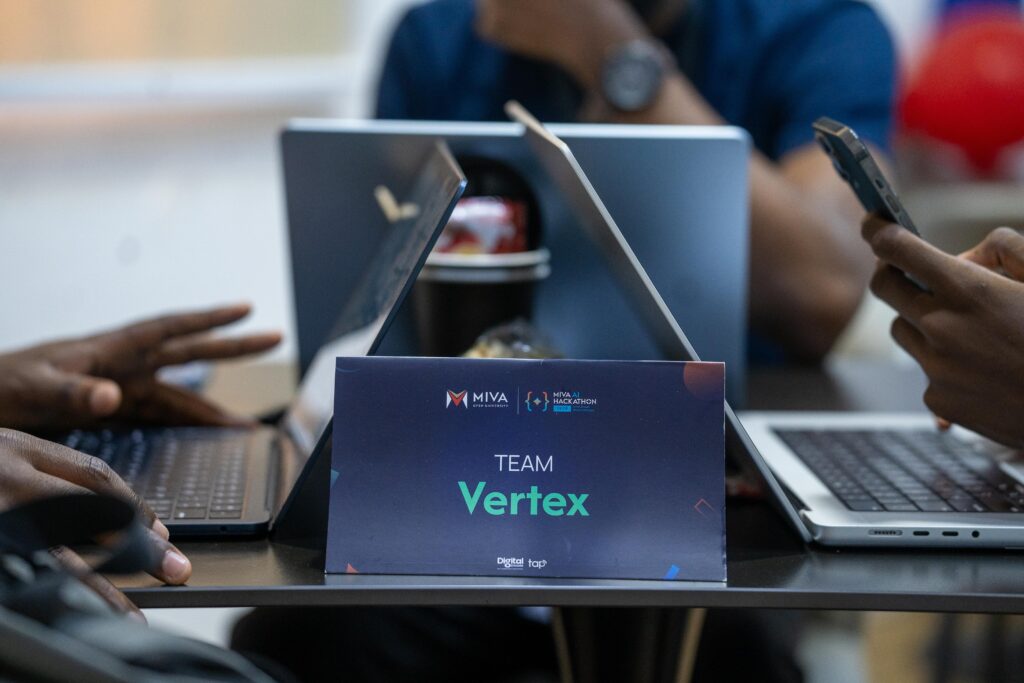
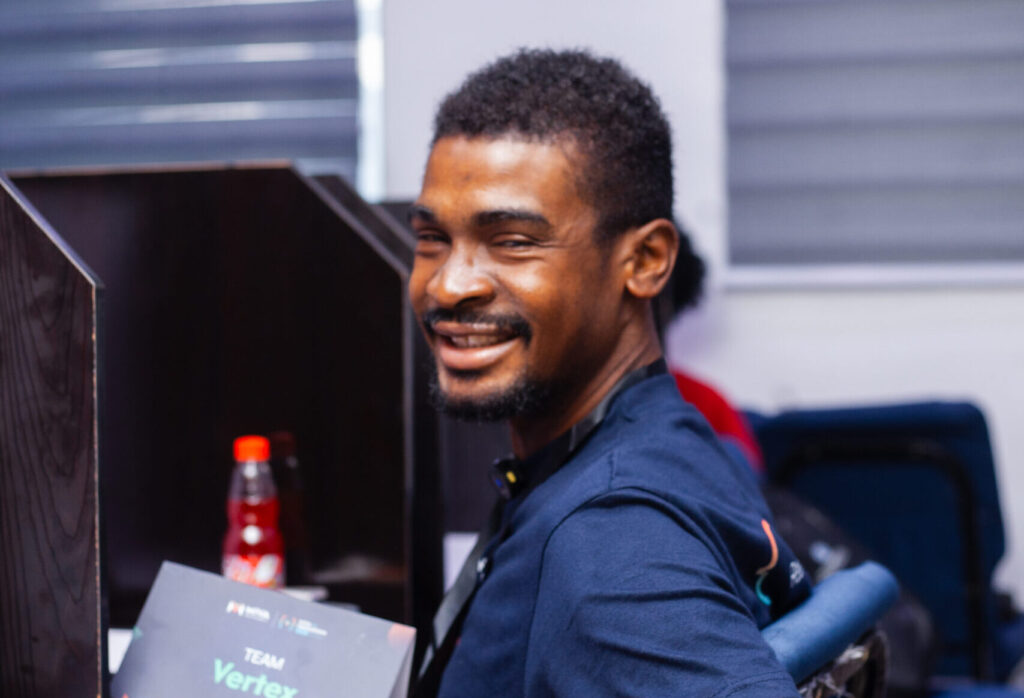
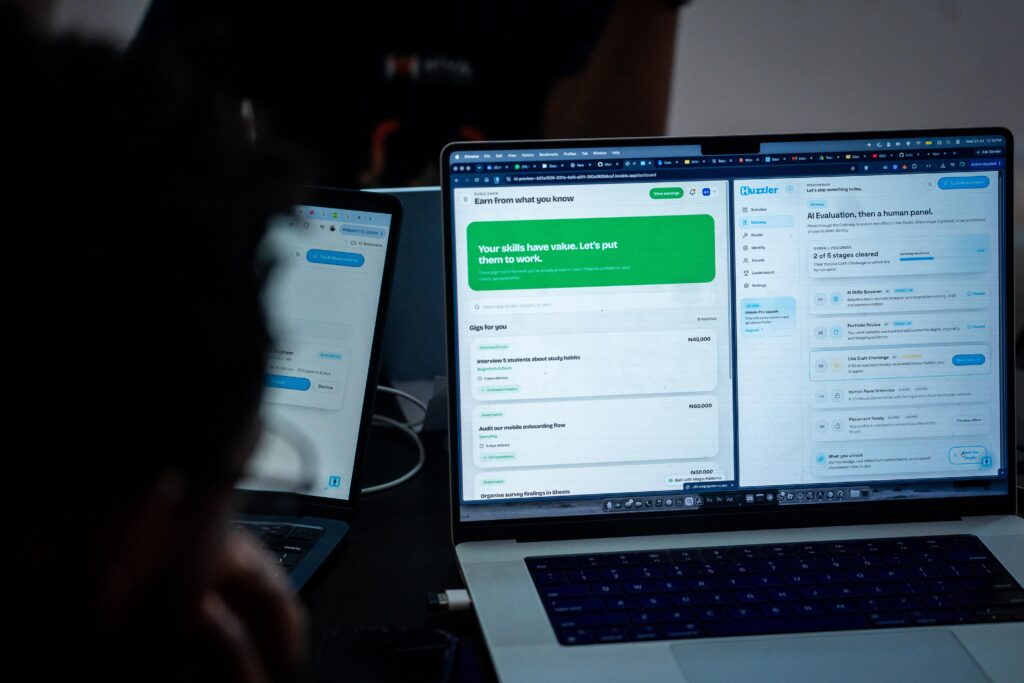
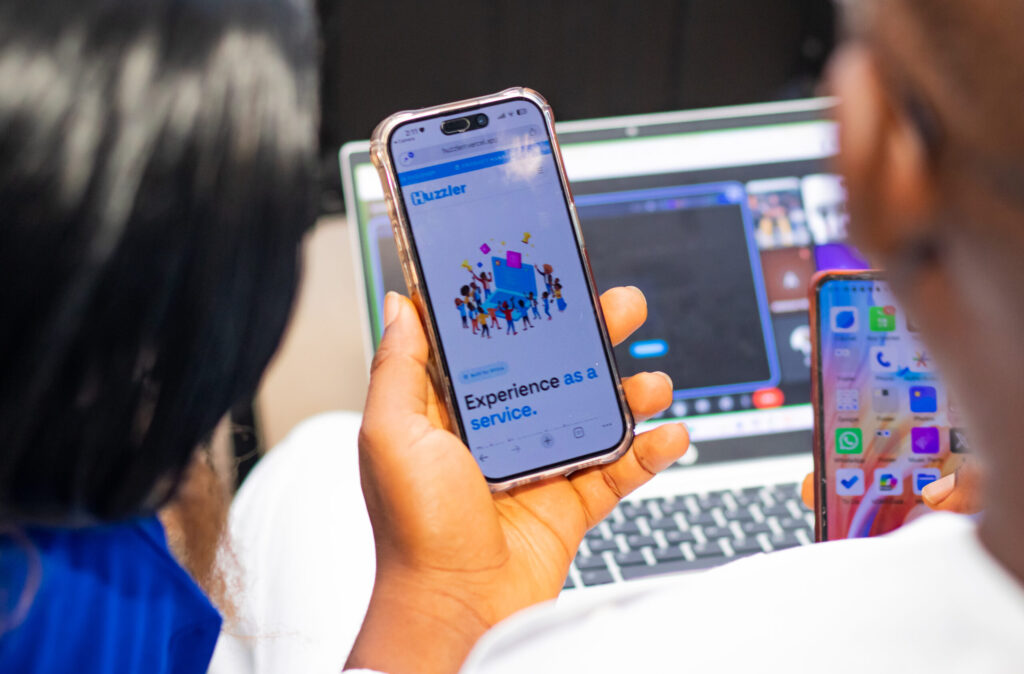
Team Vertex: Huzzler
Recognising that many aspiring technology professionals struggle to gain practical experience, Team Vertex created Huzzler. The platform connects users with real engineering teams while also offering simulated projects that help learners build practical experience before entering the job market.
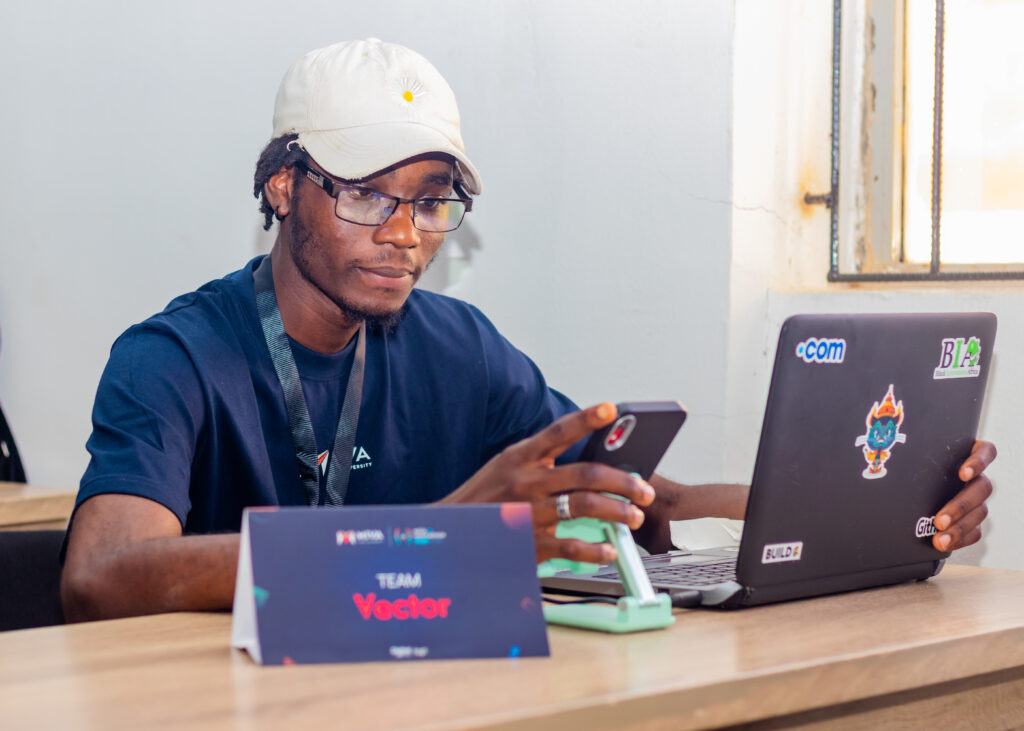
Team Vector: Medlink
Team Vector focused on one of healthcare’s most urgent problems.
Long waiting times.
Their solution, Medlink, improves patient triage so hospitals can identify urgent cases faster and reduce delays that may contribute to preventable deaths.
Together, the five projects demonstrated how artificial intelligence can move beyond theory and become a practical tool for solving everyday challenges across Africa.
The Awards and Prizes
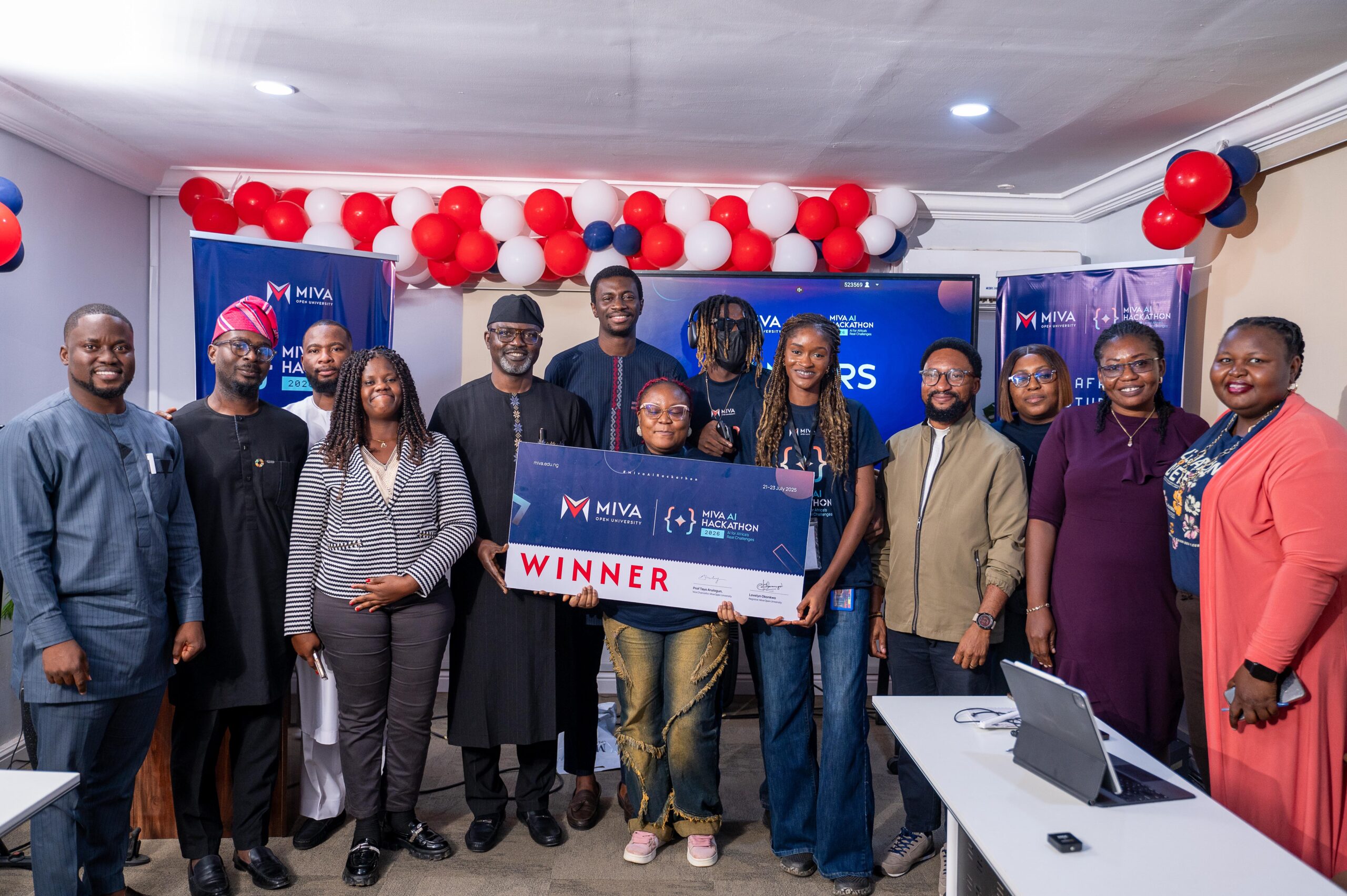
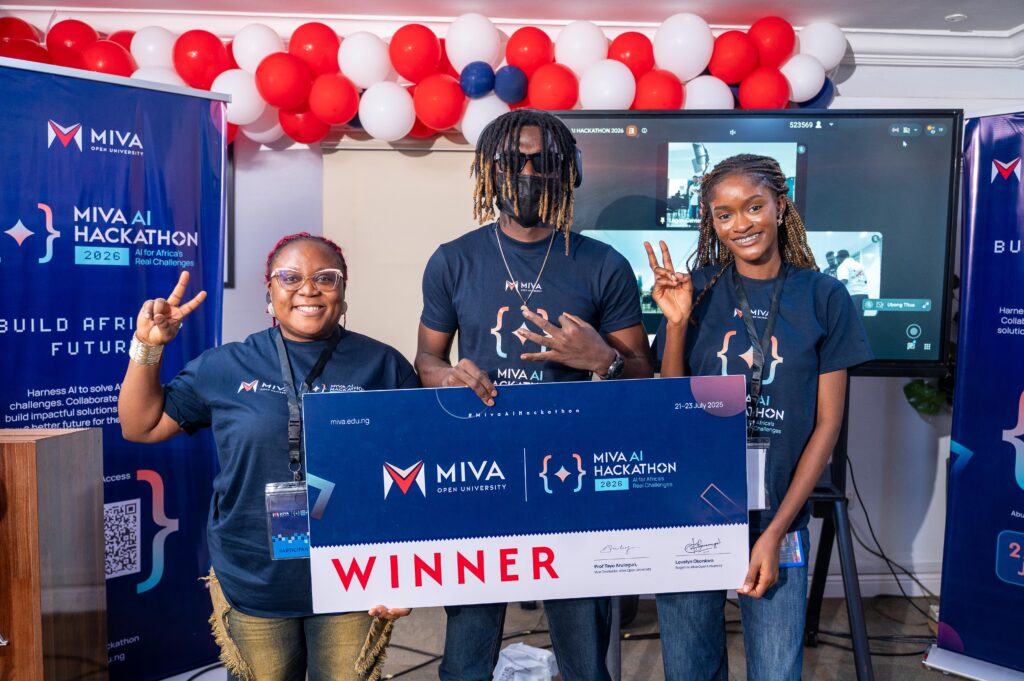
After careful deliberation, the judges announced the winners of the Miva AI Hackathon 2026.
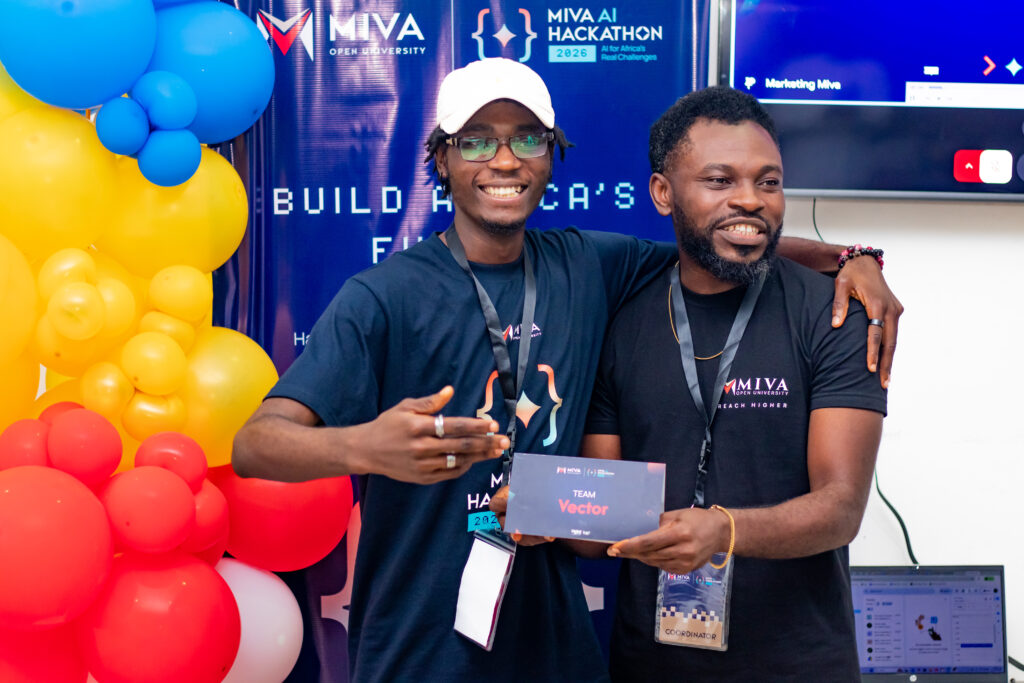
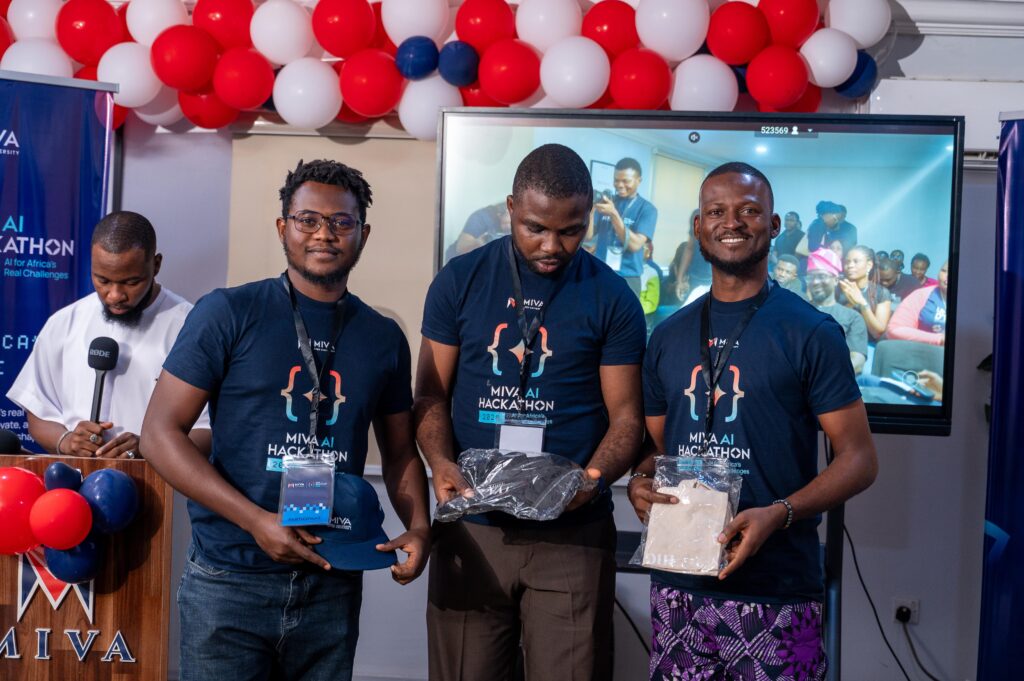
In First Place: Team Vector for Medlink, an AI-powered patient triage solution designed to reduce waiting times in hospitals. They won ₦1,500,000.
In Second Place: Team Cipher for OpenFarm, helping farmers improve planting, crop management, and harvesting through AI-powered insights. They won ₦900,000.
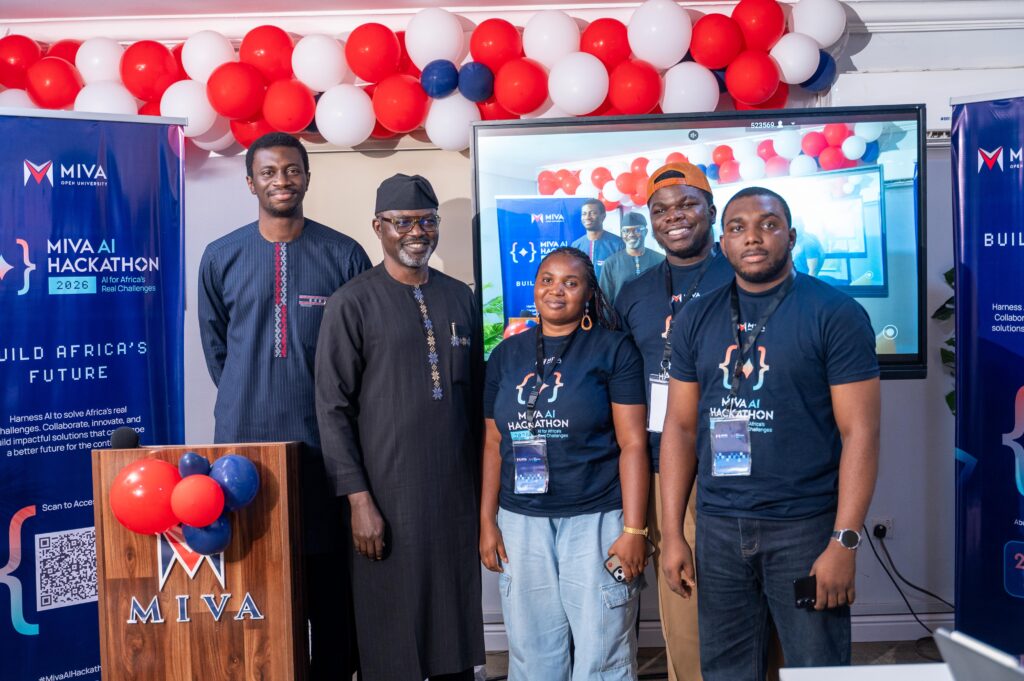
Third Place: Team Vertex for Huzzler, connecting aspiring technology professionals with real and simulated engineering projects to build practical experience. They received ₦600,000.
More Than a Competition
The ideas developed during the Miva AI Hackathon 2026 represent something much bigger than a three-day competition. They reflect a generation of innovators choosing to solve African problems with African ideas. They remind us that the future of AI will not be built by technology alone.
It will be built by curious minds willing to ask better questions, work together, and keep building even after the hackathon ends.
The Miva AI Hackathon 2026 also created opportunities for students to learn directly from experienced founders, AI experts, academics, and mentors while applying those lessons in real time.
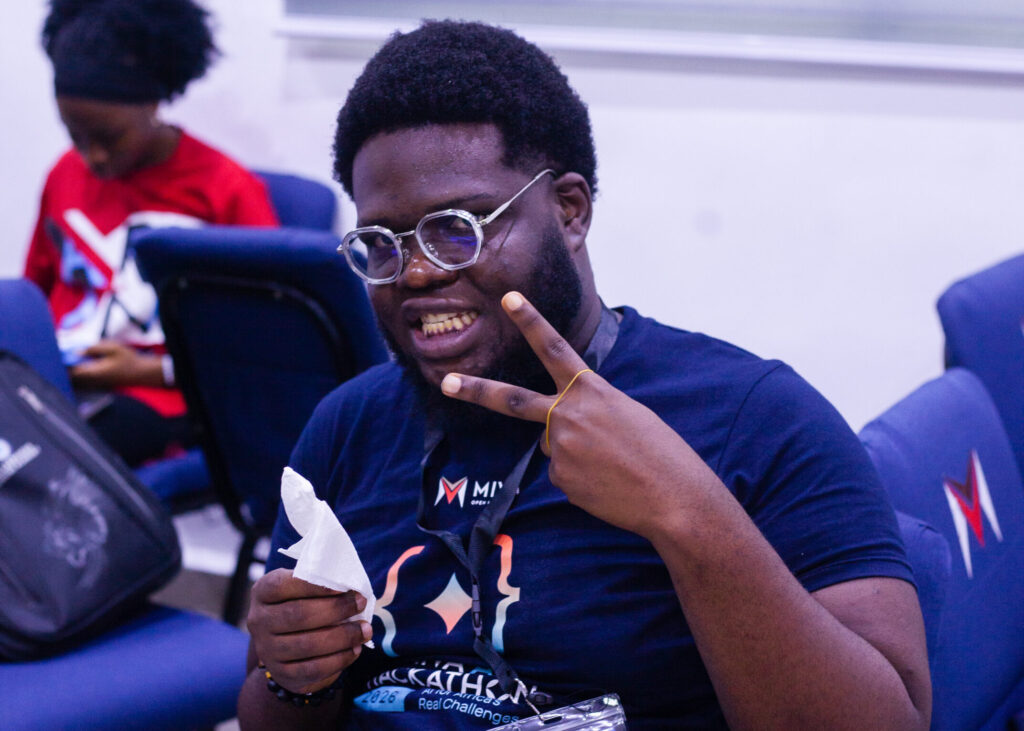
Winning was only one part of the story. Every participant left with something valuable: some gained technical experience, while others improved their presentation skills. Many discovered what it takes to build products that solve genuine problems.
The hackathon reinforced an important idea. Artificial intelligence is not valuable because it is new. It is valuable when it improves people’s lives.
We cannot wait to see where these ideas go next.
And we look forward to welcoming even more builders at the next Miva AI Hackathon.