

School of Postgraduate Studies
Master of Economic Policy Management (M.EPM)
The Master of Economic Policy Management (M.EPM) at Miva Open University is designed to develop highly skilled economic policy professionals who can design, analyse, implement, and evaluate sound economic policies.
You will gain advanced knowledge of economic theory, quantitative analysis, policy design, governance, and development, with a focus on Nigeria and other developing economies. The programme combines theoretical foundations with practical tools for informed policy decision-making and strategic governance.
Full Tuition
$845
₦680,000
Tuition Per Semester
$320
Introduction to Master of Economic Policy Management (M.EPM)
Build the Skills to Shape Economic Policy
Economic decisions have far-reaching effects on businesses, communities, and national development. The M.EPM programme gives you the knowledge and analytical skills to understand these decisions and contribute to better policy outcomes.
You will explore areas such as microeconomics, macroeconomics, public economics, international economics, development economics, econometrics, economic policy, and governance.
The programme also examines contemporary issues, including the digital economy, artificial intelligence policy, energy economics, climate change, financial markets, public finance, health economics, and sustainable development. Through research, policy analysis, case studies, digital tools, and practical learning, you will develop the ability to turn economic data and evidence into clear policy recommendations.
Why you should apply
- Build advanced skills in economic theory, quantitative analysis, and policy formulation.
- Develop skills in econometrics, statistical analysis, mathematical modelling, and economic research.
- Explore economic challenges affecting Nigeria, sub-Saharan Africa, and other developing economies.
- Gain exposure to digital tools and statistical software used in economic analysis.
- Develop leadership and governance skills for economic reform and national development.
- Study through a flexible online learning model designed for geographically diverse learners.
- Explore specialist areas including development, international trade, finance, energy, public sector economics, climate change, and health economics.
Study Level
Study Duration
3 Semesters
Mode of study
Blended Learning
Full Tuition
$845
₦680,000
Tuition Per Semester
$320
Applications for May 2026 admission is ongoing.
Apply before 31st May 2026, to secure your place. Discount applies for full year’s payment.
Applications for January 2027 admission is ongoing.
Apply before 31th January 2027, to secure your place. Discount applies for full year’s payment.
Curriculum
Programme Outline
The M.EPM curriculum combines economic theory, quantitative methods, policy analysis, research, and practical learning. Students complete core courses in economic theory, research methods, sustainability, monetary systems, technology, econometrics, public sector economics, energy economics, and globalisation.
- Faculty Support
- Digital Resources
- Career Services
- Student Community
- Core course within the programme.
- Core course within the programme.
- Core course within the programme.
- Core course within the programme.
- Core course within the programme.
- Core course within the programme.
E – Elective
- Core course within the programme.
- Core course within the programme.
- Core course within the programme.
- Core course within the programme.
- Core course within the programme.
- Core course within the programme.
E – Elective
- Core course within the programme.
- Core course within the programme.
- Core course within the programme.
- Elective course within the programme.
- Elective course within the programme.
- Elective course within the programme.
E – Elective
- Core course within the programme.
- Core course within the programme.
- Core course within the programme.
- Elective course within the programme.
- Elective course within the programme.
- Elective course within the programme.
E – Elective
- Core course within the programme.
- Core course within the programme.
- Core course within the programme.
- Elective course within the programme.
- Elective course within the programme.
- Elective course within the programme.
E – Elective
- Core course within the programme.
- Core course within the programme.
- Core course within the programme.
- Elective course within the programme.
- Elective course within the programme.
- Elective course within the programme.
E – Elective
- Core course within the programme.
- Core course within the programme.
- Core course within the programme.
- Elective course within the programme.
- Elective course within the programme.
- Elective course within the programme.
E – Elective
- Core course within the programme.
- Core course within the programme.
- Core course within the programme.
- Elective course within the programme.
- Elective course within the programme.
- Elective course within the programme.
E – Elective
- Core course within the programme.
- Core course within the programme.
- Core course within the programme.
- Elective course within the programme.
- Elective course within the programme.
- Elective course within the programme.
E – Elective
Admission Requirements
Admission Requirements for Master of Economic Policy Management (M.EPM)
Entry Requirements for Master of Economic Policy Management (M.EPM)
Here’s what you need to study for the Master of Economic Policy Management at Miva Open University.
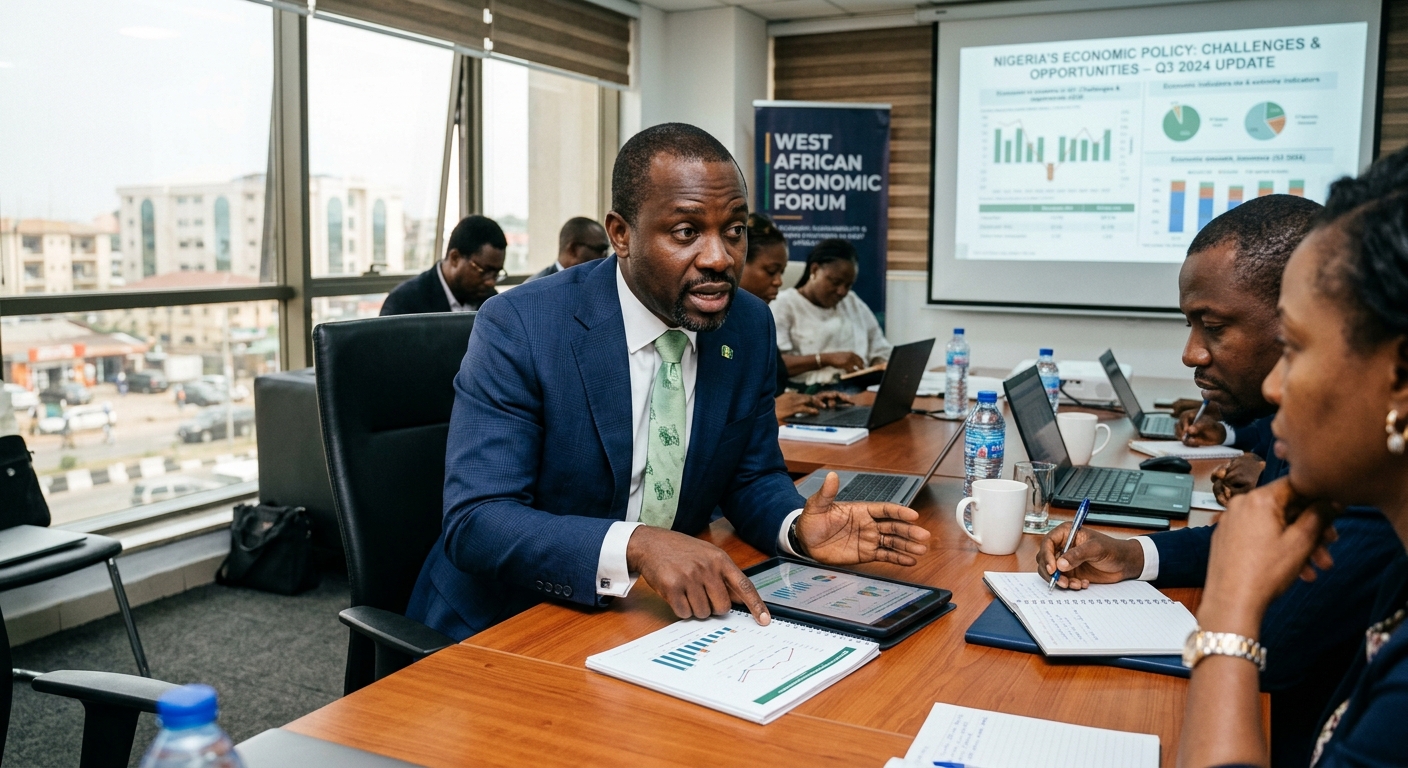
- Applicants should have a bachelor's degree with a minimum of a second-class lower division in Economics, Public Policy, Development Studies, International Development, Finance, or a related discipline.
- Applicants with lower academic qualifications will require a Postgraduate Diploma (PGD). (However, applicants without a postgraduate diploma (PGD) would need to demonstrate at least 3 years of work experience).
- Applicants from other academic backgrounds may be considered with a relevant PGD in Economics, Development Studies, Public Policy, Business Administration, or a related field.
- Applicants will also be required to submit their academic transcripts, CV, Statement of Purpose, and two reference letters.
- Applicants should have five O’Level credit passes.
Careers
Potential Roles for Master of Economic Policy Management (M.EPM) Degree Holders
- Economic Policy Analyst
- Economic Researcher
- Policy Adviser
- Development Economist
- Economic Consultant
- Public Sector Economist
- Financial Analyst
- Development Policy Specialist
- Economic Planning Officer
- Research and Policy Officer
Tuition
Payment Plans
Miva Open University offers a flexible payment plan for its degree programmes. You may choose to pay the year’s fee or per semester.
Tuition Per Semester
$320
- Pay Per Semester.
- No hidden charges.
- No additional costs.
Full Tuition
- Pay full tuition
- No hidden charges.
- No additional costs.
* Flexible payment options are available
FAQ
We’ve answered the most common questions prospective M.EPM candidates ask.
Is Miva Open University licensed by the NUC?
Yes. Miva Open University is a degree-awarding institution licensed by the National Universities Commission (NUC). All programmes, including the DPH, meet approved academic quality standards.
What is the Master of Economic Policy Management (M.EPM)?
The M.EPM is a postgraduate programme that develops advanced knowledge and practical skills in economic theory, policy analysis, quantitative methods, governance, and economic decision-making.
Who is the M.EPM programme designed for?
The programme is designed for economists, economic policy analysts, development policy professionals, international development professionals, civil servants, researchers, and other professionals interested in economic policy and management.
How long does the M.EPM programme take?
The programme is structured across three semesters, with a minimum duration of three semesters and a maximum of six semesters.
Can I specialise within the M.EPM programme?
Yes. Students can choose from seven specialisation tracks: Development Economics, International and Trade Economics, Financial and Monetary Economics, Energy and Petroleum Economics, Public Sector Economics, Environmental & Climate Change Economics, and Health Economics and Health Policy.
What are the entry requirements for the M.EPM?
Applicants need a bachelor’s degree in Economics, Public Policy, Finance, or a related field, with at least a second-class lower. HND holders with upper credit may also be considered. Applicants with lower qualifications or from non-economics backgrounds may require a PGD.
Do I need work experience to apply?
Work experience is required for candidates with a third-class degree who do not have a relevant PGD. Such candidates need at least five years of relevant professional experience. For other applicants, at least two years of relevant professional experience is preferred but not mandatory.
What will I learn in the M.EPM programme?
You will develop skills in economic analysis, policy design, econometrics, research, governance, quantitative methods, economic modelling, and evidence-based decision-making.
Is the programme fully online?
Yes. The M.EPM is delivered fully online, allowing students to study from anywhere without physical attendance.
How are assessments conducted?
Assessments include coursework, case studies, applied research tasks, and project-based evaluations focused on economic planning and policy challenges.
What career opportunities are available after the M.EPM?
Graduates can pursue roles such as economic planner, policy analyst, development economist, economic research analyst, public finance specialist, policy advisor, or development programme manager.
Can I work while studying the M.EPM?
Yes. The programme is designed for flexibility, allowing students to combine their studies with full-time or part-time work.
How much is the M.EPM tuition fee?
Tuition is structured to remain accessible while maintaining academic quality. Full fee details are provided during the application process.
What support will I receive as a student?
You will have access to academic resources, structured course materials, and dedicated student support throughout your programme, including guidance on coursework and assessments.
Can international students apply?
Yes. The M.EPM is open to both local and international applicants who meet the admission requirements.
What makes the Miva M.EPM different?
The Miva M.EPM combines economic theory with quantitative analysis, policy research, governance, and practical applications. It also allows students to specialise in areas ranging from development and international trade to energy, climate change, public sector economics, and health policy.