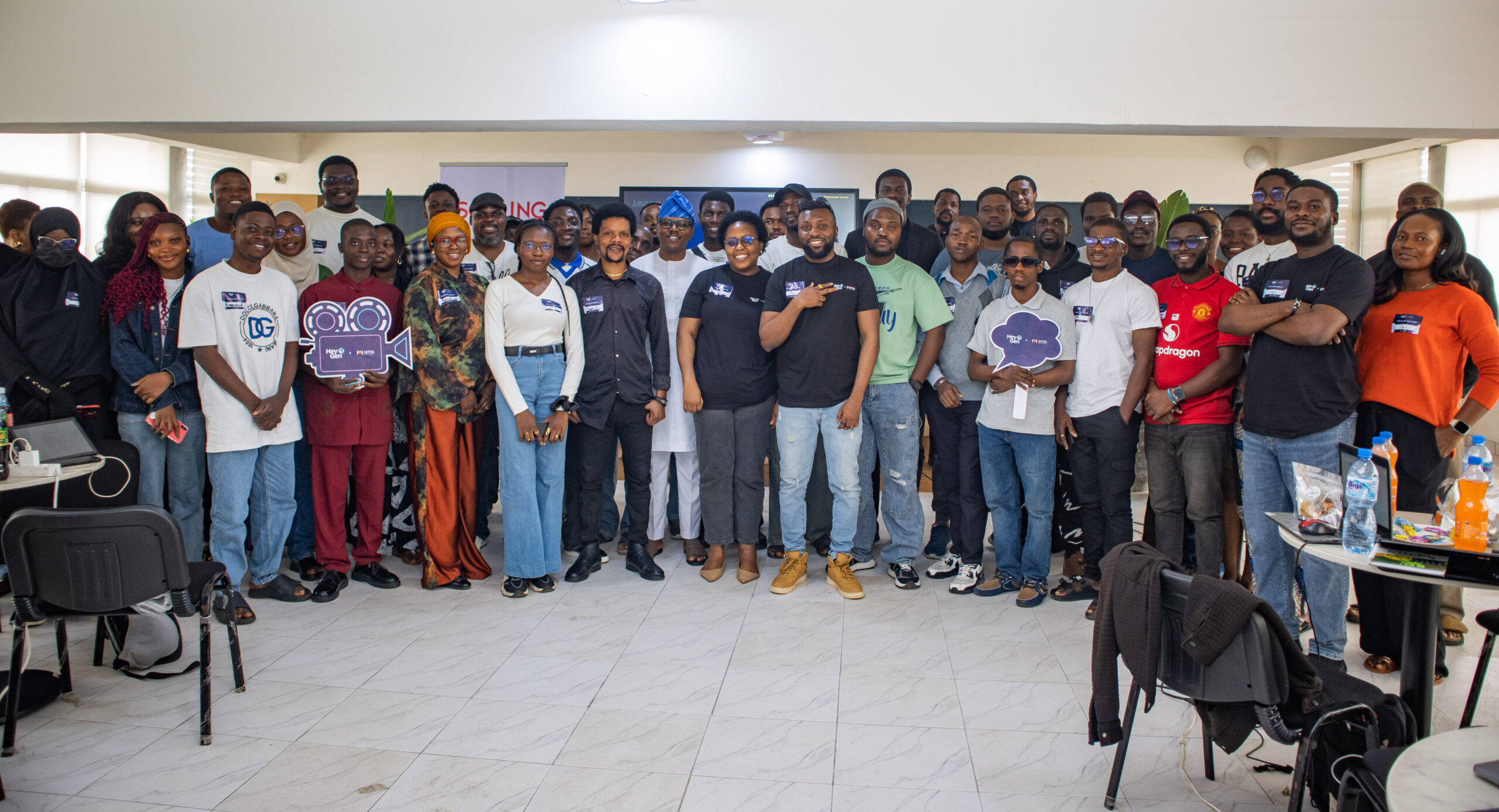
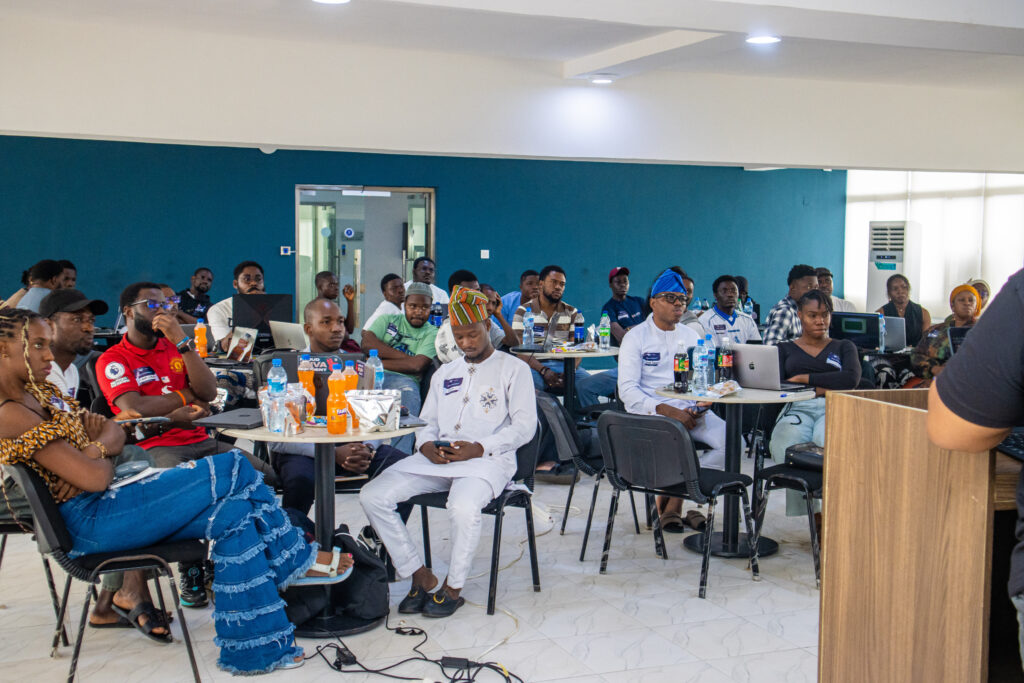
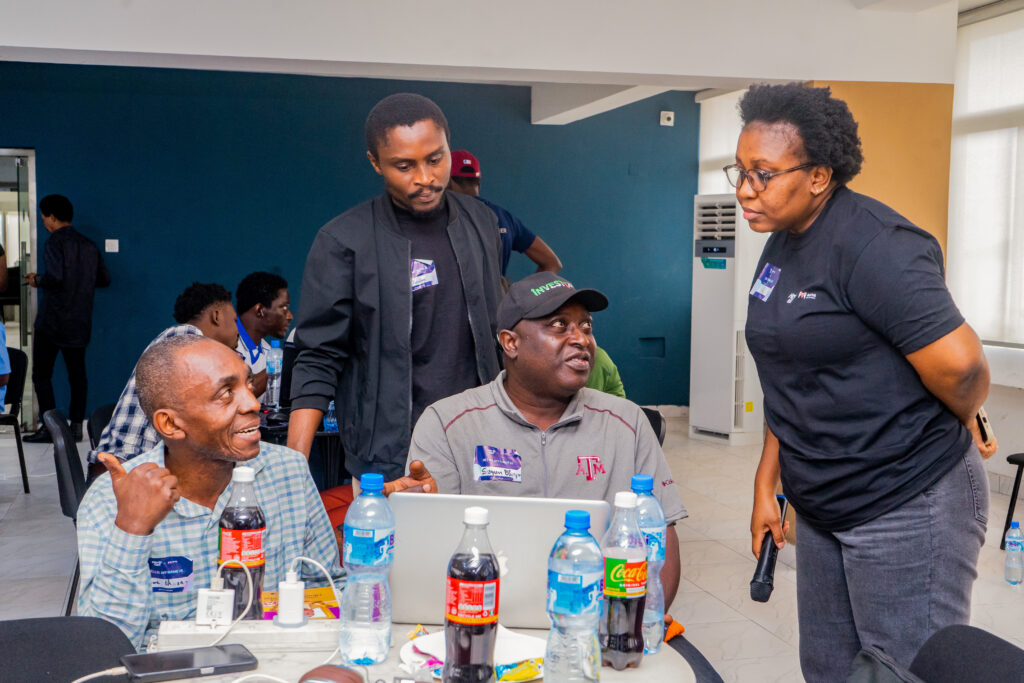
In August 2026, Miva Open University hosted Scaling Stories: AI Video for African Creators at our Lagos Study Centre in Yaba. The four-hour workshop brought together educators and content creators to learn how artificial intelligence (AI) can make creating videos easier, faster, and more accessible.
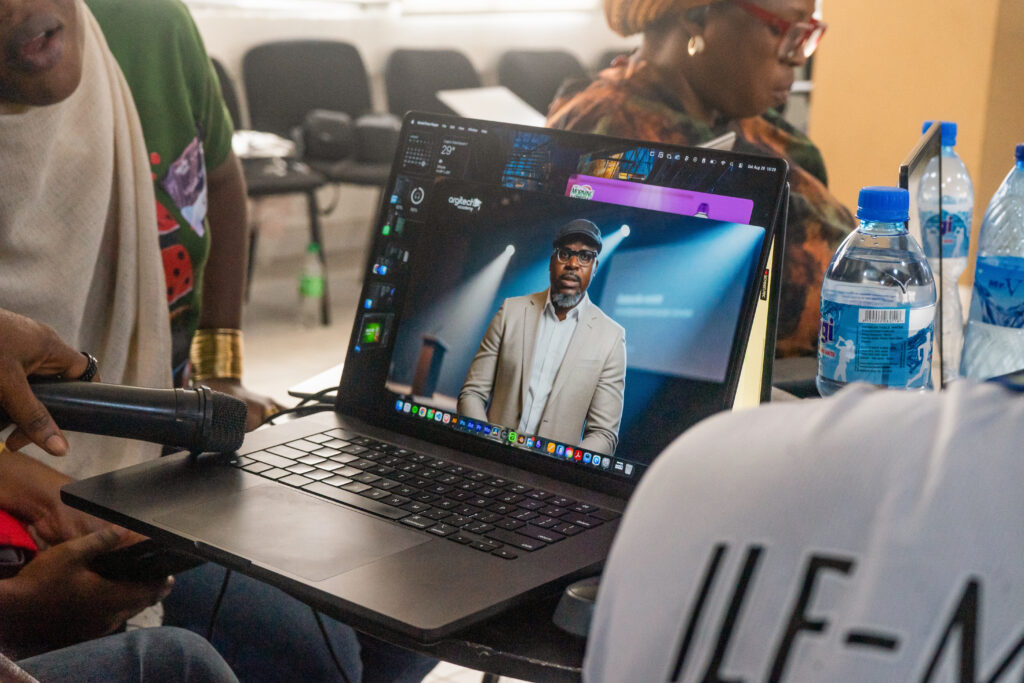
The event focused on HeyGen, an AI-powered platform that allows users to create videos featuring digital avatars. Through live demonstrations and hands-on activities, participants learnt how to use the tool to create educational videos and share their ideas with wider audiences.
In This Post
How Storytelling Has Changed Over Time
Chief Content Officer of the uLesson Group, AyoOluwa Nihinlola, kick-started the workshop with an overview of how people have shared stories over the years, from spoken stories and printed books to radio, television and videos on mobile phones.
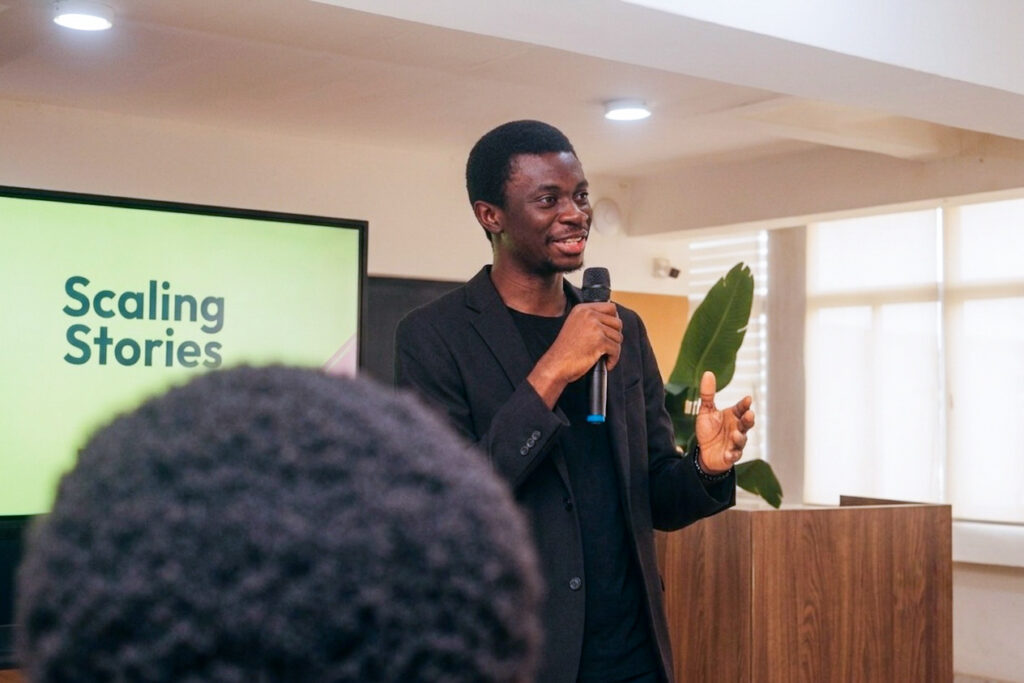
Each new form of media has created more ways for people to share their ideas. However, making videos regularly can still take time and effort. Creators often need recording equipment, a suitable location, time to film, and skills to edit their work.
The session introduced AI video tools as another way to make the process easier. With these tools, creators can produce videos using digital versions of themselves, without having to appear in front of a camera every time.
The discussion also explored how digital avatars could help people share information with more audiences. Participants were encouraged to consider how they could use the technology to tell their own stories and communicate their ideas.
What Is HeyGen, and How Can It Be Used?
Participants learnt about HeyGen, a platform that uses AI to help people create videos. The session explained how it works and how individuals and organisations can use its features.
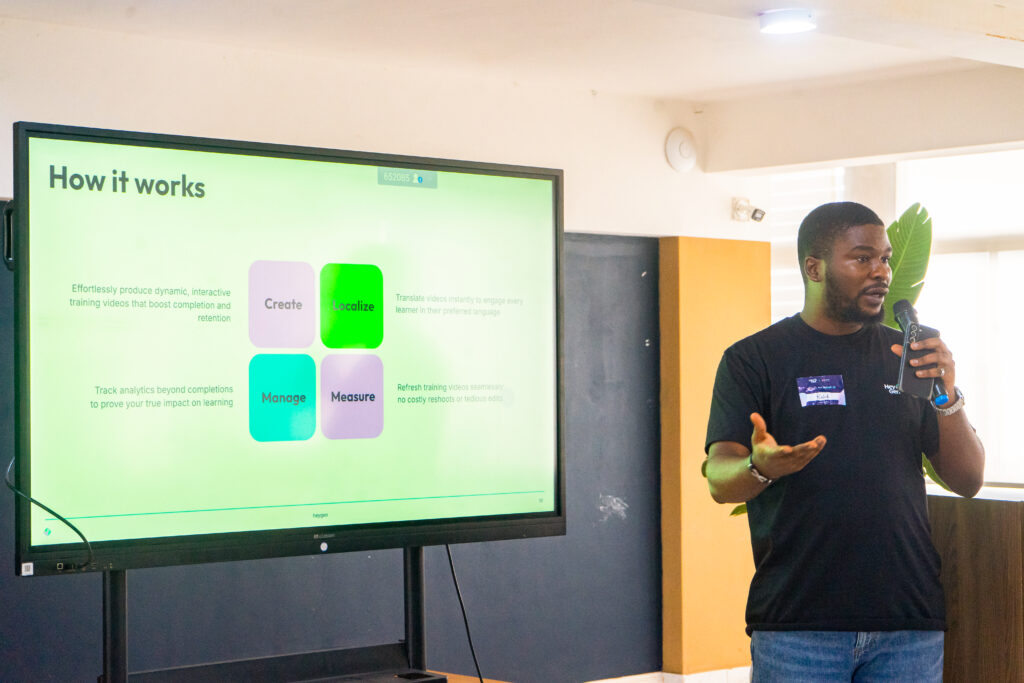
With HeyGen, users can create videos featuring digital avatars, make digital versions of themselves and translate video content into other languages. This can help creators reach people who speak different languages without having to record an entirely new video for every audience.
The workshop also explored how businesses and educators can use AI-generated videos in their work.
Businesses can create videos for staff training, new employee orientation, product demonstrations, customer updates, and social media. Educators can use them to explain lessons and develop learning materials that students can watch at a convenient time.
For African creators who may have limited time, equipment, or production resources, these tools offer another way to create and share useful content.
How Real Organisations Are Using AI Video
The showcase included practical examples of how businesses and creators have used HeyGen to address video production challenges.
One example was Reply.io, a sales engagement platform that used AI avatars to support its chief executive’s social media presence. This approach helped the team produce more videos without requiring the executive to record new content every day.
Another example was how travel platform Trivago used video translation technology to adapt advertisements for different markets. This showed how AI can help businesses create content for audiences in different languages while reducing the time and effort involved in traditional video production.
The workshop also explored examples from education and marketing, including an online cat education platform that used AI video tools to adapt existing course materials for international audiences.
Together, these examples showed how AI video tools can support different needs, from creating educational materials and maintaining a regular social media presence to sharing content with people in different parts of the world.
HeyGen’s Features and Creative Possibilities
Participants learned about some of HeyGen’s features and how to use them to create different types of videos.
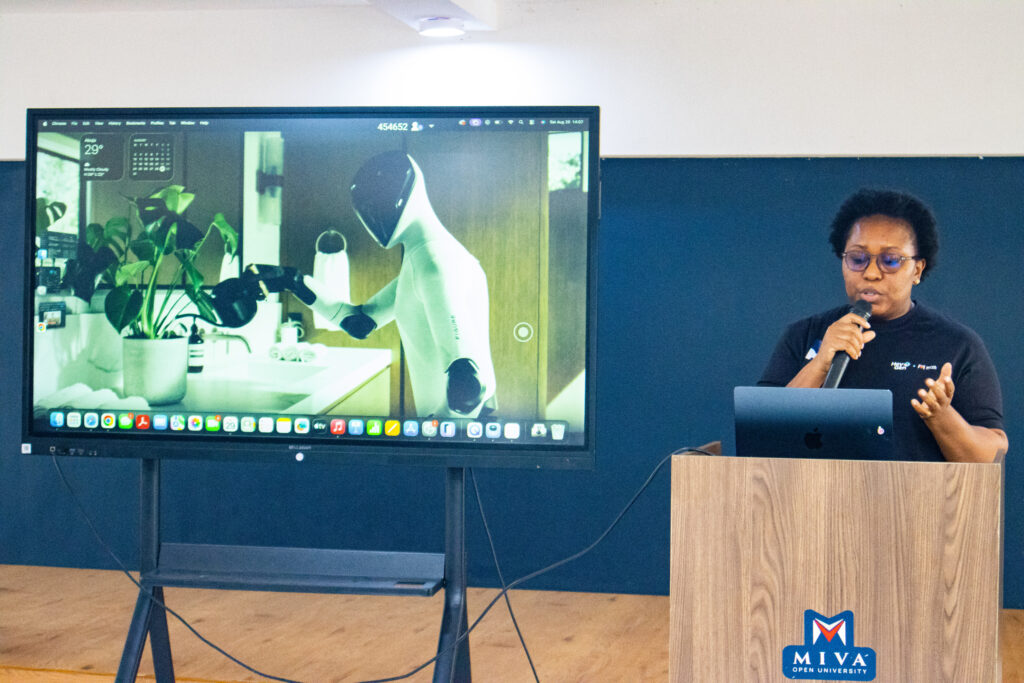
The session covered digital avatars, video translation, scene creation and options for changing how videos look. It also introduced tools such as Sora and Google Veo, which can generate video content, and explored how to use them to create backgrounds and scenes around digital avatars.
Other features included changing backgrounds, adjusting how avatars look and creating different video styles from a script or recording.
These tools give creators more options when producing videos for different audiences and purposes. They may also reduce the need to start from scratch each time. However, the results depend on the project, the quality required and how well the tools fit into the creator’s workflow.
The workshop moved from explaining the technology to showing participants how they could use it to create educational content.
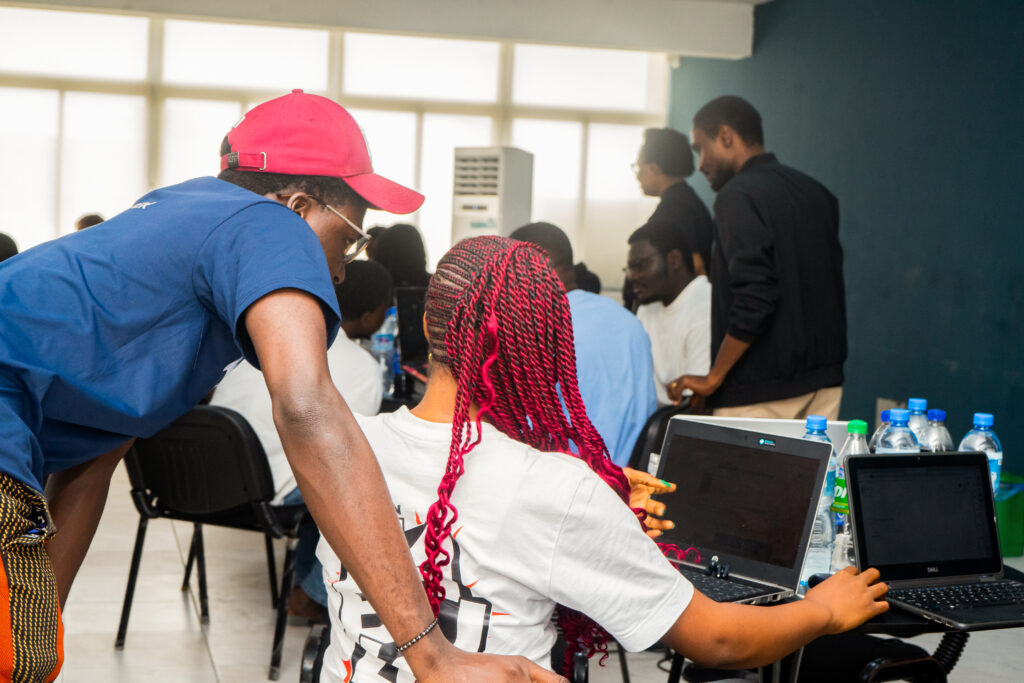
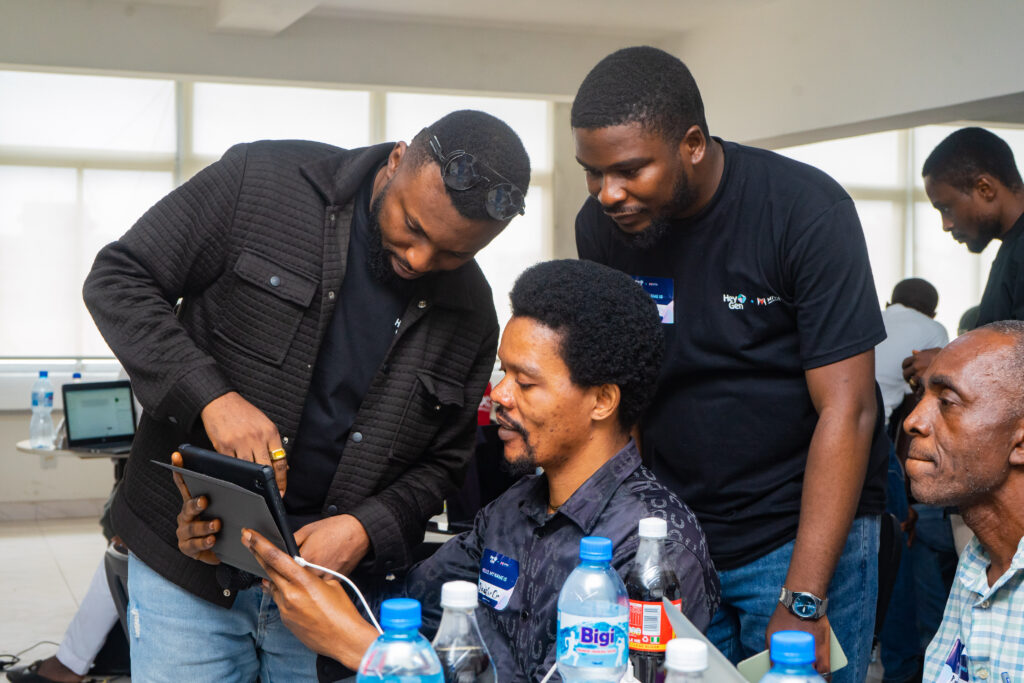
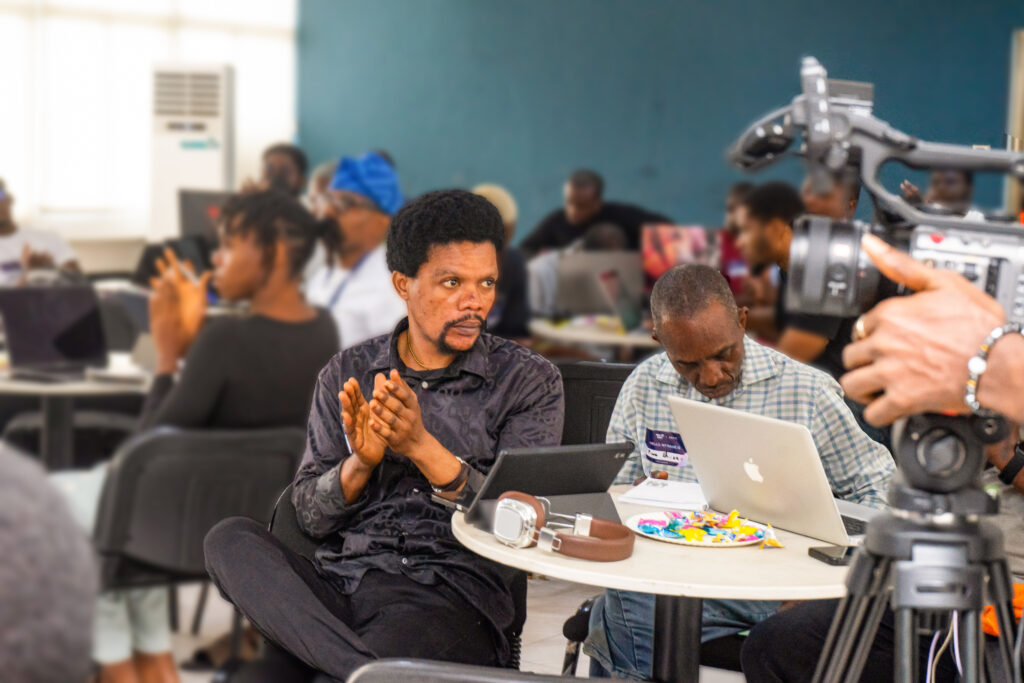
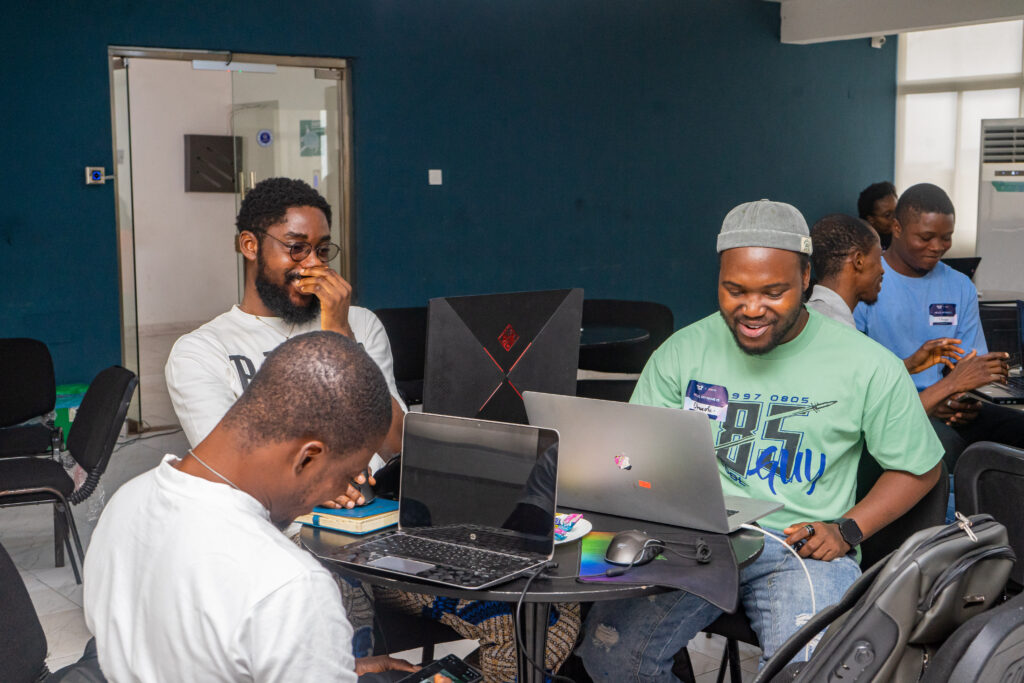
Participants took part in a 75-minute Avatar Creation Lab, where they recorded video samples that could be used to create their own digital avatars and voices.
The exercise gave attendees an opportunity to work directly with the technology and learn how a digital version of a person could be used to create videos.
Presenting Projects at the Open Showcase
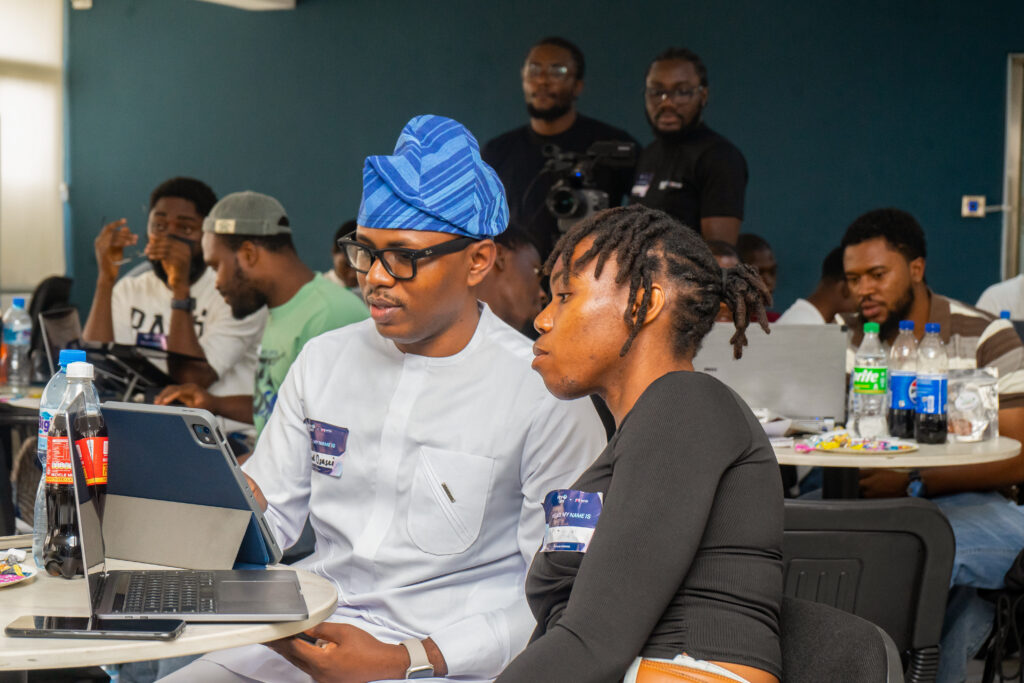
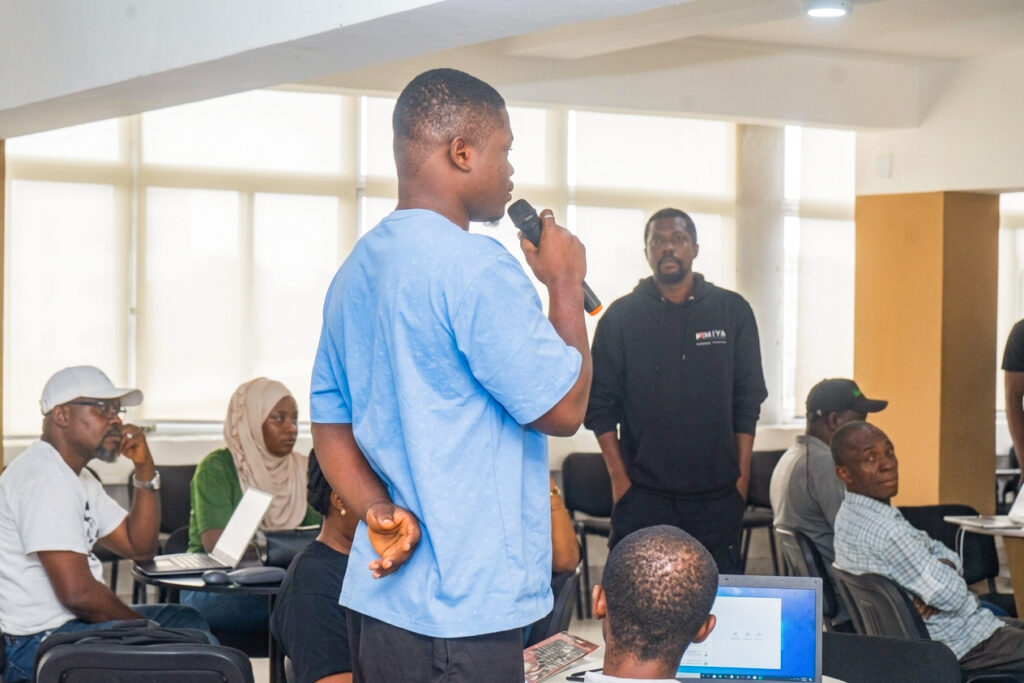
The workshop ended with an open showcase, where participant teams presented the AI video projects they had created during the event.
The presentations gave attendees an opportunity to share their work and see how others had used the tools. They also demonstrated how AI video technology could be applied to different educational and creative projects.
Conclusion
Scaling Stories: AI Video for African Creators gave participants the opportunity to learn about AI video tools, explore how organisations use them, and practise creating their own content.
As AI tools continue to develop, knowing how to use them can help creators find better ways to produce and share content. The goal is not simply to make more videos but to communicate ideas clearly and create content that meets the needs of different audiences.