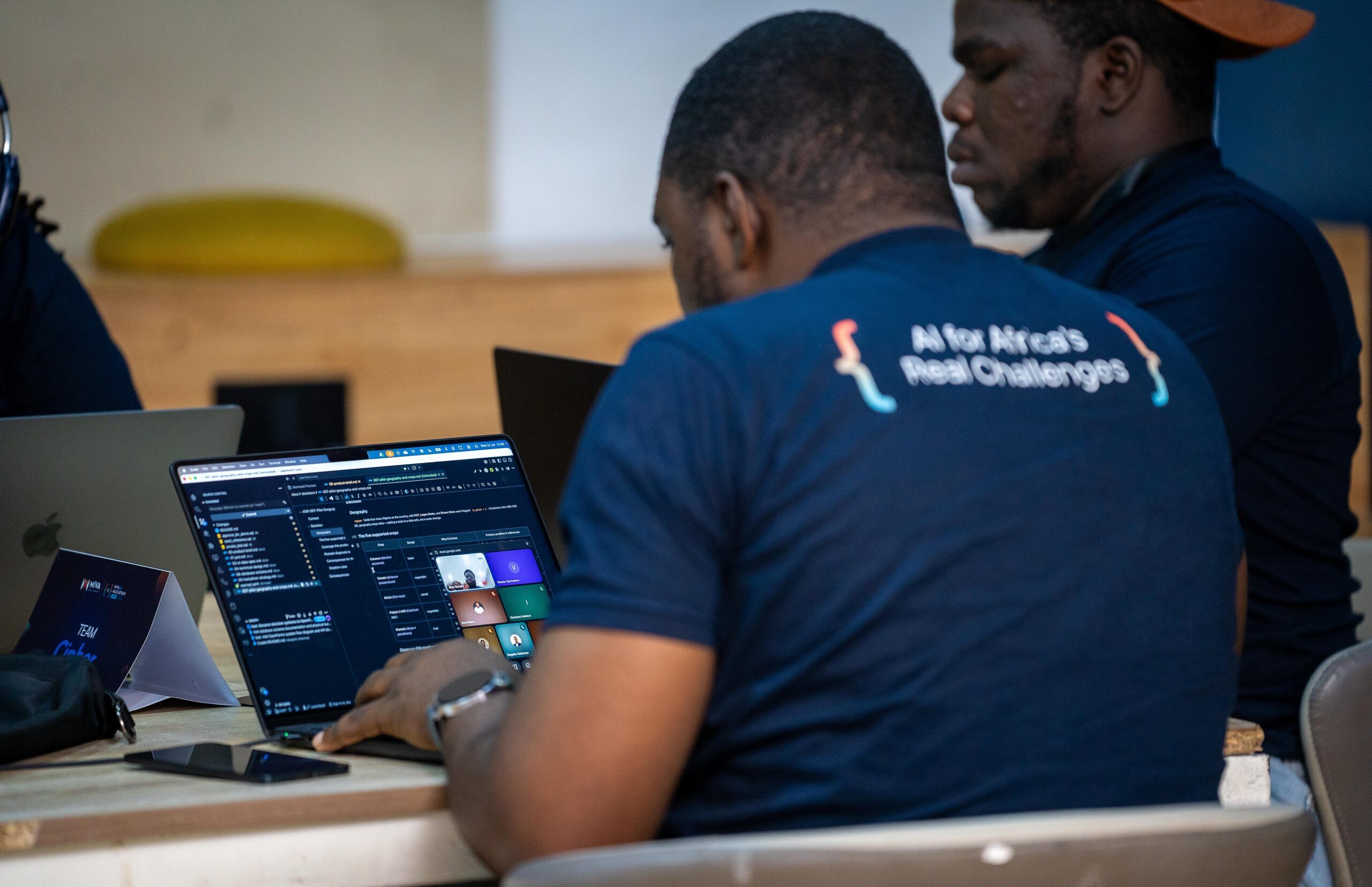
When students are given three days, a big problem, AI, and the freedom to build, what happens?
At the Miva AI Hackathon 2026, the answer was five very different AI-powered solutions.
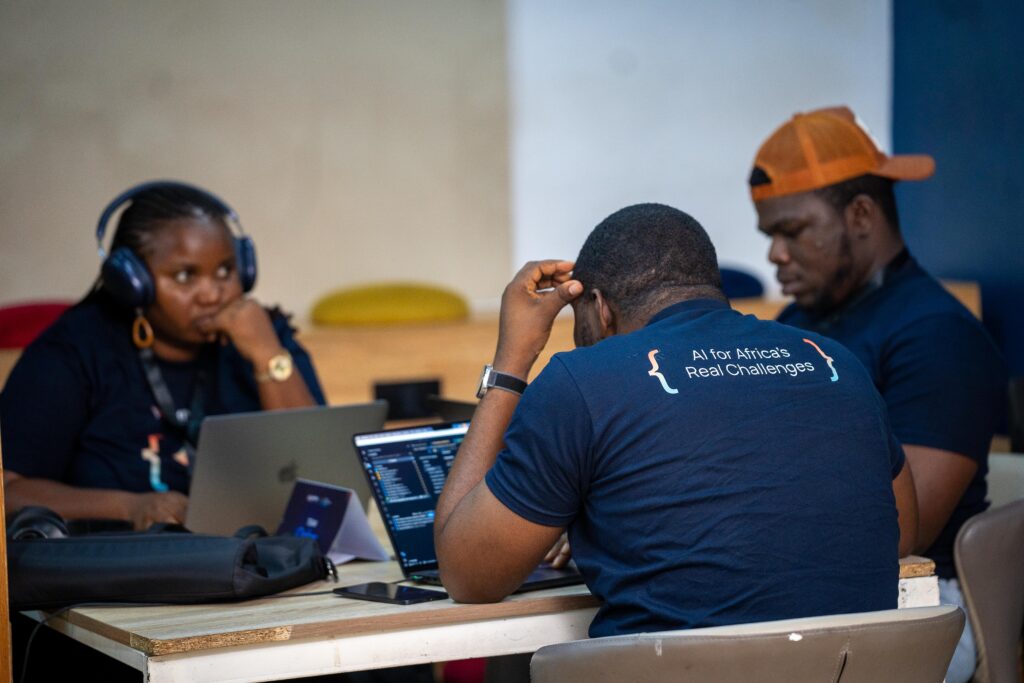
Held under the theme “AI for Africa’s Real Challenges”, the hackathon brought Miva students together to tackle problems affecting people across Africa. From healthcare and agriculture to employment, the 5 teams at the Miva AI Hackathon 2026 focused on challenges that exist beyond the world of technology.
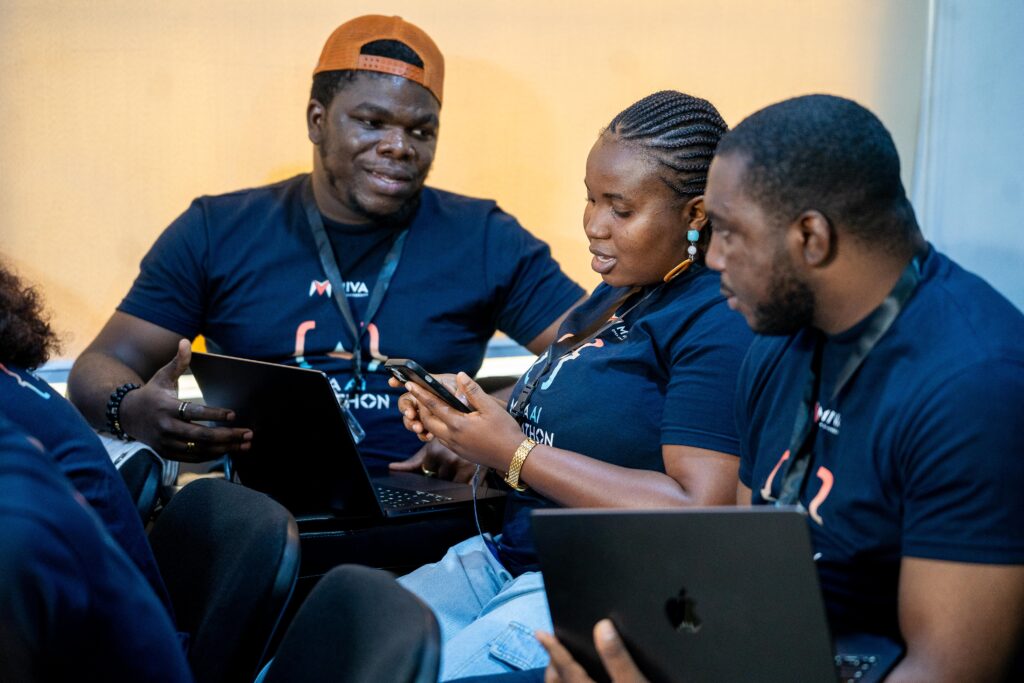
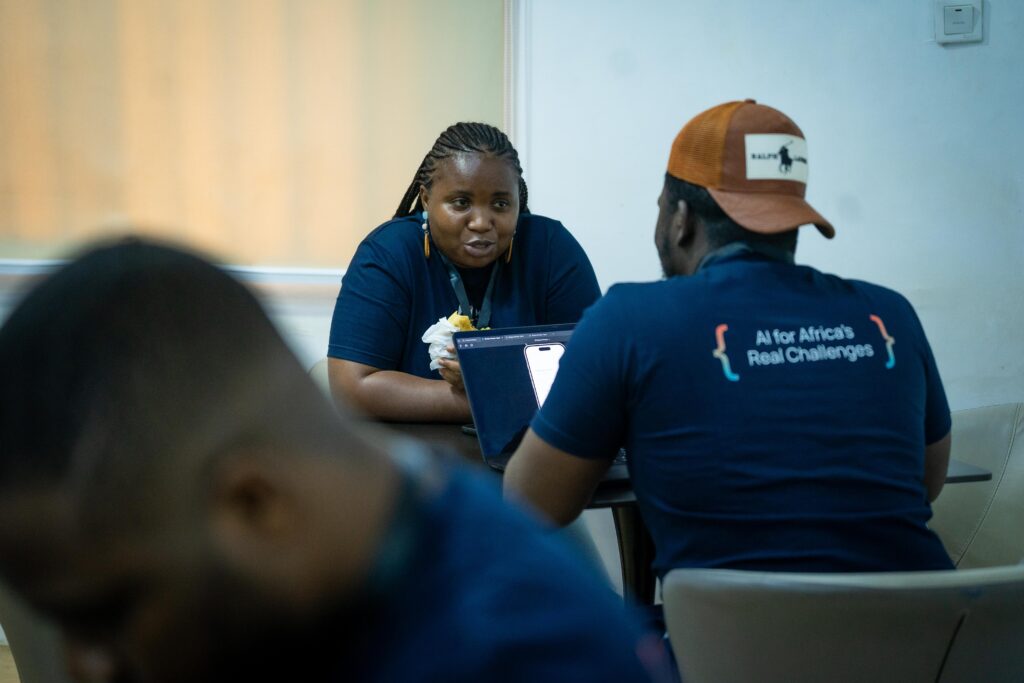
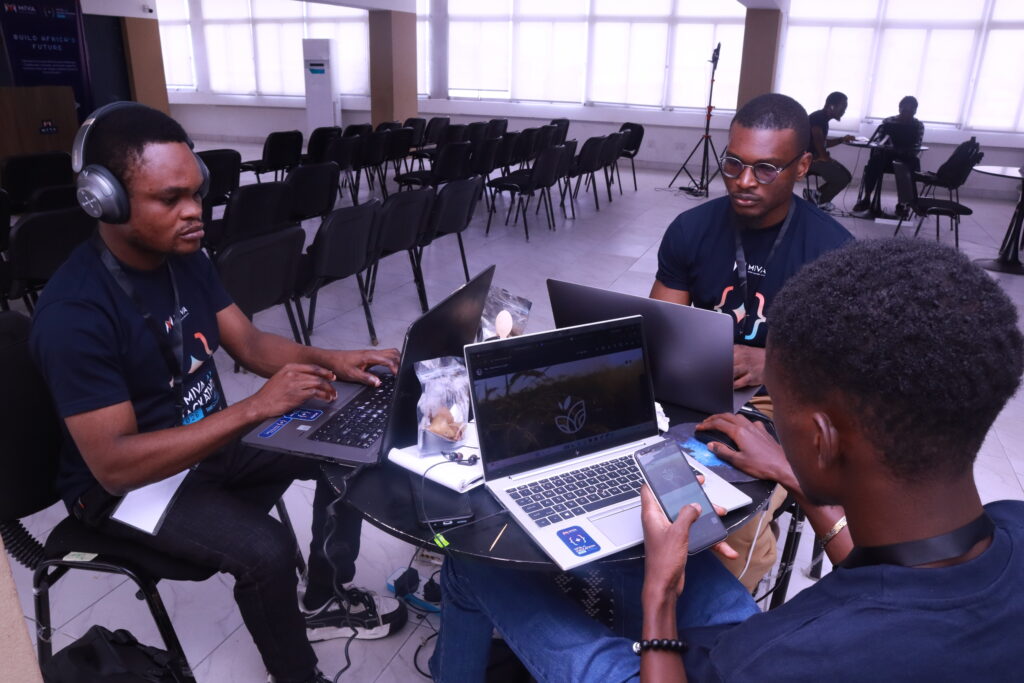
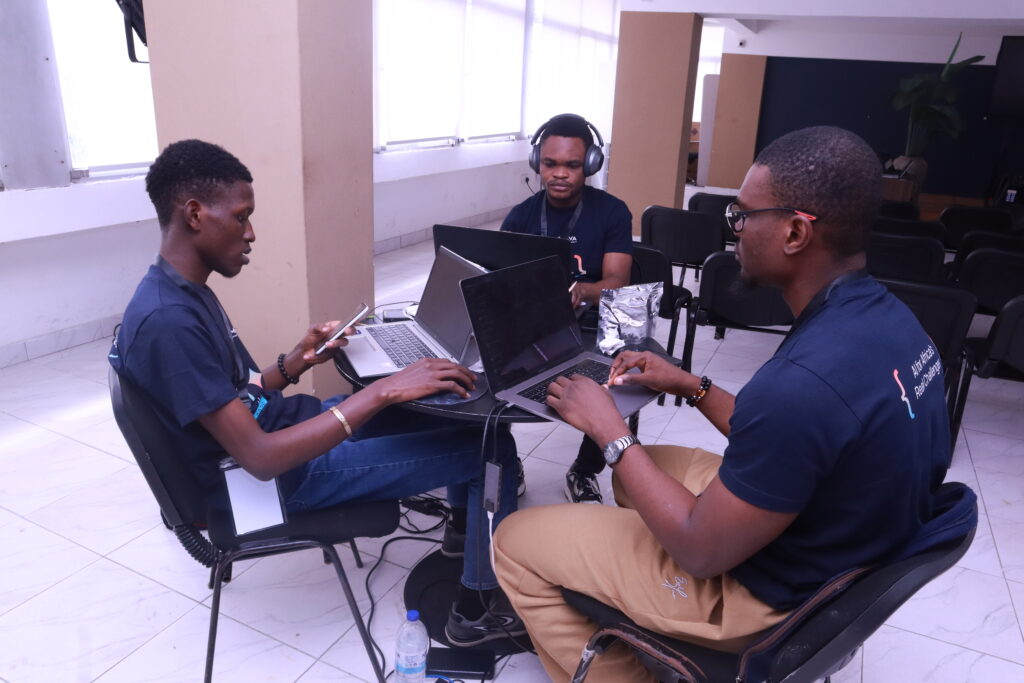
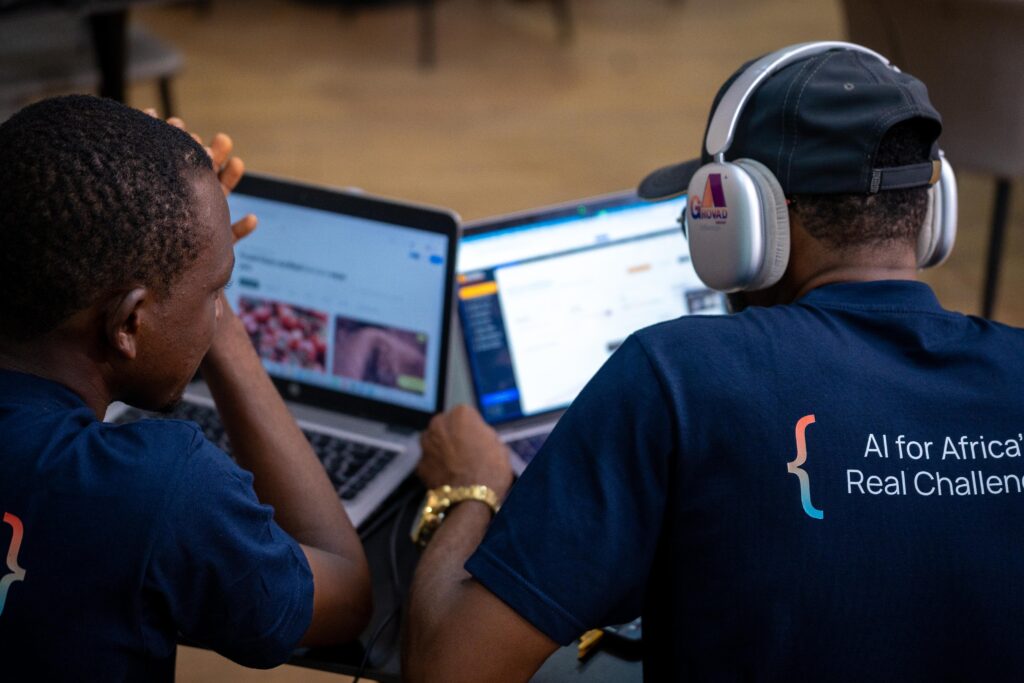
Over three days, participants learnt from industry experts, worked with mentors, built prototypes, and presented their ideas to a panel of judges. The event highlights from the Miva AI Hackathon 2026 captures everything that happened.
But what did the teams actually build?
In This Post
The 5 Teams at the Miva AI Hackathon 2026 and Their Projects
1. Team Vector: MedLink
Healthcare systems can get overwhelmed quickly. When patients are seen based mainly on when they arrive, someone with an urgent condition may end up waiting behind several less critical cases.
That is the problem Team Vector set out to address with MedLink.

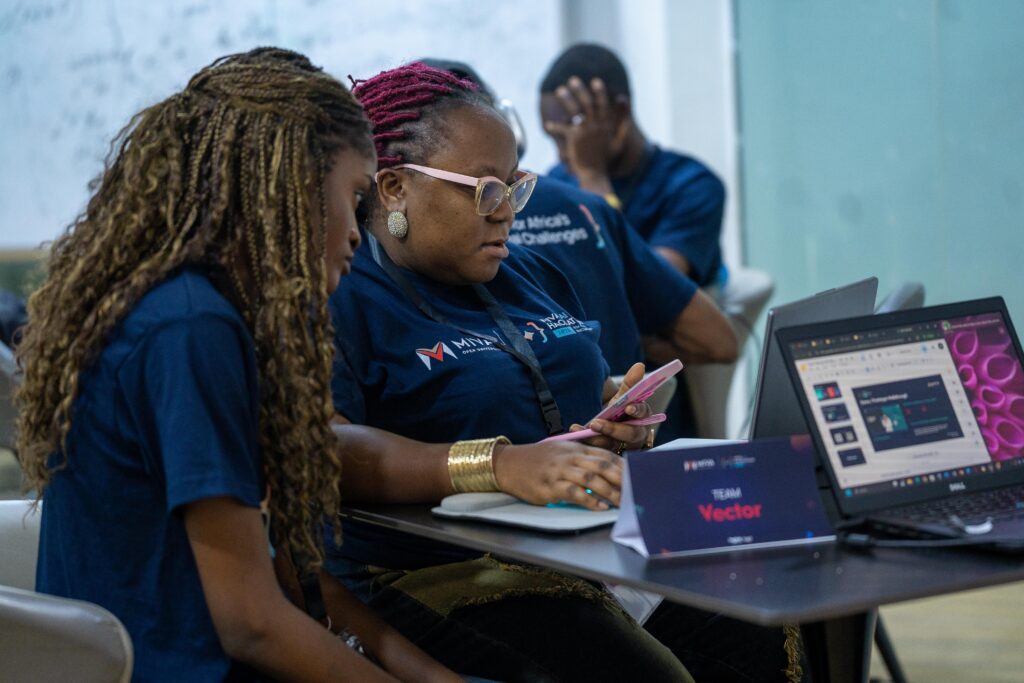
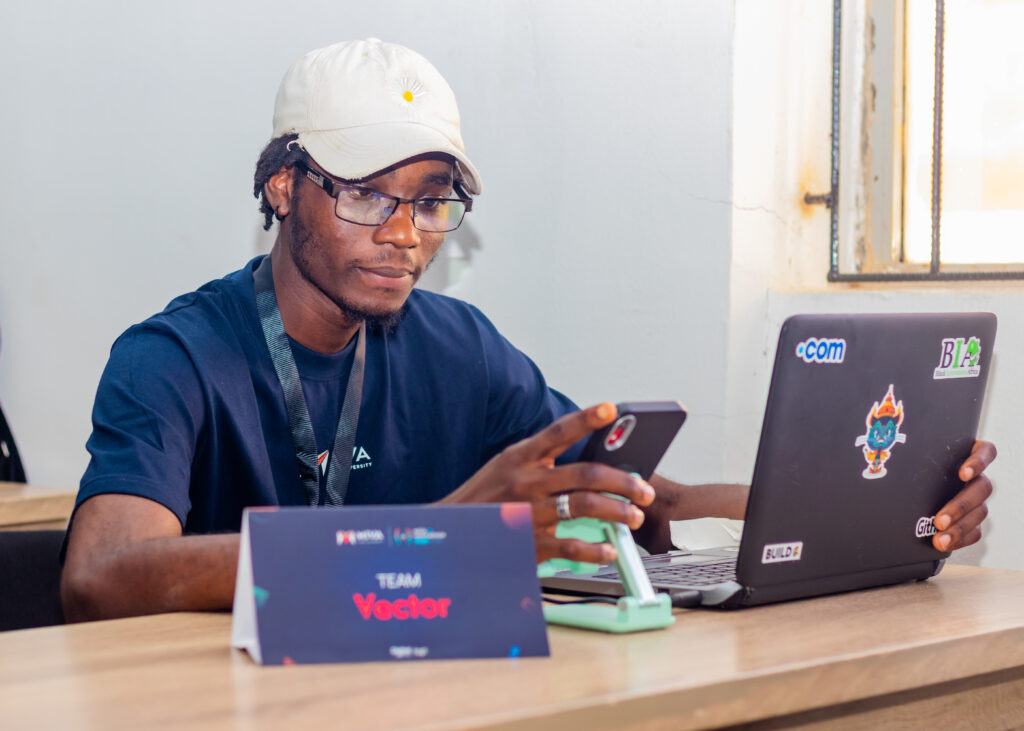
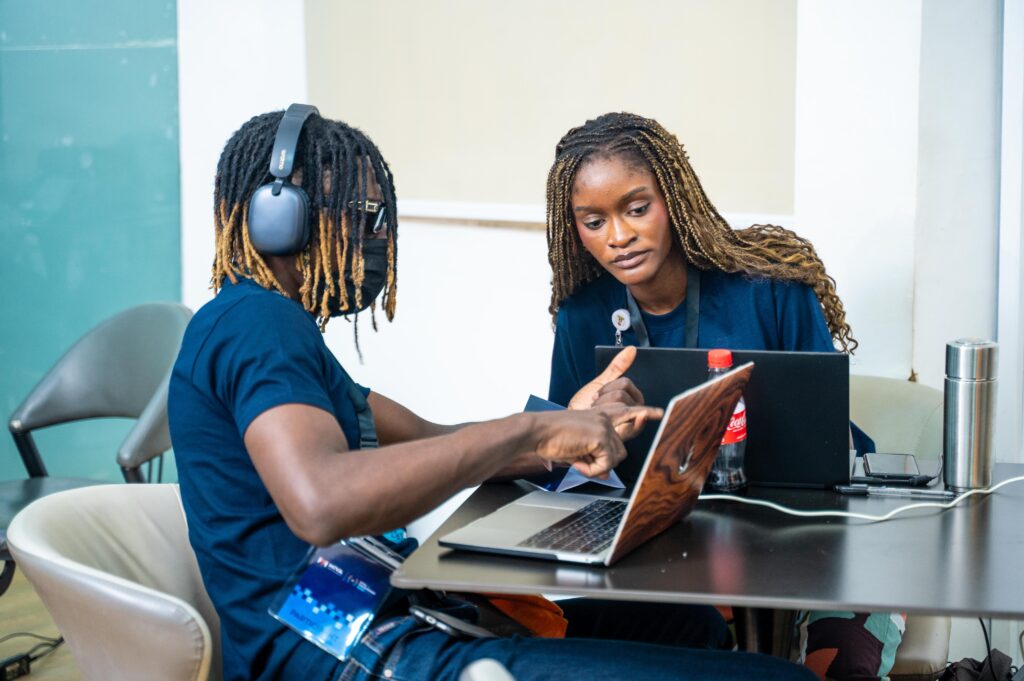
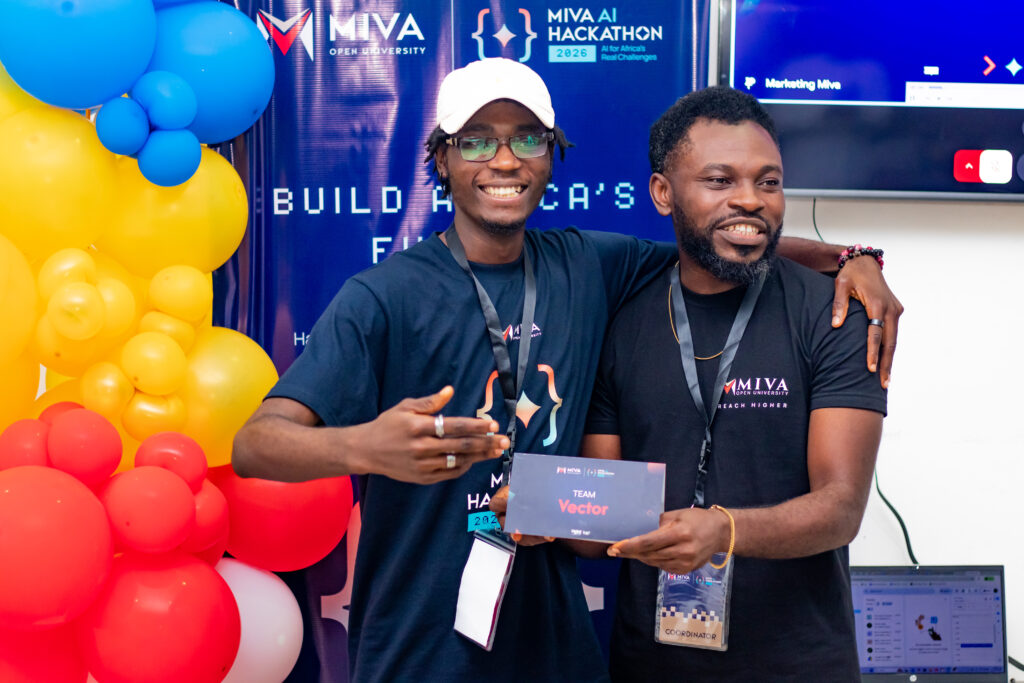
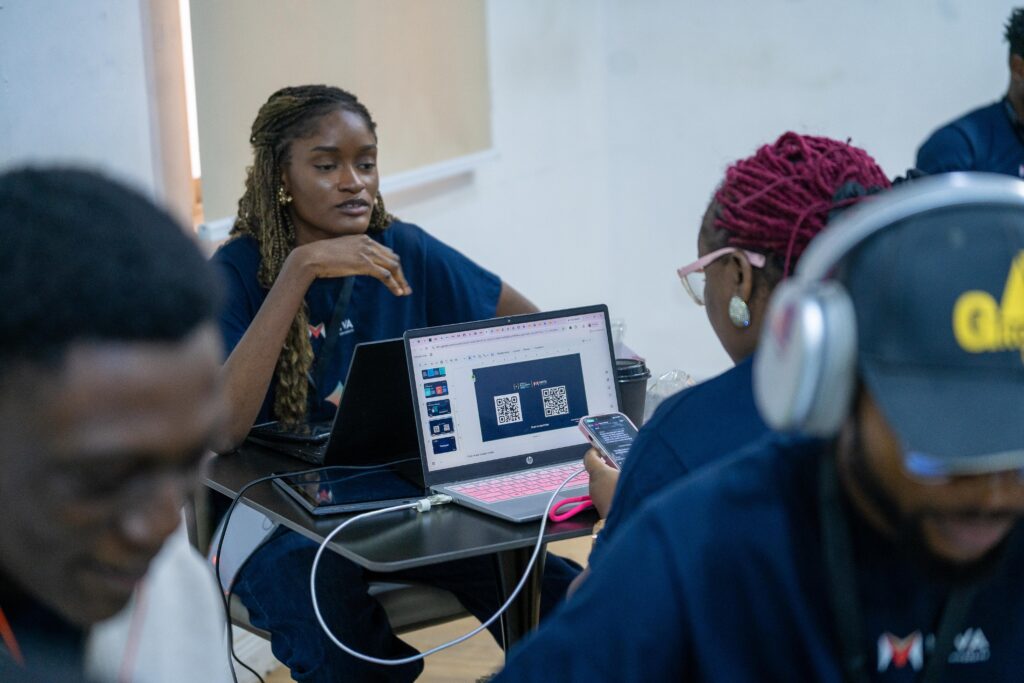
MedLink is a WhatsApp-based AI tool that helps collect and organise information from patients before they see a doctor. Instead of asking patients to download a new app, they can start the process through WhatsApp.
The AI interviews the patient in plain language and turns their responses into a structured report for a doctor. It also helps prioritise cases based on urgency rather than simply the order in which patients arrive.
The system uses the Gemini API for the AI interview and report generation, with a separate red-flag system checking messages first. Importantly, MedLink does not attempt to diagnose patients. A licensed doctor remains responsible for clinical decisions.
The team also designed a dashboard for doctors and explored features such as multilingual support and secure patient records.
The goal is simply to reduce waiting time for critical patients and to help the doctor spend more time on making clinical decisions.
2. Team Cipher: OpenFarm
Agriculture is another area where access to the right information can make a huge difference.
Team Cipher built OpenFarm, an AI-powered agricultural platform designed to support farmers throughout the farming cycle.
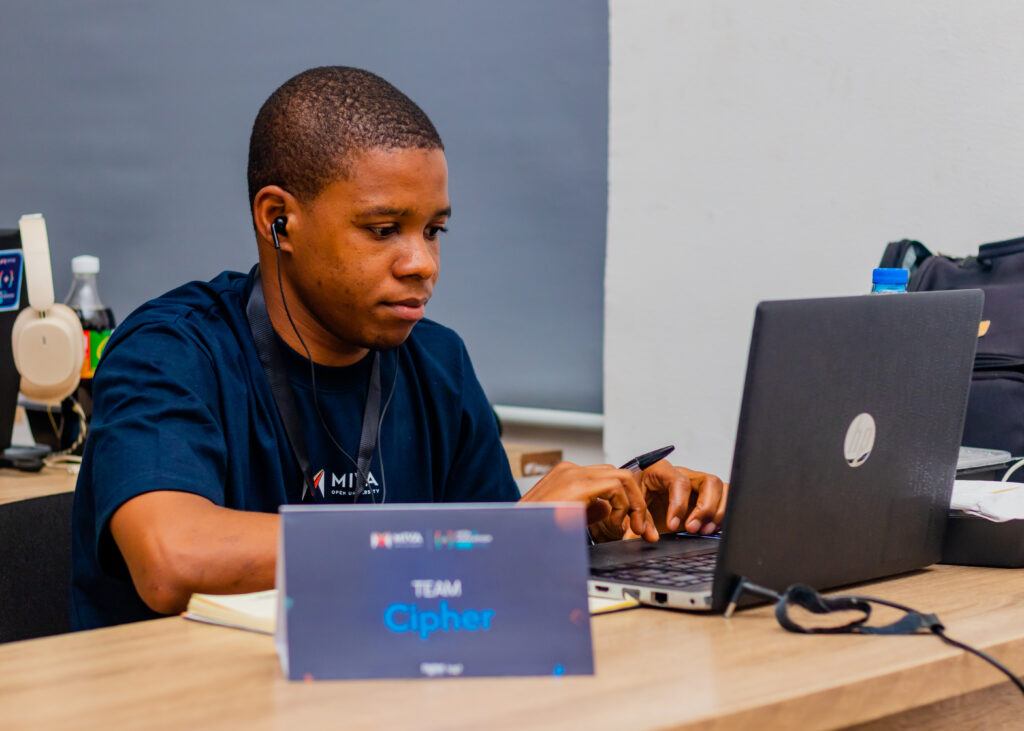
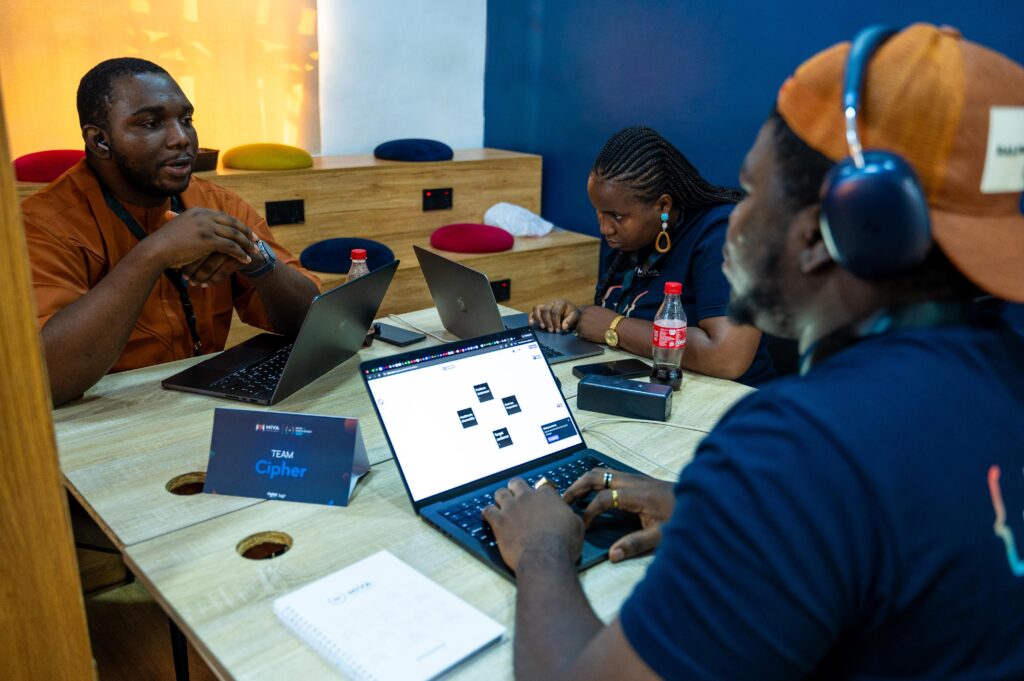

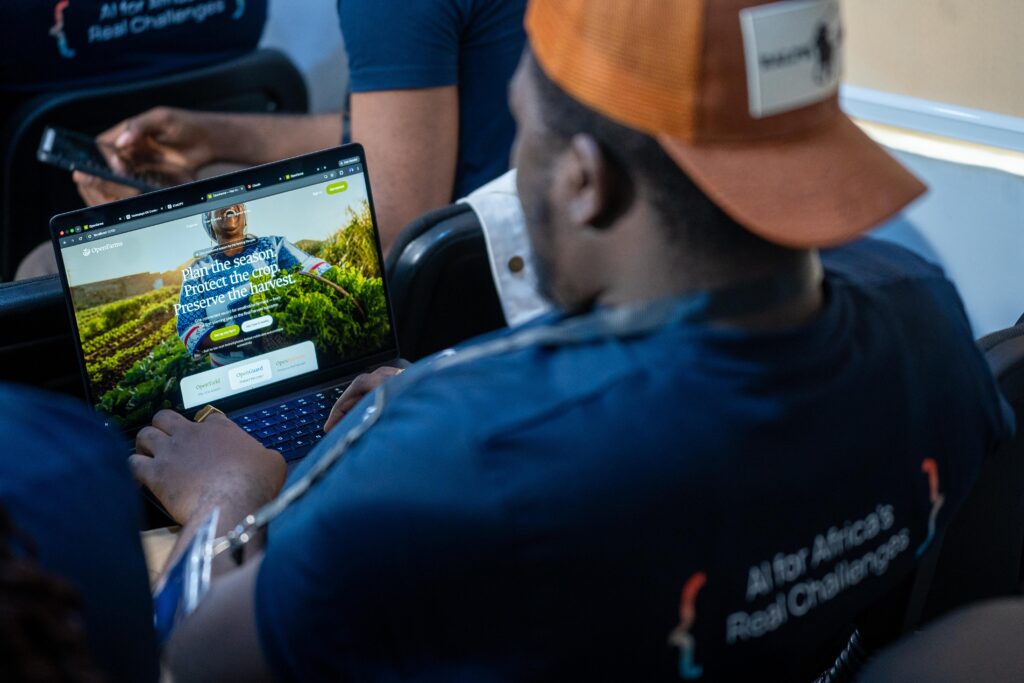
The team identified a major problem: farmers can struggle to access timely advice on everything from planting and crop health to harvesting and storage. Existing digital tools may provide generic recommendations without considering factors such as location, weather, soil, available resources or the stage of a crop.
OpenFarm takes a different approach.
Farmers can provide observations, crop information, sensor data, or images of their plants. The platform combines this information with crop history and local weather data before using its AI systems to provide practical guidance.
One of its features allows farmers to upload images of plants like tomato and maize leaves for disease analysis. The platform also includes tools for planting decisions and post-harvest storage.
Another important part of the project is its offline-first approach. OpenFarm was designed with low-connectivity rural environments in mind, rather than assuming that every farmer has reliable internet access.
Its three main components are OpenYield, which supports planting decisions; OpenGuard, which focuses on crop health; and OpenHarvest, which supports storage and post-harvest planning.
The idea is to give farmers useful information when they need it, from the beginning of the season to after the harvest.
3. Team Vertex: Huzzler
Getting a first job can be difficult for one simple reason: many employers want experience, but you need a job to gain that experience in the first place.
Team Vertex built Huzzler to tackle this problem.
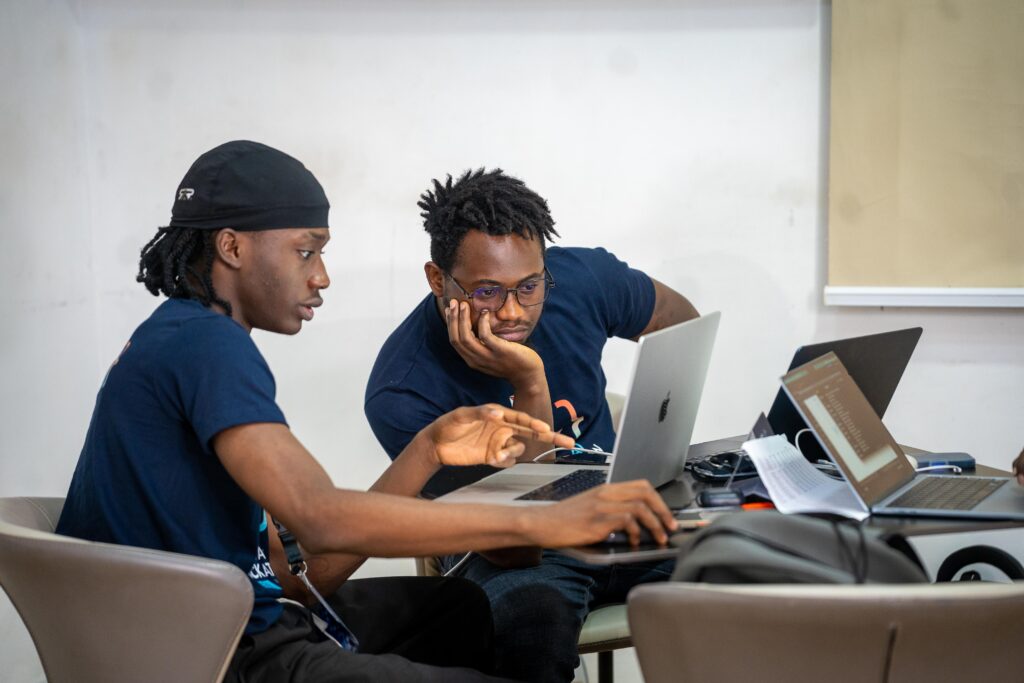
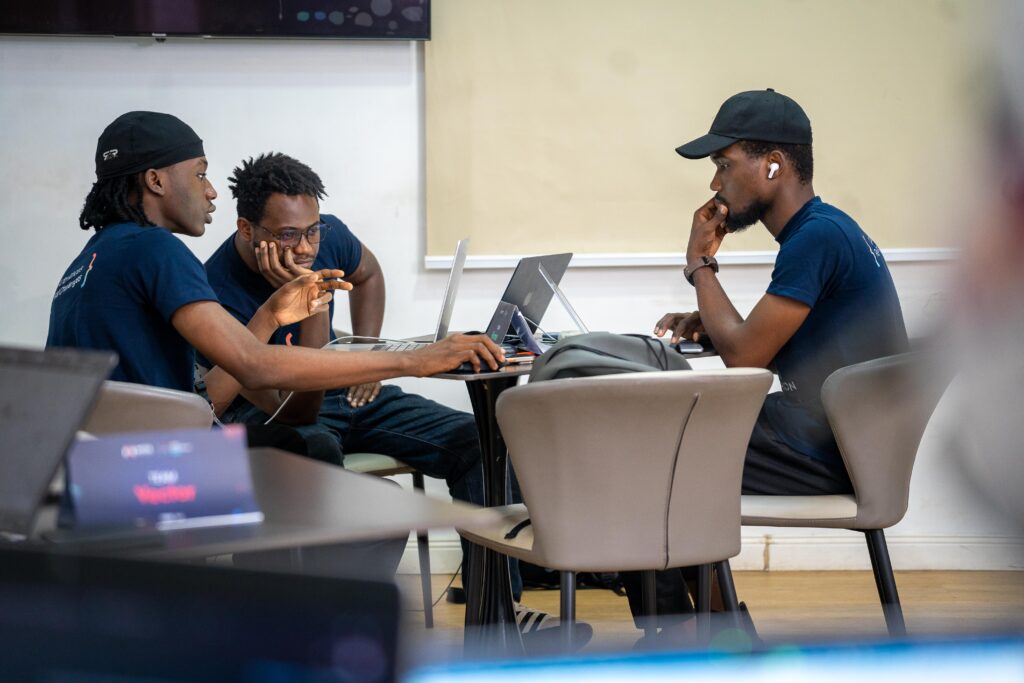
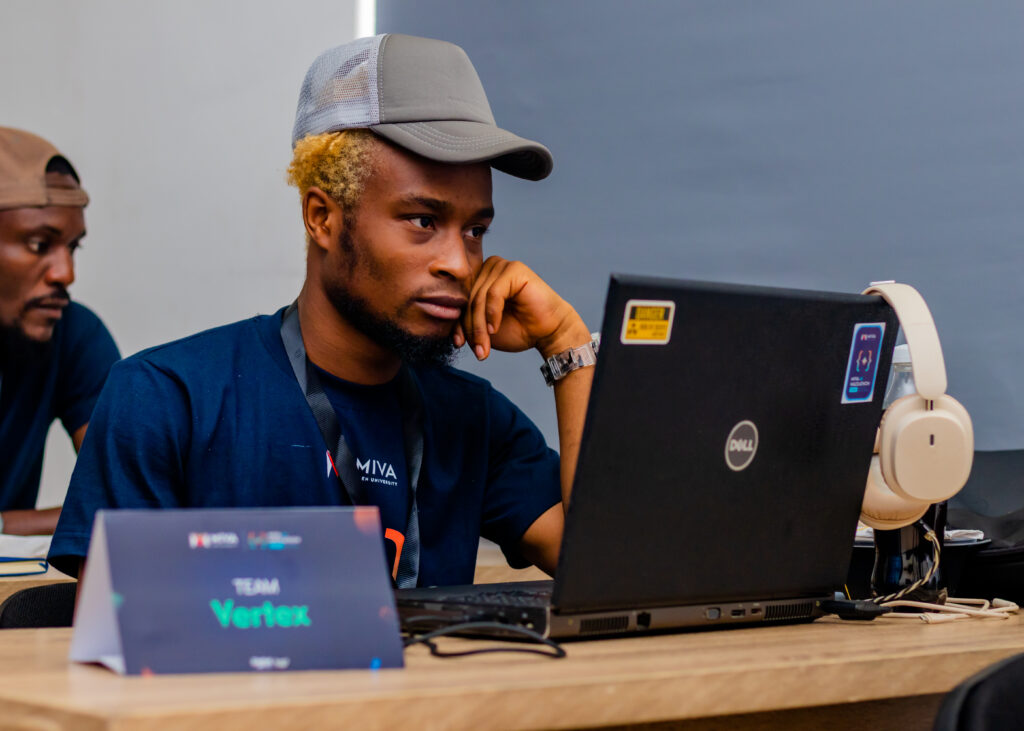
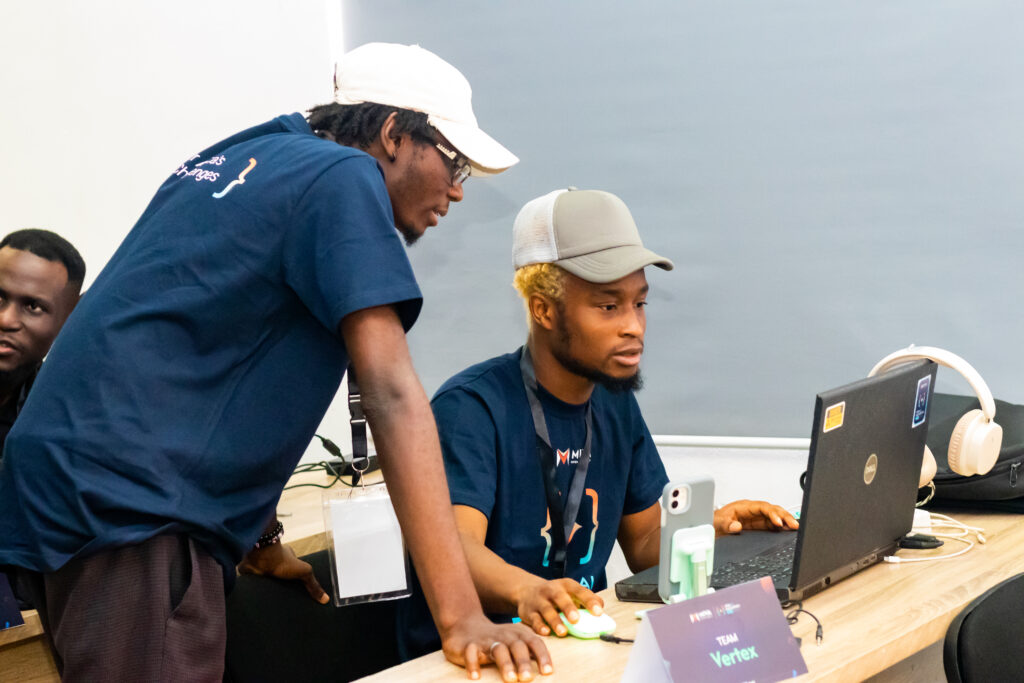
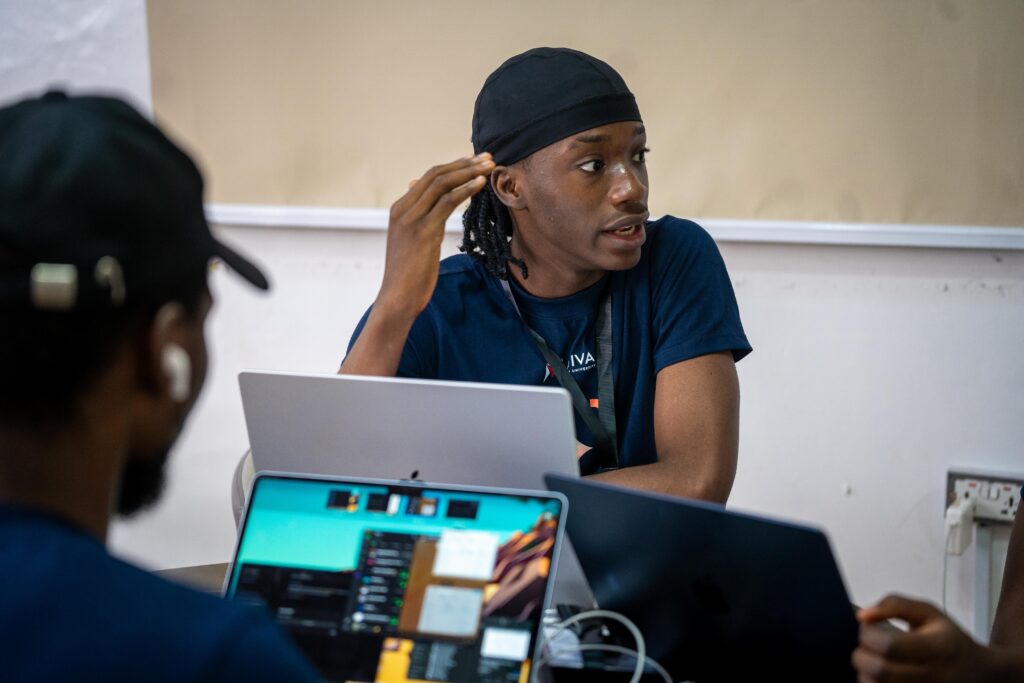
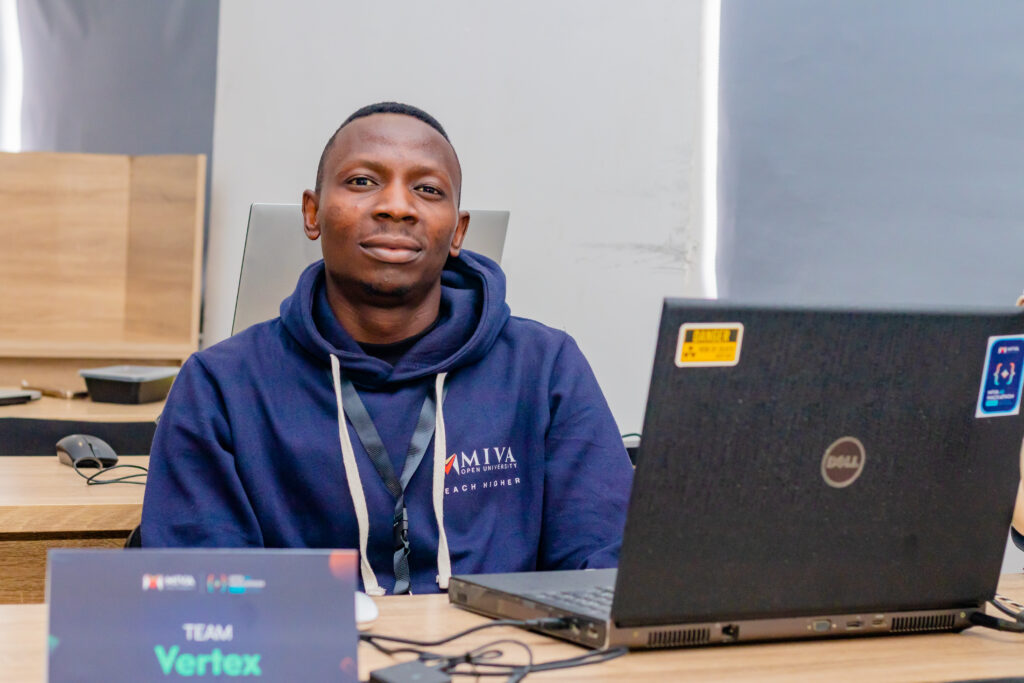
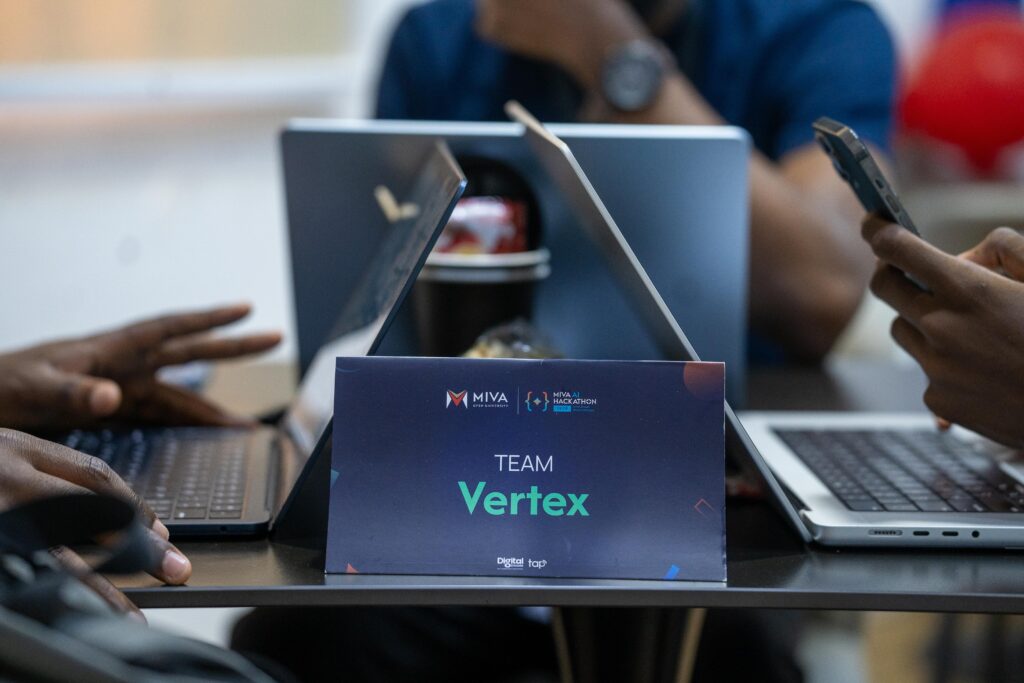

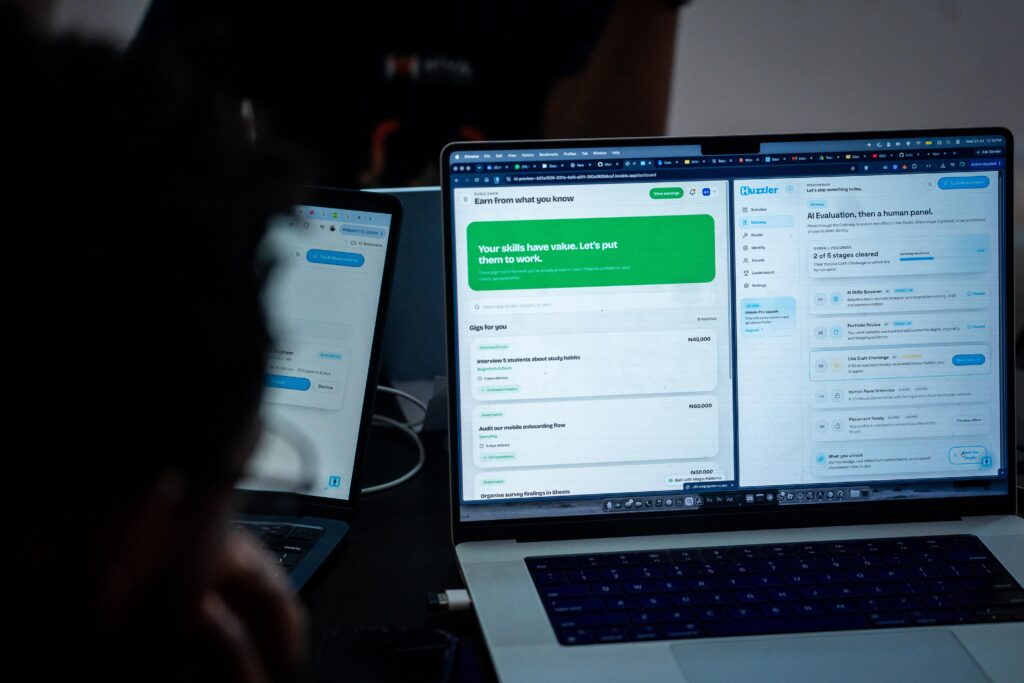
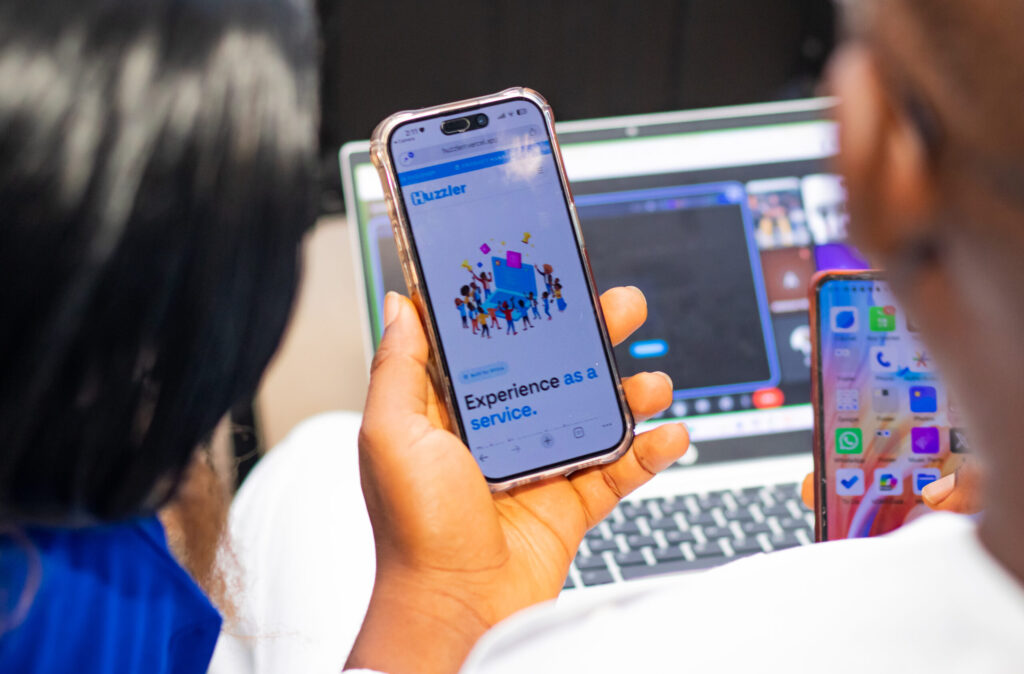
The platform is designed for recent graduates, self-taught young people, and early-career professionals who need a way to demonstrate what they can actually do.
Instead of relying only on CVs, Huzzler gives users practical projects to complete. Successful projects can earn verified skill badges, which can then become part of their professional profile.
The platform is organised around three areas: LEARN, CONNECT and EARN.
LEARN gives users practical, real-world tasks. CONNECT helps them build a professional profile and network. EARN creates opportunities to find paid freelance work and job opportunities.
AI plays a central role in assessing project submissions, providing feedback, scenario building, and recommending areas for improvement. The team described the concept as “Experience as a Service”—giving people a way to build evidence of their abilities before they have a long employment history.
It is an attempt to shift the question from “Where have you worked?” to “What can you do?”
4. Team Matrix: SpatialCare
Sometimes the problem is not that a healthcare service does not exist. It is that people do not know they can access it.
Team Matrix focused on this gap with SpatialCare, an AI-powered platform designed to help Nigerians understand their healthcare entitlements under the Basic Health Care Provision Fund (BHCPF).




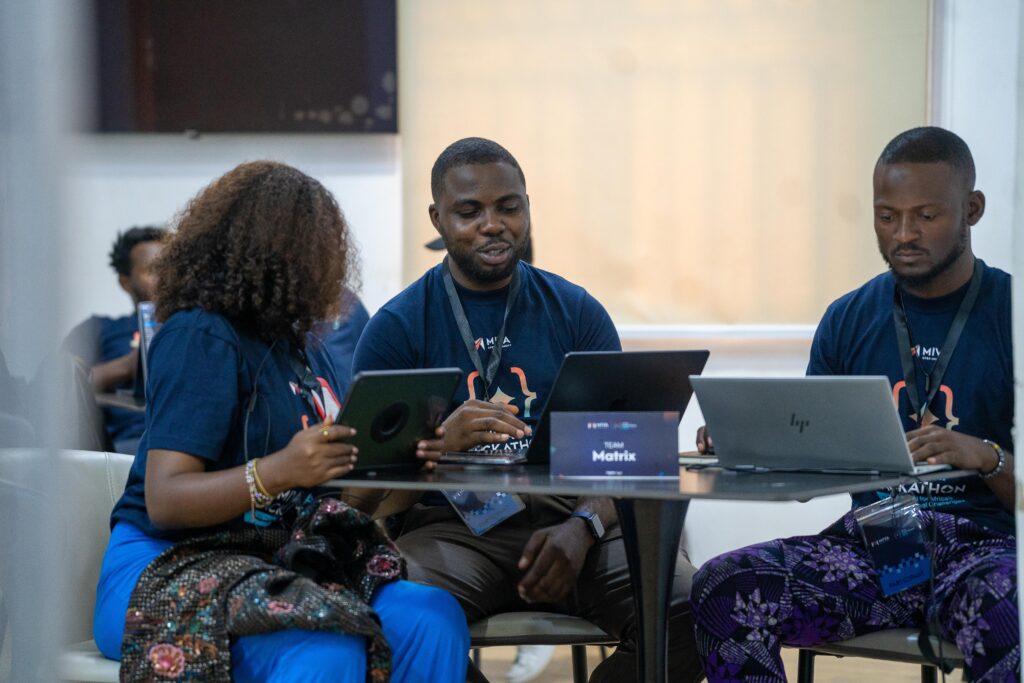
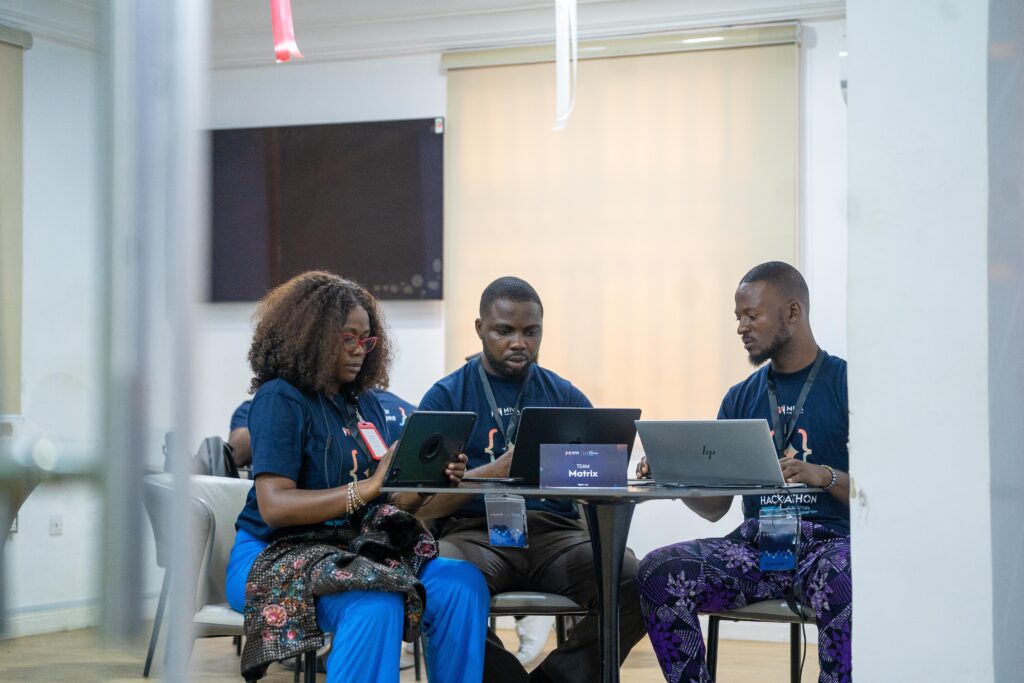
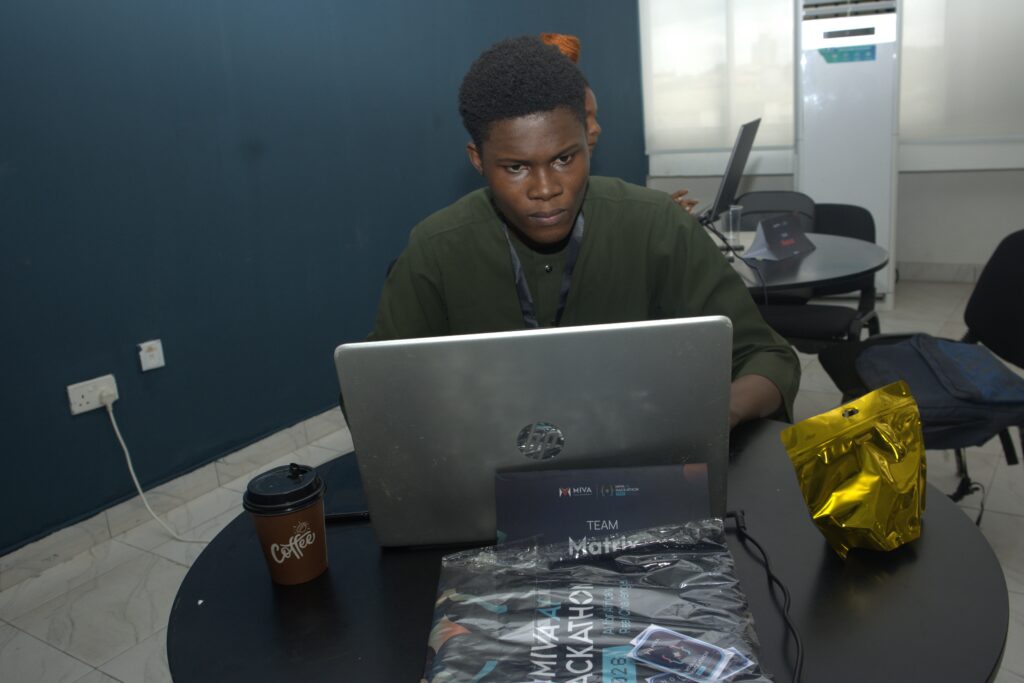
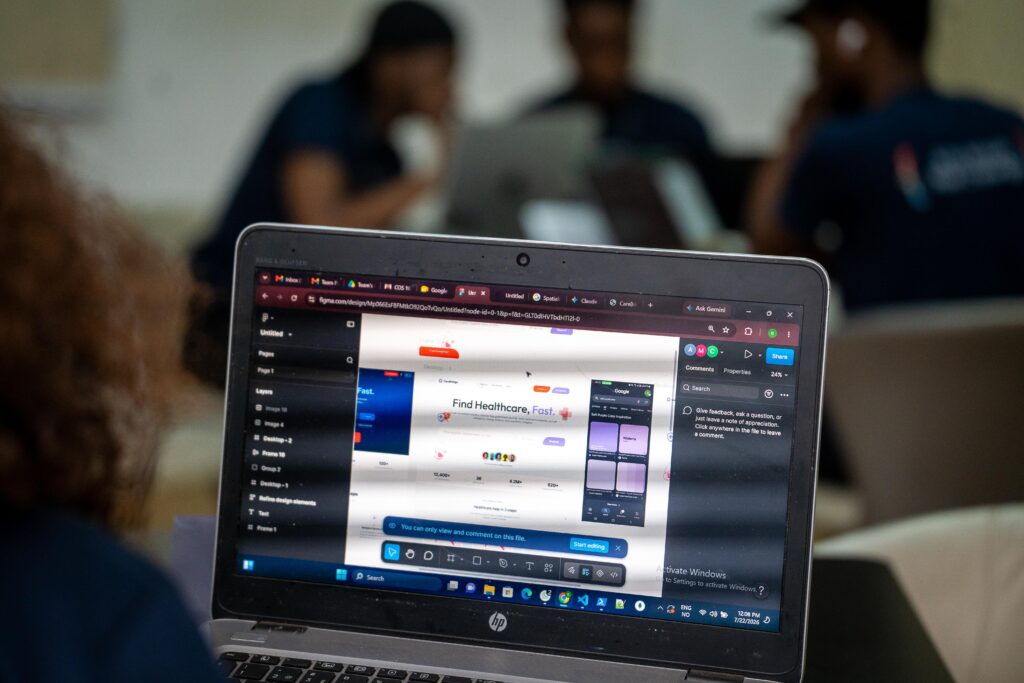
The team focused particularly on vulnerable groups, including pregnant women, children under five, older people, people with disabilities, and internally displaced persons.
SpatialCare allows users to ask questions about the healthcare they may be entitled to receive. The platform responds in plain language and supports Yoruba, Hausa, Igbo, Pidgin and English.
It also includes a facility finder that can direct users to nearby enrolled primary healthcare centres.
Behind the platform is the Google Gemini API and Retrieval-Augmented Generation (RAG). This allows the system to ground its responses in verified BHCPF information rather than relying only on general AI knowledge.
The project also looks beyond smartphones. The team proposed expanding access through USSD and SMS so that people without smartphones or reliable internet connections can use the service.
For SpatialCare, AI is not the end goal. The goal is helping people understand their healthcare rights and find the care available to them.
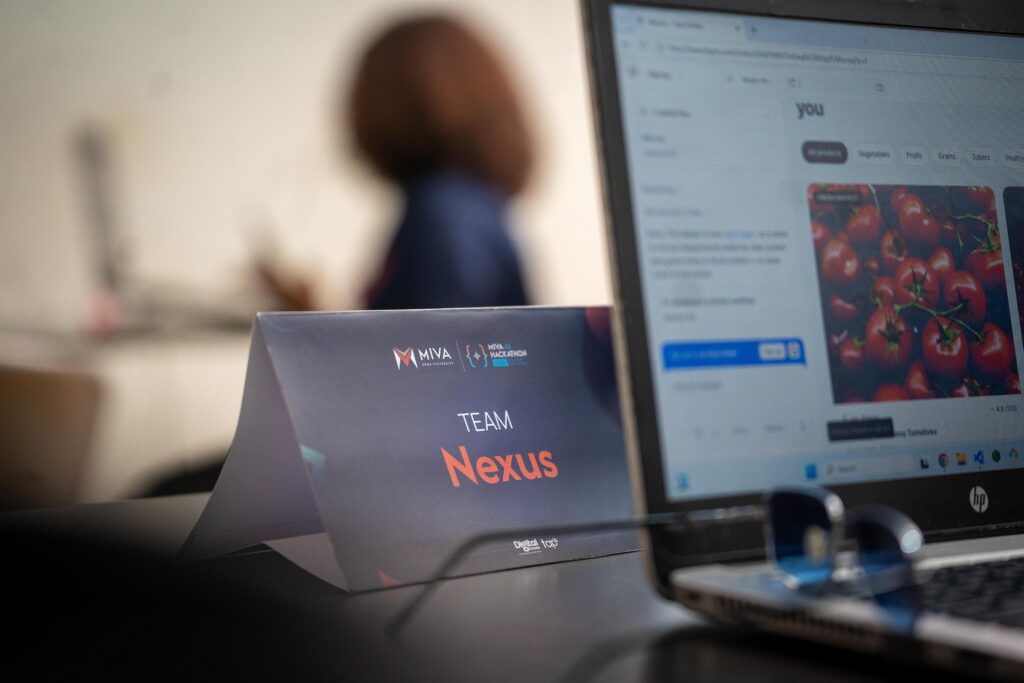
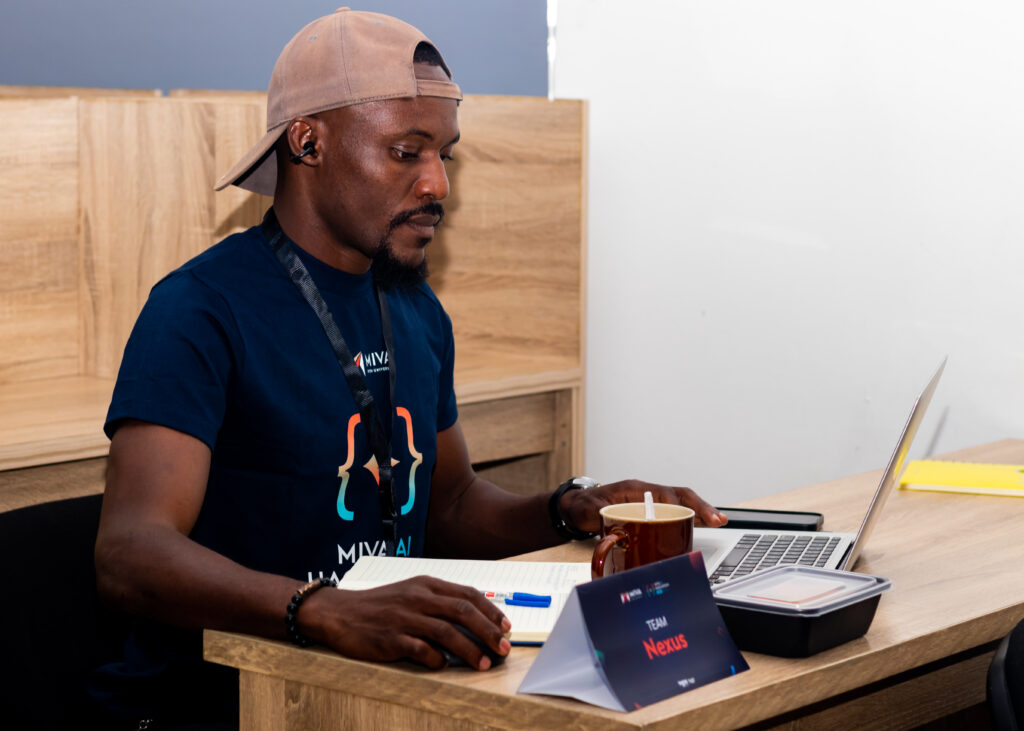
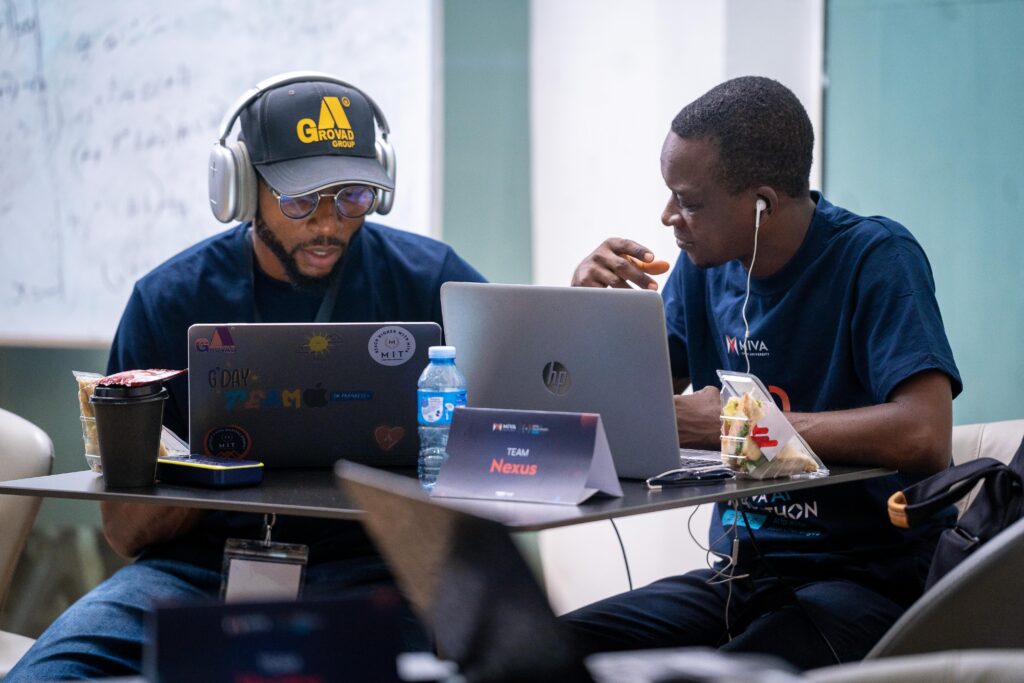
5. Team Nexus: Murraq
Team Nexus also looked to agriculture, but from a slightly different angle.
Their project, Murraq, is an AI-first agricultural intelligence platform that combines farming support with digital commerce.
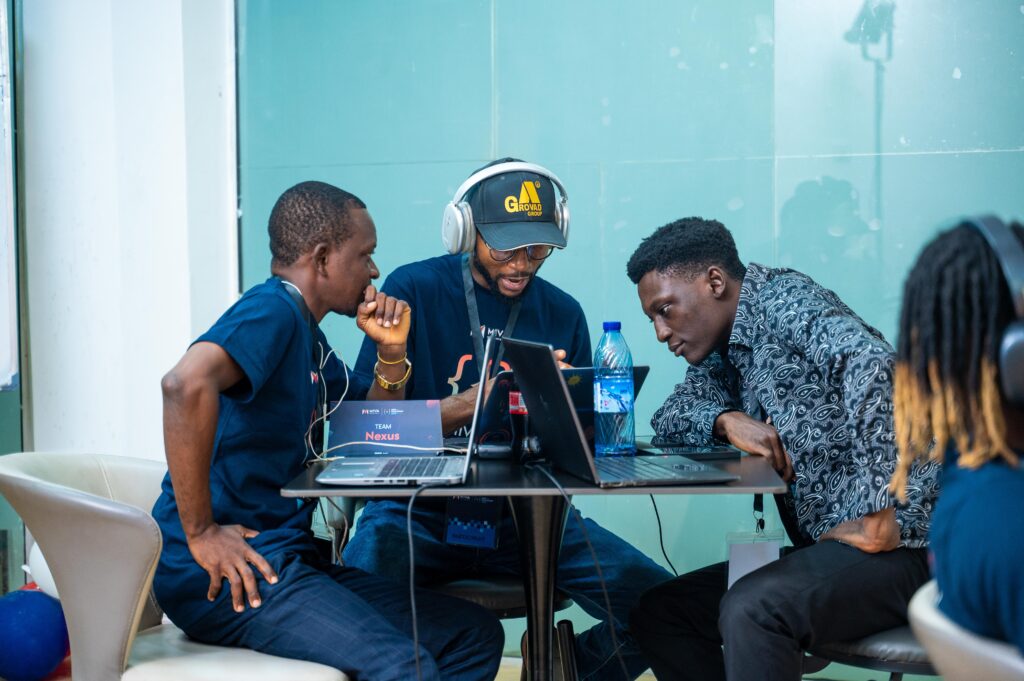
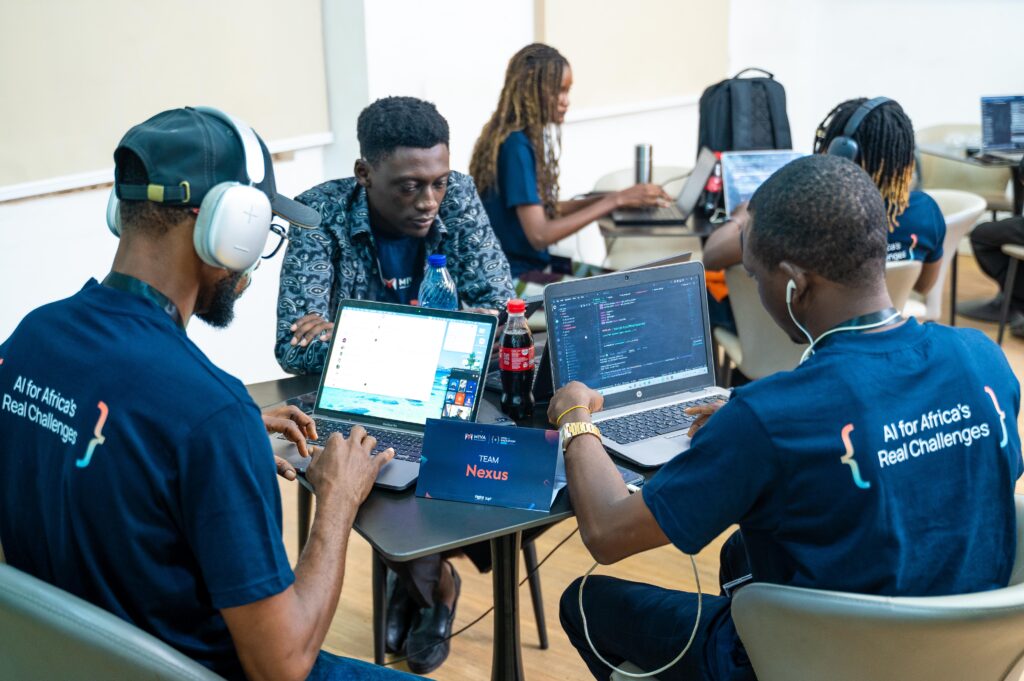
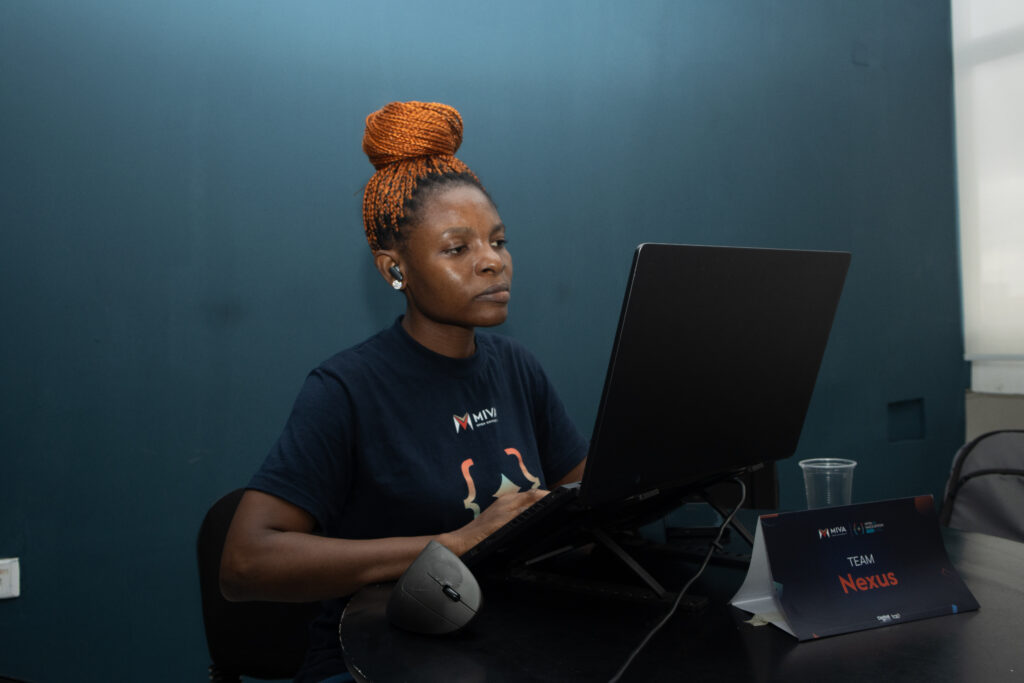
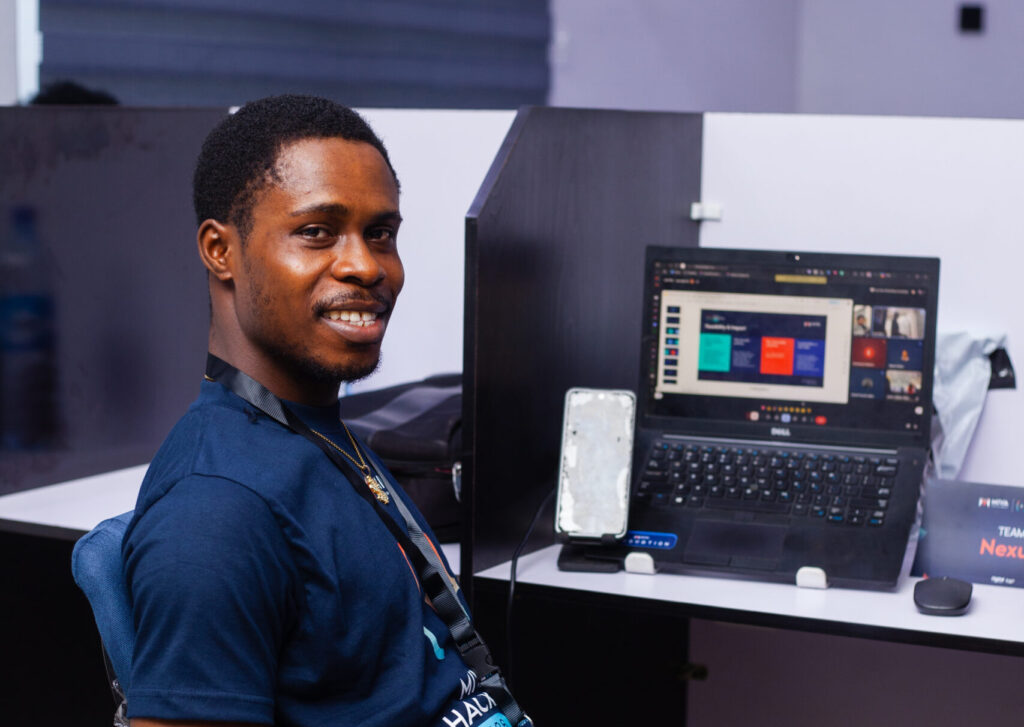
The team identified three connected challenges: farmers may struggle to access trusted agricultural information, make timely farming decisions, and find reliable markets for their products.
Murraq brings these functions together.
Farmers can use its AI tools to get farming support, list products on a digital marketplace and connect directly with customers. The platform combines Gemini AI, Retrieval-Augmented Generation (RAG), computer vision and recommendation models to support crop analysis, agricultural guidance, and product discovery.
Its prototype included an AI farming assistant, crop disease detection, trusted agricultural knowledge, AI-powered recommendations, and natural-language search.
The team also designed Murraq with expansion in mind, including plans for more local languages and partnerships that could help the platform reach farmers across Africa.
While OpenFarm focuses on supporting farmers throughout the crop cycle, Murraq puts additional emphasis on connecting farmers to markets.
Different Problems but One Clear Idea
The five projects at the Miva AI Hackathon 2026 were different, but they shared the important quality of solving real problems.
MedLink looked at waiting times and overloaded healthcare workers. SpatialCare tackled the gap between healthcare entitlements and public awareness. OpenFarm and Murraq explored different sides of agricultural productivity and access. Huzzler addressed the experience gap facing young professionals.
Together, they showed that AI does not have to mean building another chatbot or chasing the latest technology trend.
It can mean helping a doctor prioritise a patient. Helping a farmer identify a crop disease. Helping someone prove their skills. Or helping a citizen understand the healthcare available to them.
That was the central idea behind the Miva AI Hackathon 2026: build technology around real African problems.
The projects also reflected the lessons shared throughout the hackathon. Speakers and judges challenged participants to think beyond the technology itself, understand the people they were building for, and consider whether their solutions could work in real-world African conditions.
The results were worth seeing.
Team Vector’s MedLink took first place, Team Cipher’s OpenFarm came second, and Team Vertex’s Huzzler came third.
But perhaps the biggest takeaway was that the hackathon produced more than presentations.
It produced ideas that started with a question many African innovators should keep asking:
What problem can we solve with the technology we have today?